Who am I as a traveler, if I don’t hit a museum or two? Or four.
South Korea may not be as well-known for centering modern and contemporary art across Asia like Hong Kong or Tokyo, but the country’s unique history makes for thought-provoking exhibits and really good conversation.
From Goryeo celadon ceramics to ink folk paintings, global installations to tech-heavy exhibitions, Seoul has it all. And even though I mostly came for the art, each visit gave me a better understanding of SK’s history (especially in relation to their liberation) and modern culture.
For my solo trip, I planned to go to at least two museums and one special exhibit. I ended up having enough time and energy for much more than that (somehow). Here’s a rundown of my reviews and recommendations.
Art and Cultural Museums in South Korea
On the way to Seoul, I made a dedicated search of museums and galleries visited by Kim Namjoon (RM) of BTS. It was a fun way to narrow down my itinerary; otherwise I really would have gotten nothing done aside from museum-hopping and the occasional coffee.
I visited four museums:
- National Museum of Korea
- National Museum of Modern and Contemporary Art – Deoksugung Branch
- Leeum Museum of Art
- Seoul Museum of Art
National Museum of Korea
The National Museum of Korea showcases a wide and varied collection covering history, archeology, and culture.
This is the museum where I best got an appreciation of Korea’s traditional ceramics, folk art, and Buddhist roots. I also learned more about the country’s rich history, from the Gojoseon Period, Three Kingdoms, Goryeo, and finally Joseon (vaguely familiar from K-Drama shows).
National Museum of Korea
Website: https://www.museum.go.kr/
Admission is free except for special exhibitions
Open 9:30AM to 5:30PM on Monday, Tuesday, Thursday, Friday, Sunday
Open 9:30AM to 9PM on Wednesday and Saturday
An interesting thing I observed is their naming convention for important cultural artifacts. The iconic pensive bodhisattvas are cataloged as National Treasures No. 78 and 83. I don’t think we have such a rigorous catalog system for artifacts here in the Philippines. It reflects a level of pride and investment in historical scholarship that I find admirable.
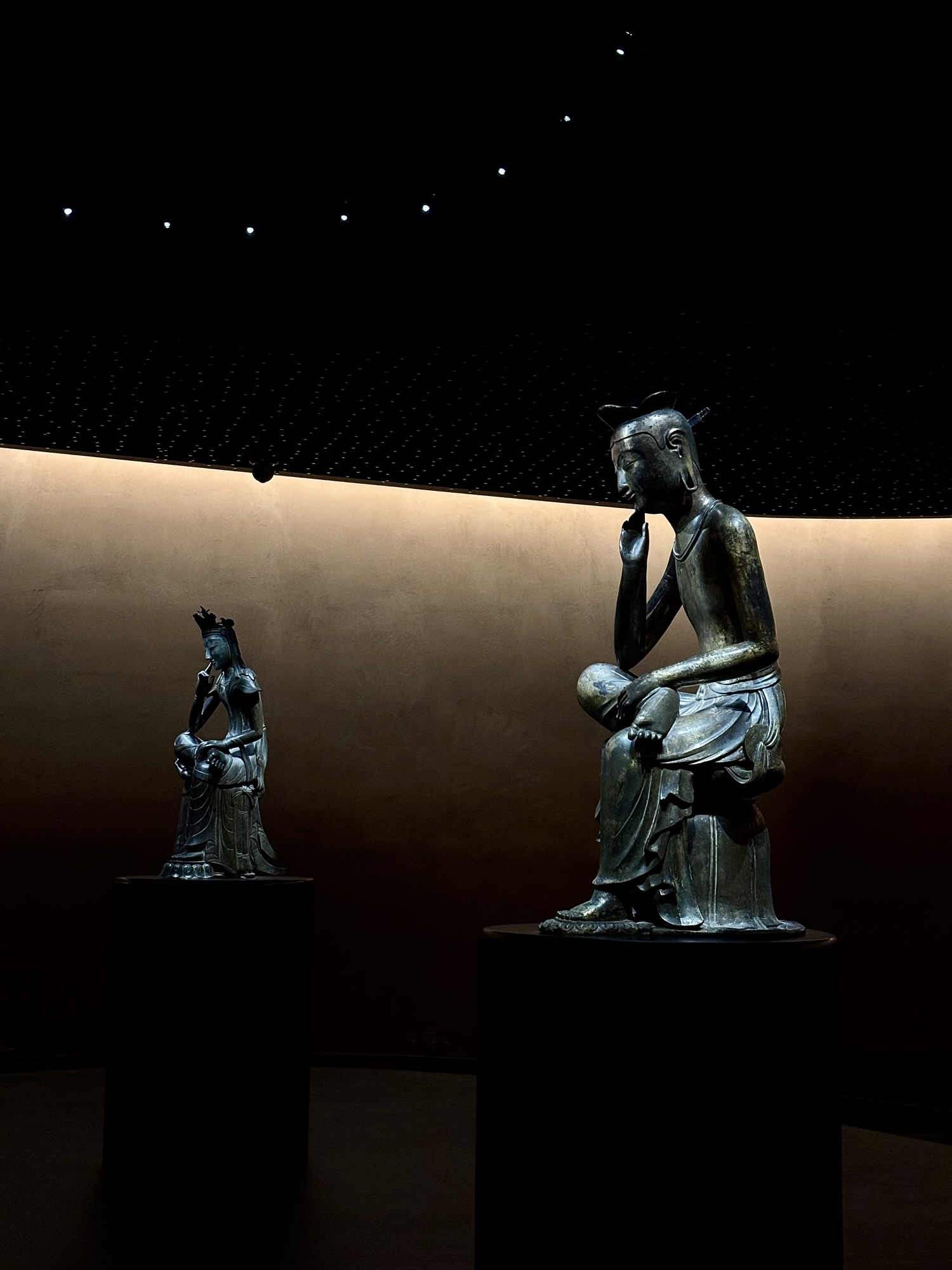
Bonus: RM of BTS is known to have several miniature versions of this iconic image from this museum. As a fan and amateur collector, I took home my own cute souvenir from MU:DS, specifically the Pensive Bodhisattva Heart Series in green, which also happens to commemorate the 20th anniversary of the museum’s relocation to its current location. It’s still one of the best purchases I’ve made during that trip. I now have a little serene corner of similar miniatures for meditation.
.
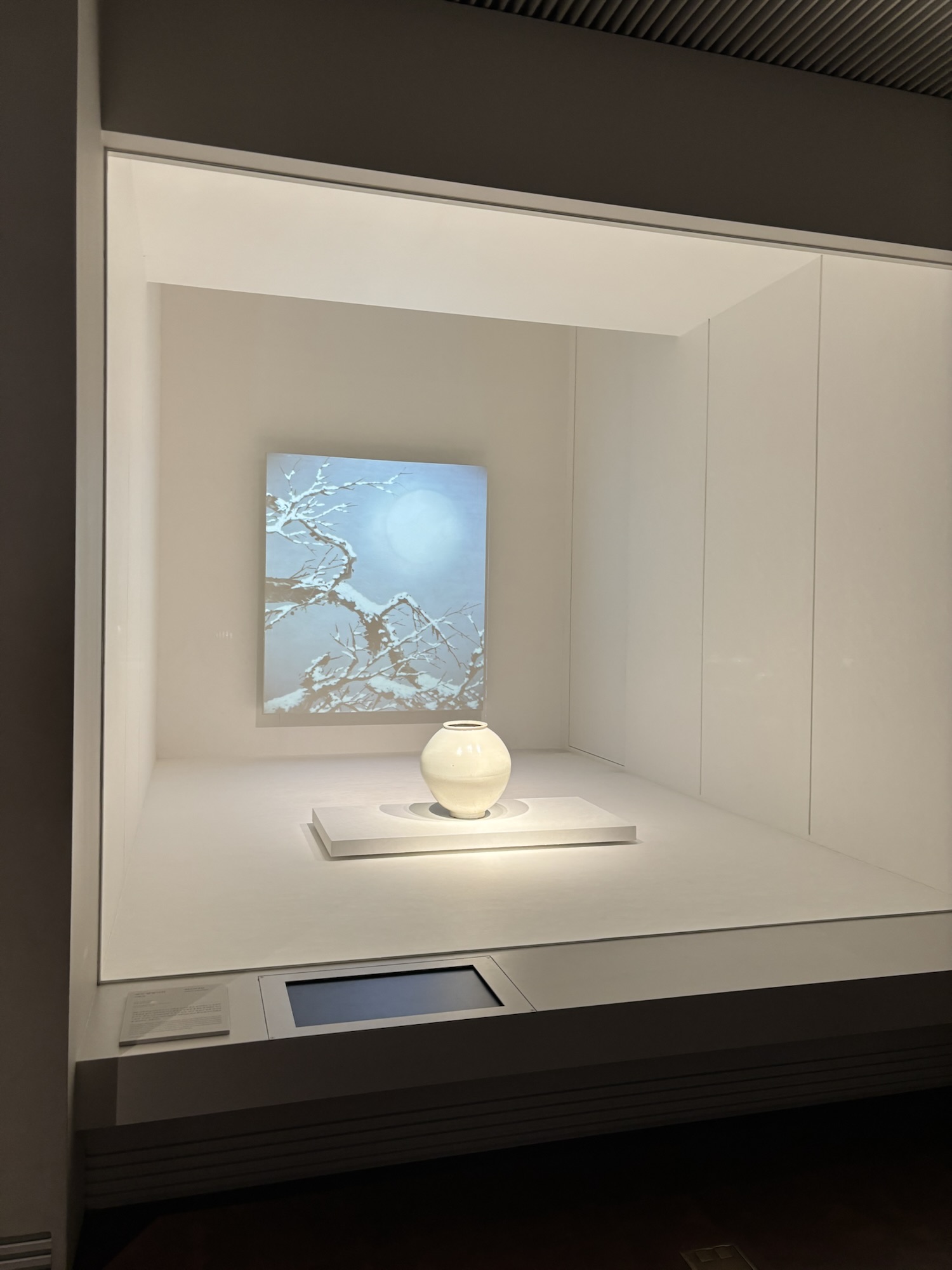
Korea is known for Goryeo Celadon, a type of jade-green glazed stoneware which combines technique and more complex artistry. White Porcelain, on the other hand, were produced more during the Joseon Dynasty, and celebrated the ideals of simplicity and purity.
.
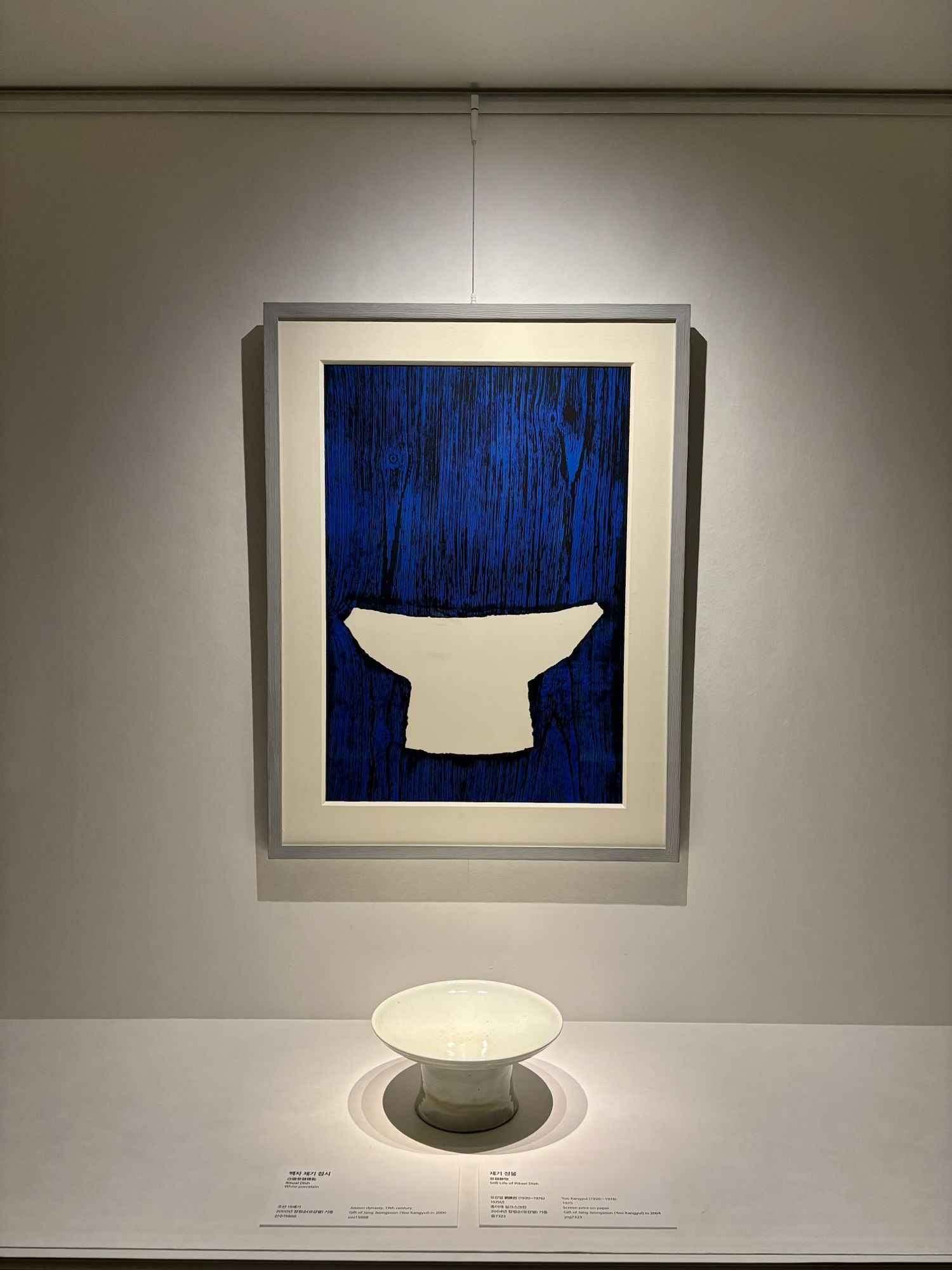
Art inspires art.
.
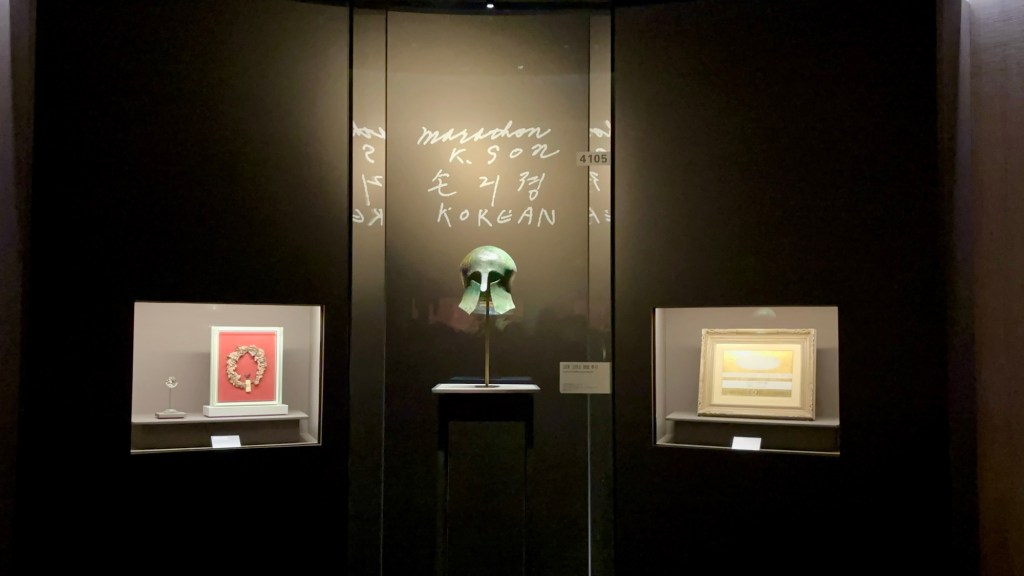
One of the temporary exhibitions made me a little teary-eyed: “The Radiant Strides, Moving the World” featured the athlete Son Kee Chung (1912-2002), who won gold at the 1936 Berlin Summer Olympics. In line with overall theme of liberation from Japan, the exhibition highlights one of the more controversial stories in his career, when Son was introduced first as a Japanese runner and forced to compete wearing the Japanese flag.
.
Aside from artifacts and historical exhibitions, I was also surprised (and a little envious) that the National Museum of Korea also has a major long-term special exhibition of artifacts and classical works from Ancient Greece and Rome. Can you imagine if we can do that here in the Philippines? Instead of reading about the shared human heritage of antiquity through books, our students can actually see pieces in real life! And that’s not limited to western antiquity, of course…
National Museum of Modern and Contemporary Art (MMCA) Deoksugung
The MMCA Deoksugung is a fairly small museum dedicated to early modern Korean art, calligraphy and literature. There are other branches which I still want to visit someday.
National Museum of Modern and Contemporary Art (MMCA) Korea – Deoksugung
Website: http://mmca.go.kr/
Admission fees vary depending on exhibition
Open 10AM to 6PM on Tuesday, Thursday, Friday and Saturday
Open 10AM to 9PM on Wednesday and Saturday
Closed on Mondays
Free admission every Last Wednesday of the month (Culture Day)
I caught the staging of “A Commemorative Exhibition for the 80th Anniversary of Liberation: Landscapes of Homeland and Longing”, which ran from August 2025 to February 2026.
Several pieces were displayed alongside Korean poetry, which eventually inspired me to get an anthology of classic to contemporary Korean poems (I still haven’t finished the book).
Many paintings featured red soil against blue skies. The motif captures the idea of home for many Koreans. The works raise sociopolitical awareness regarding the history and impact of the Korean War, and also the Japanese occupation even before that.
As modern pieces, many of the works also combined western post-modern motifs with the Korean painting tradition and subject.
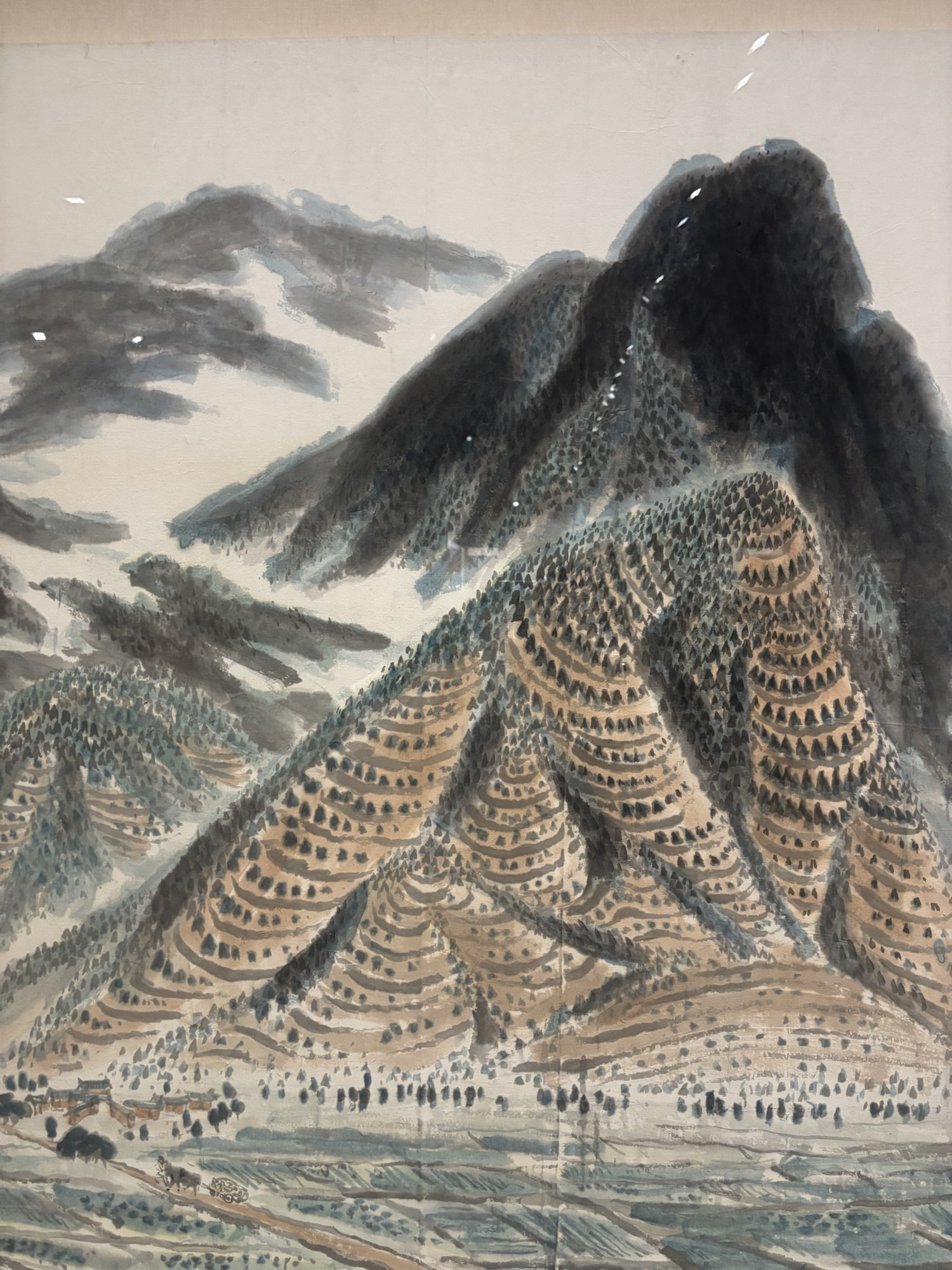
I also first heard of Lee Ungno from RM of BTS.
.
I found this a small yet effective exhibit well worth the measly KRW2000 admission that I paid.
Leeum Museum of Art
Leeum Museum of Art is a private art museum in Hannam-dong, Yongsan District, managed by the Samsung Foundation of Culture. It houses traditional Korean art and contemporary works in an impeccably-designed series of buildings.
Leeum Museum of Art
Website: https://www.leeumhoam.org/leeum
All Exhibitions Pass cost KRW25,000
Open 10AM to 6PM from Tuesday to Sunday (closed on Monday and select holidays)
After walking through Hannam-dong and stopping by the MLB Flagship Store (and also enjoying kimchi fried rice at Parc Seoul), I headed over to Leeum Museum of Art, one of the most well-rated museums in South Korea.
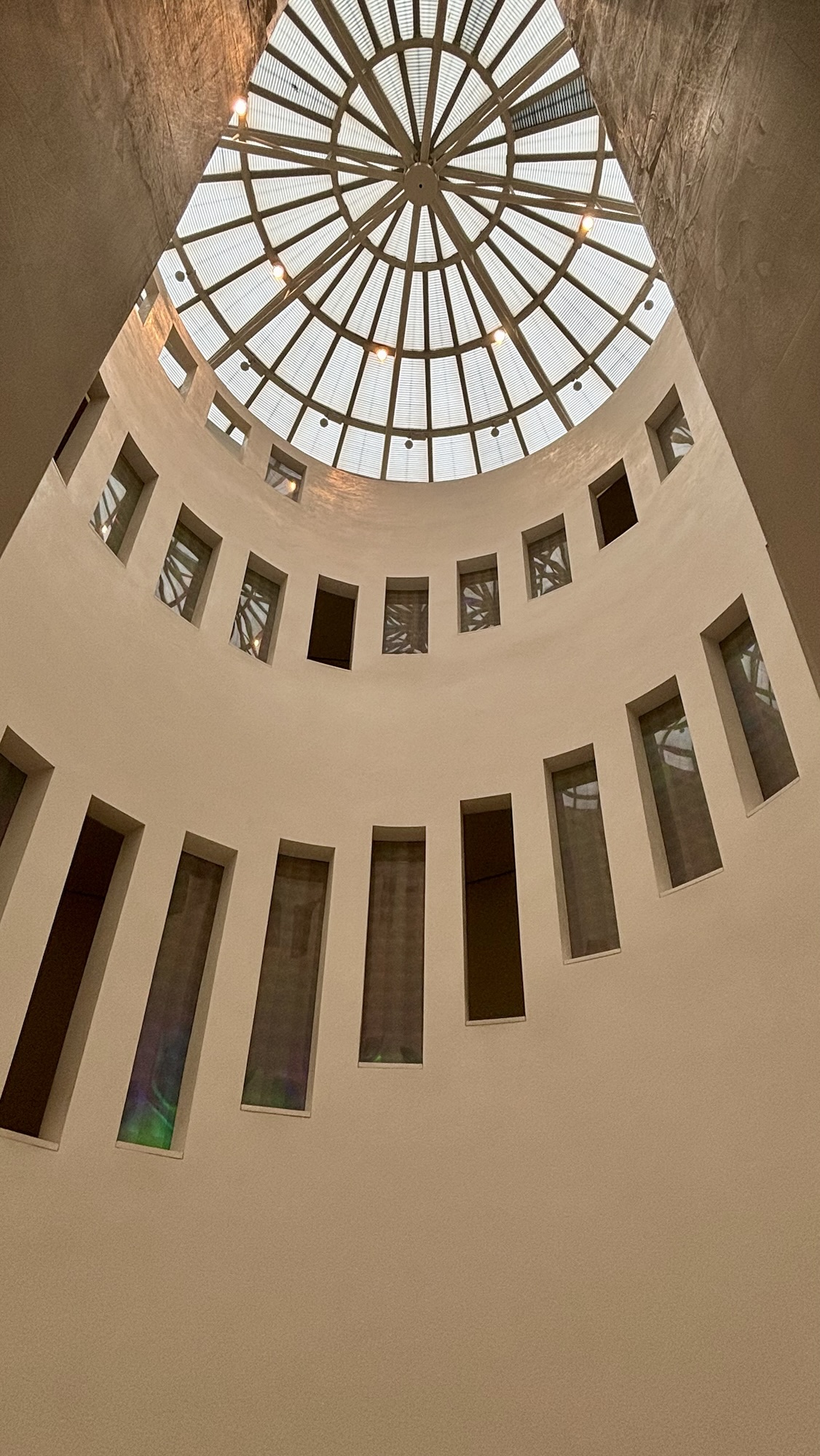
The art is housed in art. Museum 1 was designed by Swiss architect Mario Botta; the interiors were cool and dark, which served as the perfect home for the museum’s collection of traditional art. Museum 2 was a light-filled modern building designed by French architect Jean Nouvel, which explores the more modern and contemporary pieces. The central rotunda greets museum visitors with Kimsooja’s To Breathe, an immersive art installation. Museum 3, which I didn’t visit, was designed by Dutch architect Rem Koolhaas.
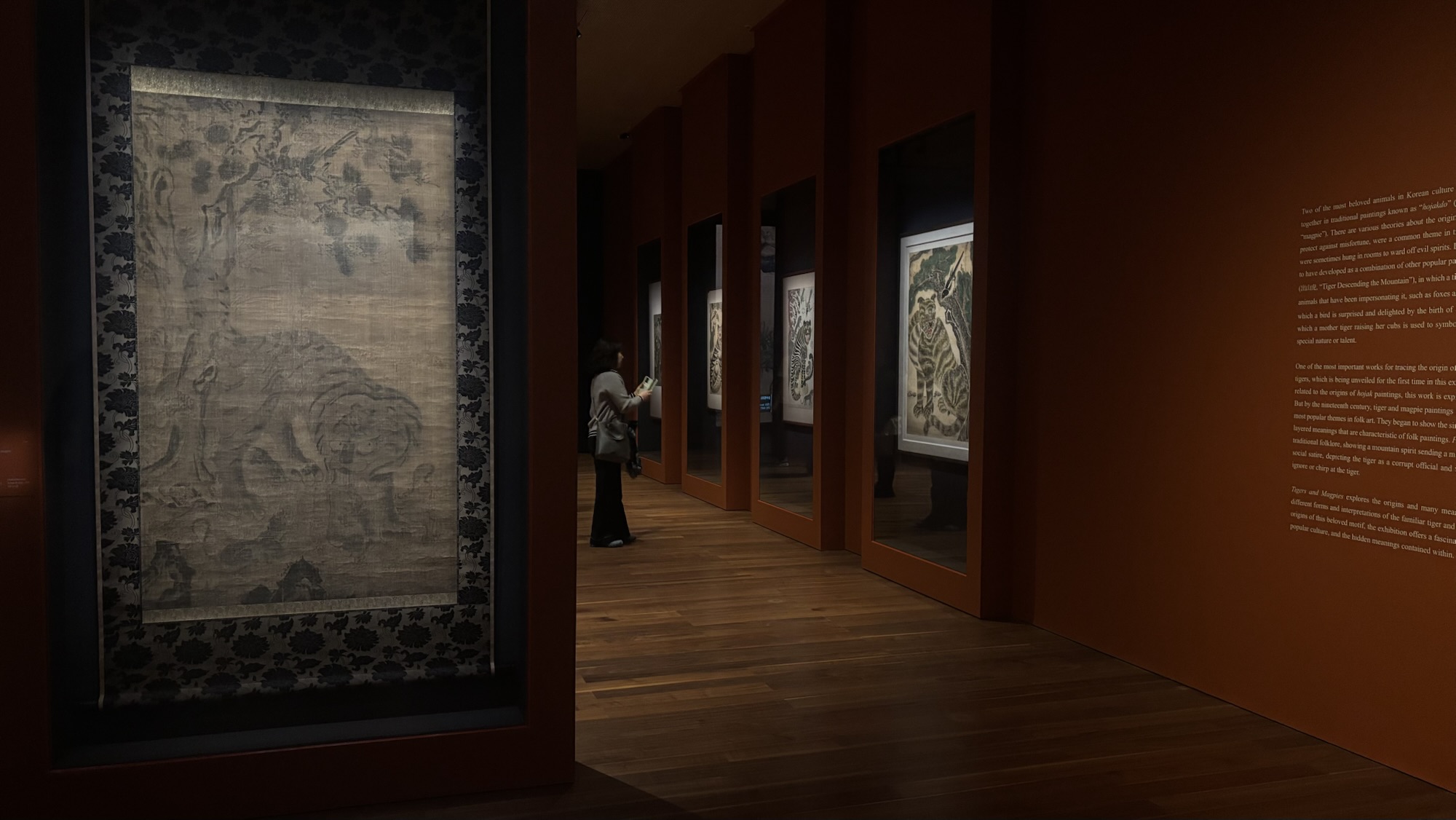
So the story goes: the mountain spirit and guardian tiger (ho) wards off evil and bad luck, but for some reason is often shown cross-eyed and a little goofy. The magpie (jak) is a bearer of good news. Aside from being reimagined for satire or politics, the jakhodo motif was also familiar to me from Netflix’s Kpop Demon Hunters.
.
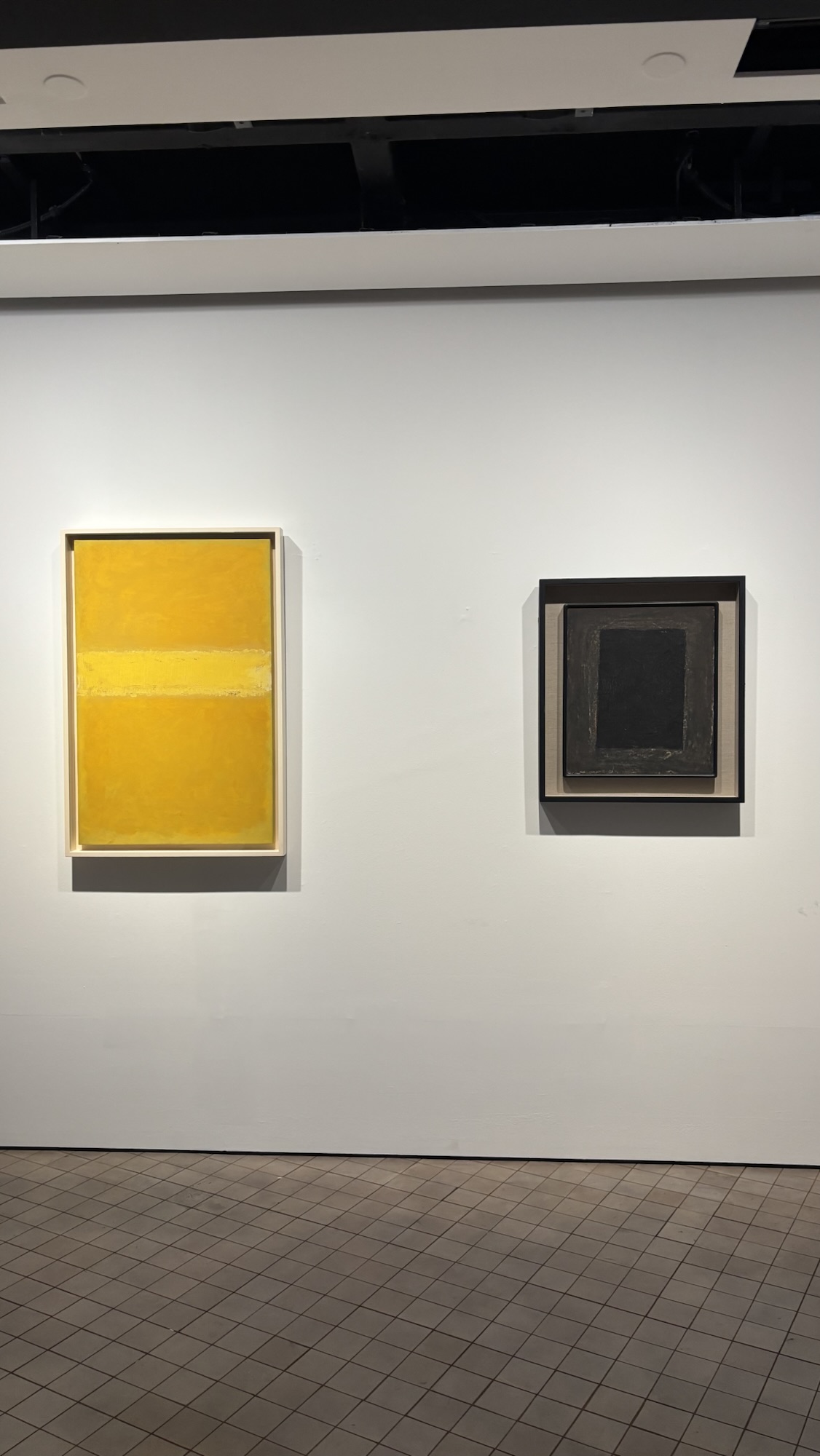
Left: Mark Rothko. Untitled, 1968.
Right: Chang Uc-chin. Untitled, 1964.
.
I got to catch the inaugural staging of the exhibit LEE BUL: From 1998 to Now, which has since travelled to Hong Kong and now to Belgium. Once again I felt incredibly lucky to see firsthand the works of such an influential South Korean artist. Much of the meaning might have escaped me, but even with just a glance, you can appreciate her interdisciplinary works and their suggestions on changing society, (women-centered politics), and modern humanity as a whole.
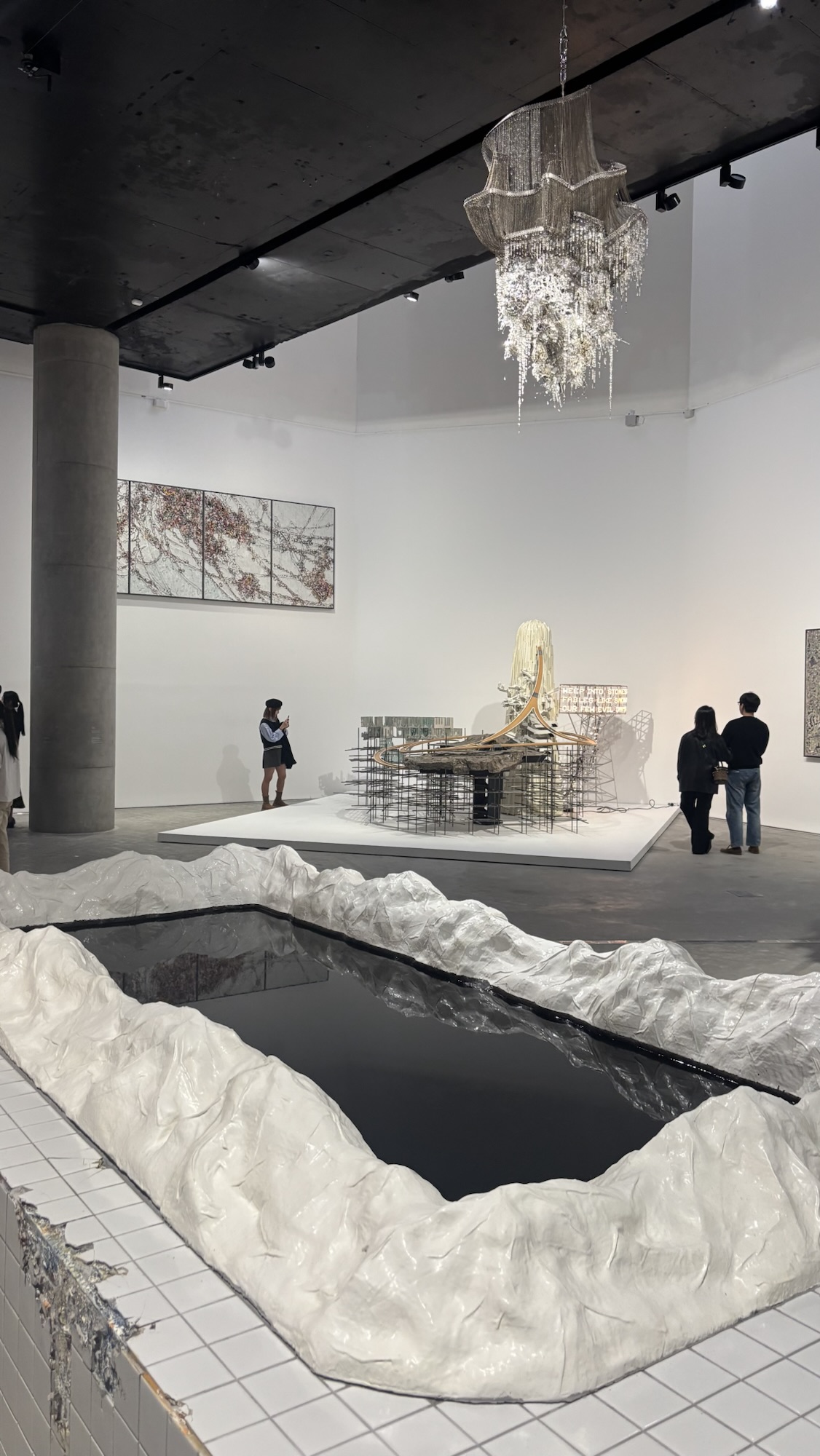
Background: Lee Bul. Mon grand récit: Weep into stones, 2005.
.
If you have only a limited amount of time to get to know the modern Seoul art scene, and even traditional Korean art in general, Leeum Museum of Art stands out as the best choice. Would definitely recommend!
Seoul Museum of Art
The Seoul Museum of Art is a fairly small and accessible modern and contemporary art exhibit which hosts a variety of community-oriented programs such as exhibitions, screenings, educational outreach, and more.
Seoul Museum of Art
Website: https://sema.seoul.go.kr/en/index
Free admission, except for special exhibitions
Open 10AM to 8PM on Tuesday to Thursday, 10AM to 9PM on Friday
Open 10AM to 6PM or 7PM on Weekends and Public Holidays
Without any planning ahead whatsoever, I caught the tail end of a uniquely collaborative international exhibit: the 13th Seoul Mediacity Biennale, which ran from August to November 2025. With the theme “Séance: Technology of the Spirit”, the pieces were heavy on critique through multimedia installations and experiential displays. The displays raised important questions on the impact of modern art and new technological media on the “soul”.
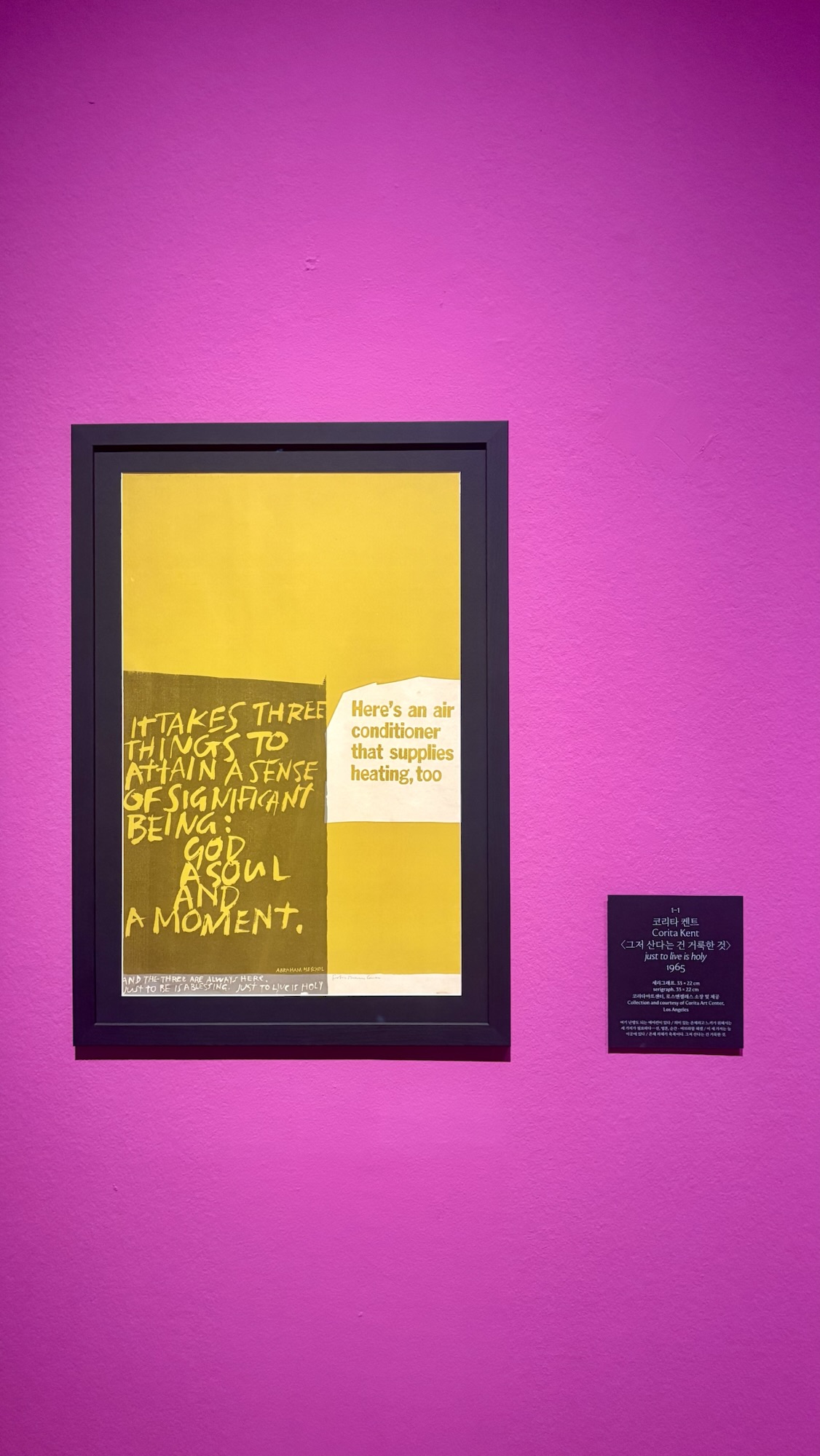
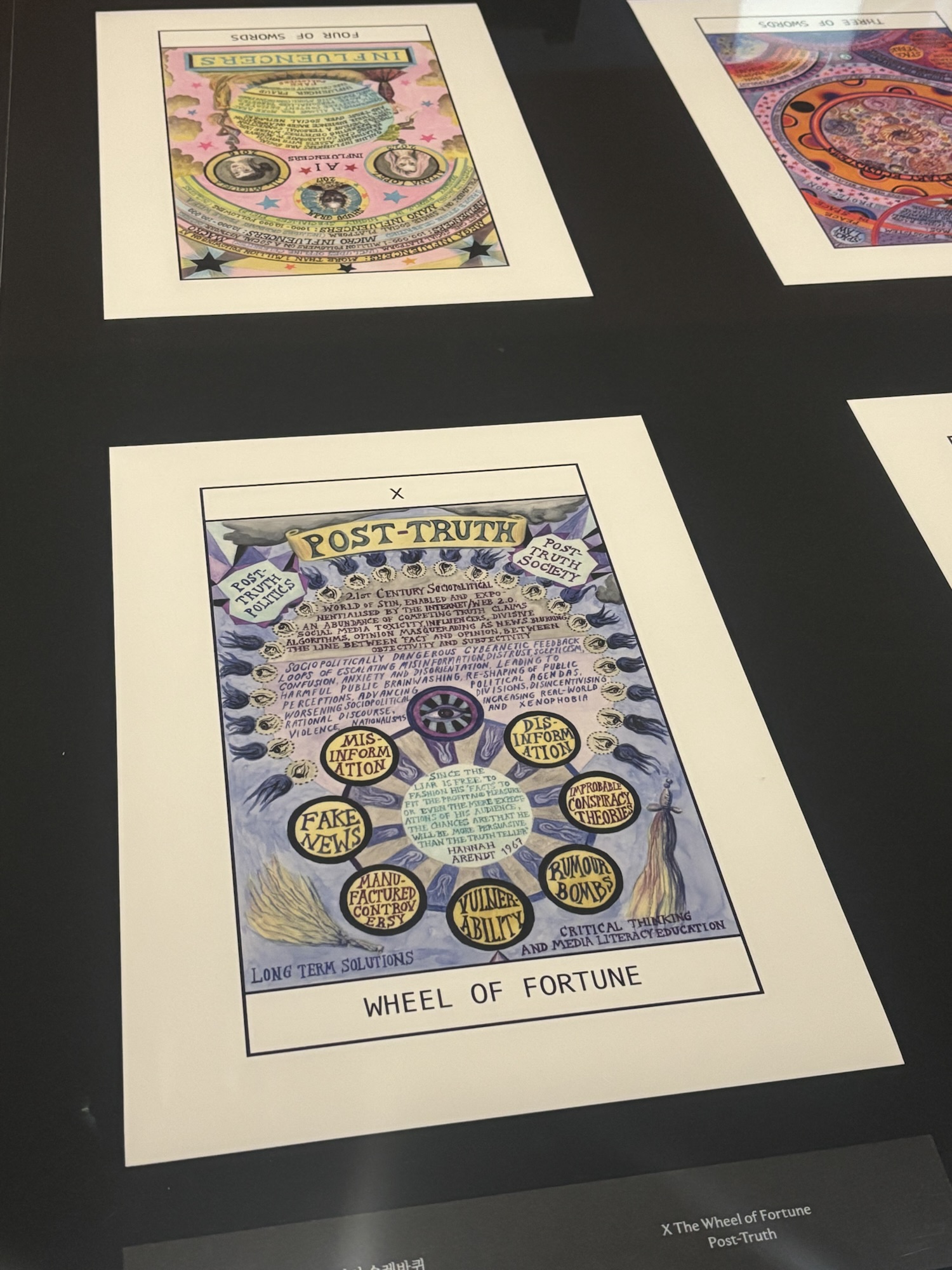
SeMa is within walking distance of Deoksugung Palace, and it was a fairly small museum. Outside of the biennale, which is rare enough to be worth the visit, I’m not sure if I’ll put SeMa on my must-see list.
Special Art Exhibits Across Seoul 2025
By chance and by design, I had the opportunity to visit two more special exhibits in Seoul last year. There’s something so filling to the soul when 1) beautiful things appear to be appreciated, and 2) the stars align to get your eyes to the right space and time.
Fragments of Ground, Blooming – Yedamgo
There’s comfort in the idea of nature finding and fighting its way through the concrete (if any Haikyu!! fans here understand the reference, vibe with me). That resilience is a type of enduring, evergreen beauty.
Fragments of Earth, Blooming 땅의 조각, 피어나다 (or Fragments of Ground, Blooming) was a special contemporary art exhibition centering on the collection of Yedamgo. The different installations gave new life to excavated fragments and archeological artifacts, turning their fading mundanity to something exciting and beautiful.
Relics unearthed from the ground are traces of time passed and the memories of our culture… The life of relics revived here reveals both the continuity and contemporary value of our heritage.
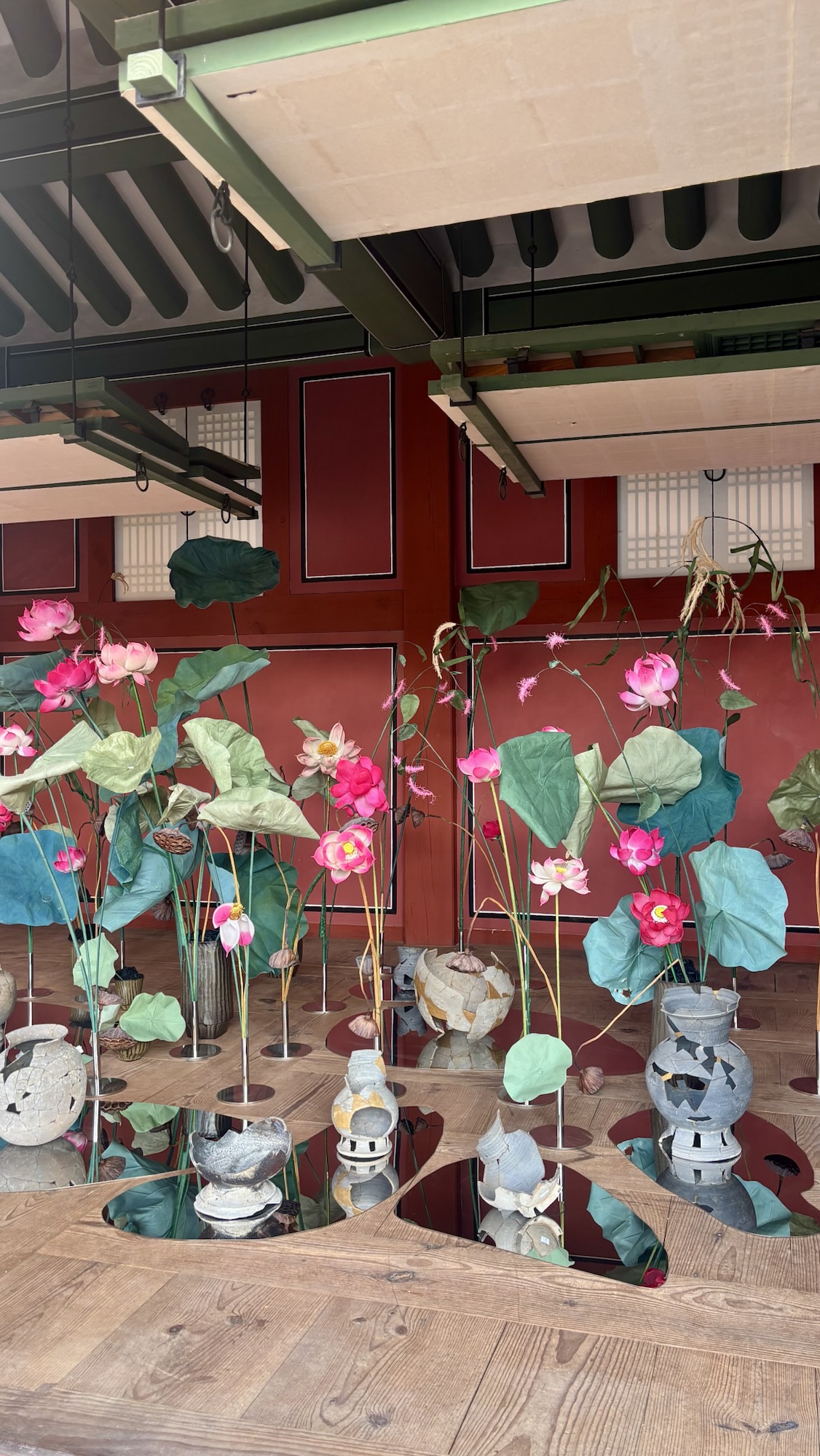
.
I think I saw this on my first day in Seoul. I just stepped into Deoksugung Palace to take some nice photos and relax, and was greeted with a free public preservation initiative.
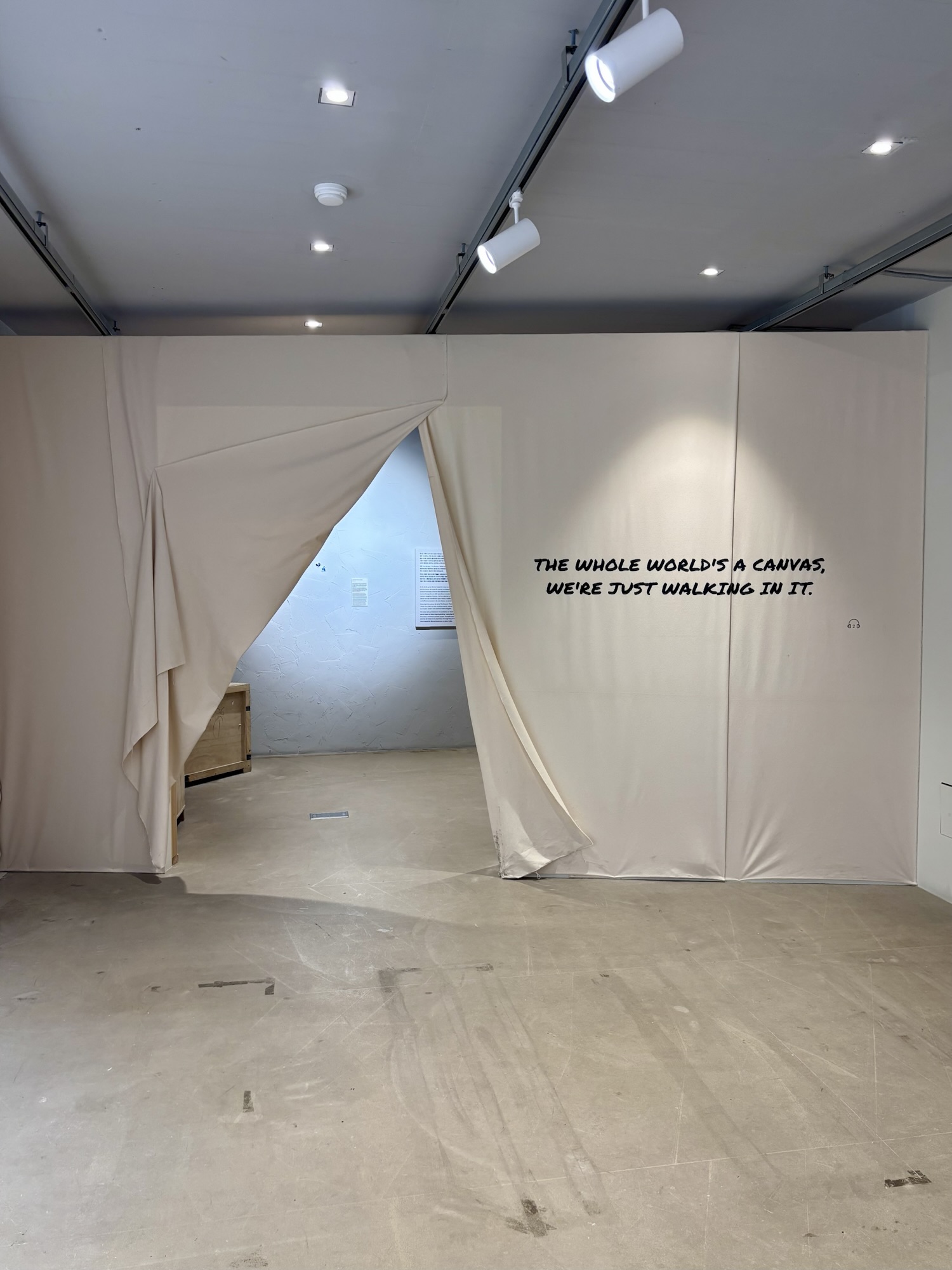
The Whole World’s a Canvas – Werner Bronkhorst
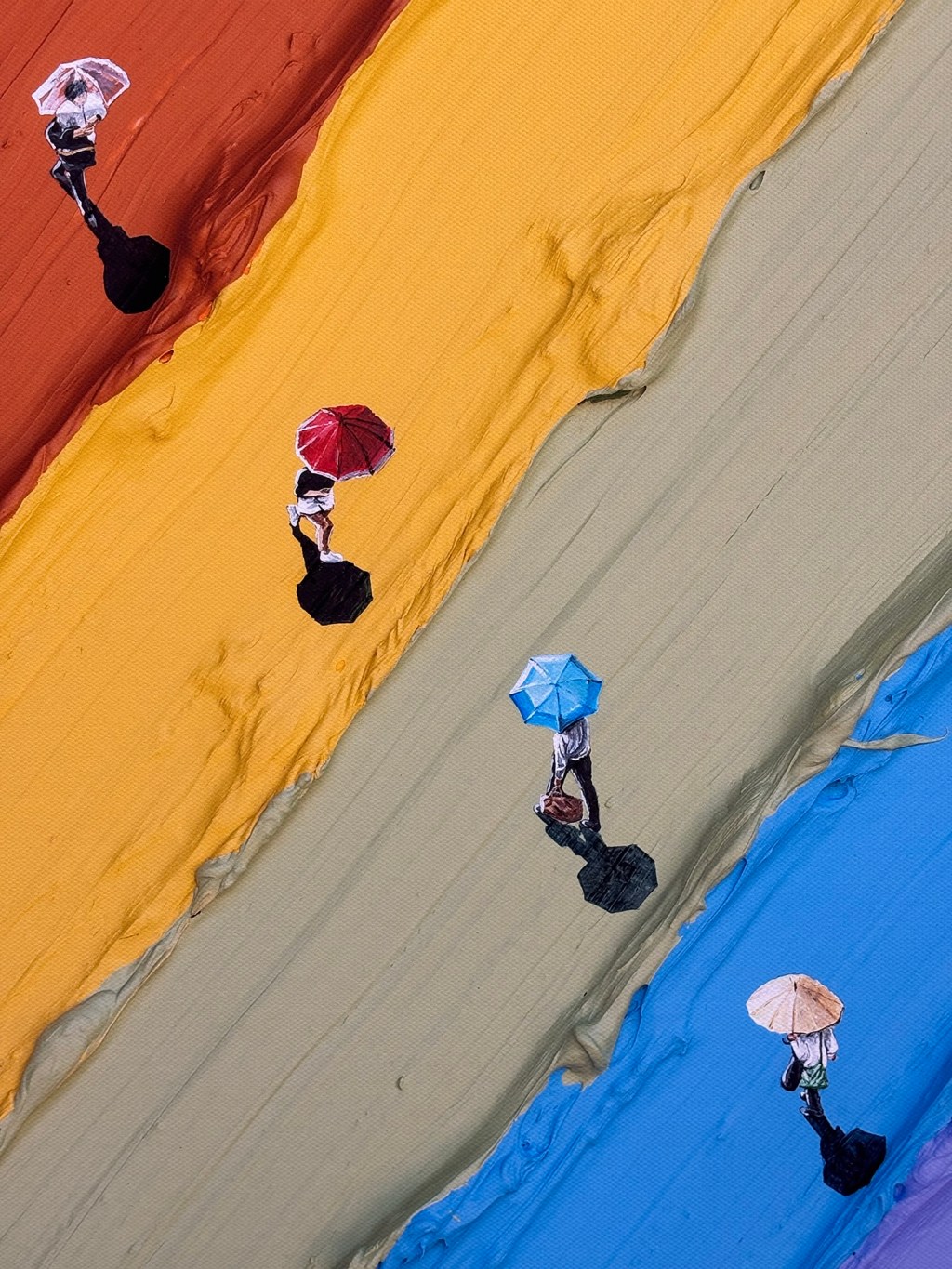
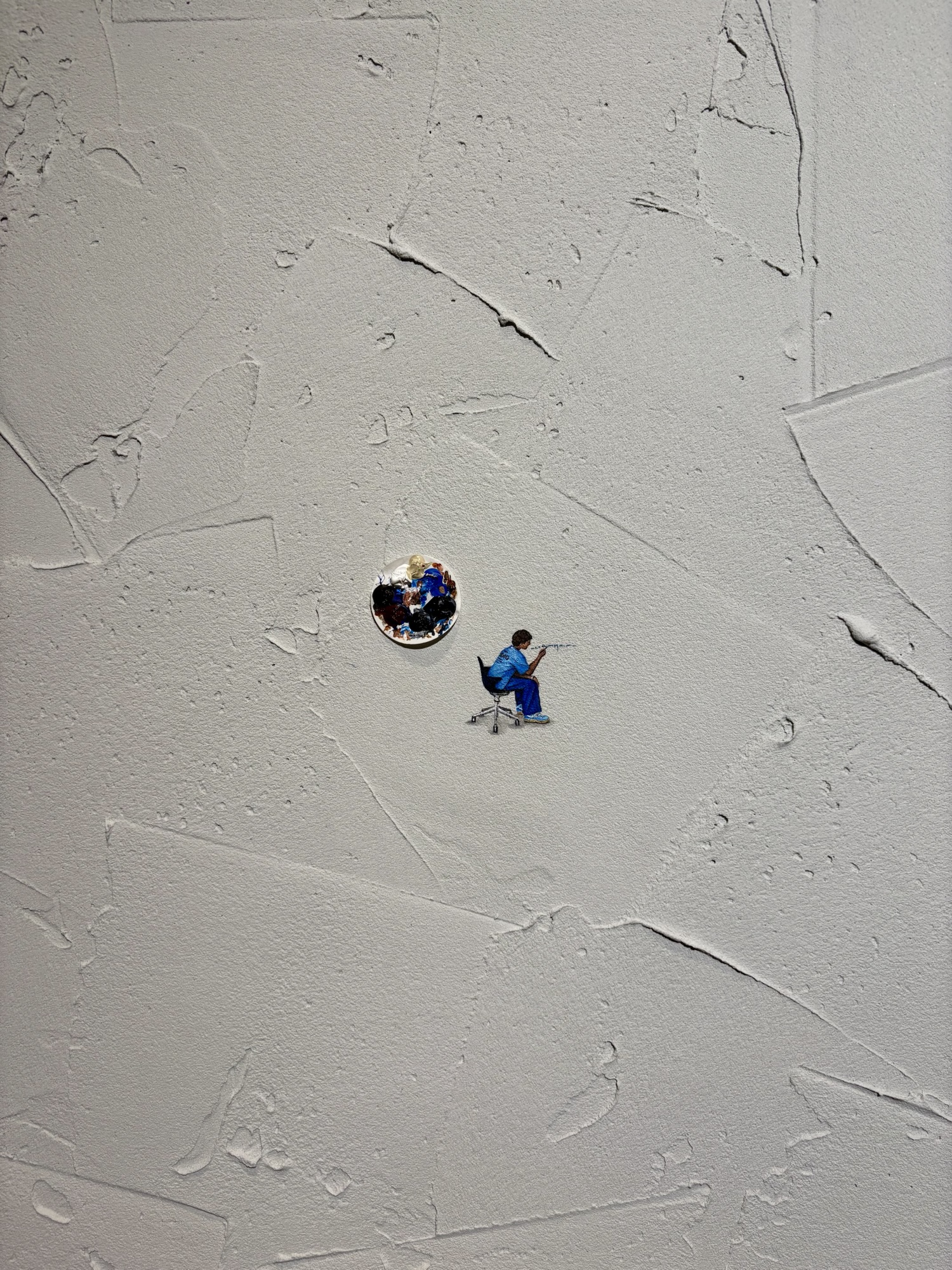
I’ve been following the artist Werner Bronkhorst for several years now. I find him to be one of best contemporary artists right now in sculptural painting, and he became very popular due to his hyperrealistic miniature subjects (a genre or style of painting that has become very popular in general). His brand is sometimes very commercial or marketable –which is probably how I found him on my feed at some point– but profit and art don’t need to contradict. It can be enjoyable.
“The Whole World’s a Canvas” was a colorful and immersive multi-story exhibition held in Groundseesaw Seochon from August 2025 to February 2026. Finding my way to the gallery, then leaving several pounds heavier with exclusive exhibit merch, made for a fun adventure for my last day in Seoul.
.
.
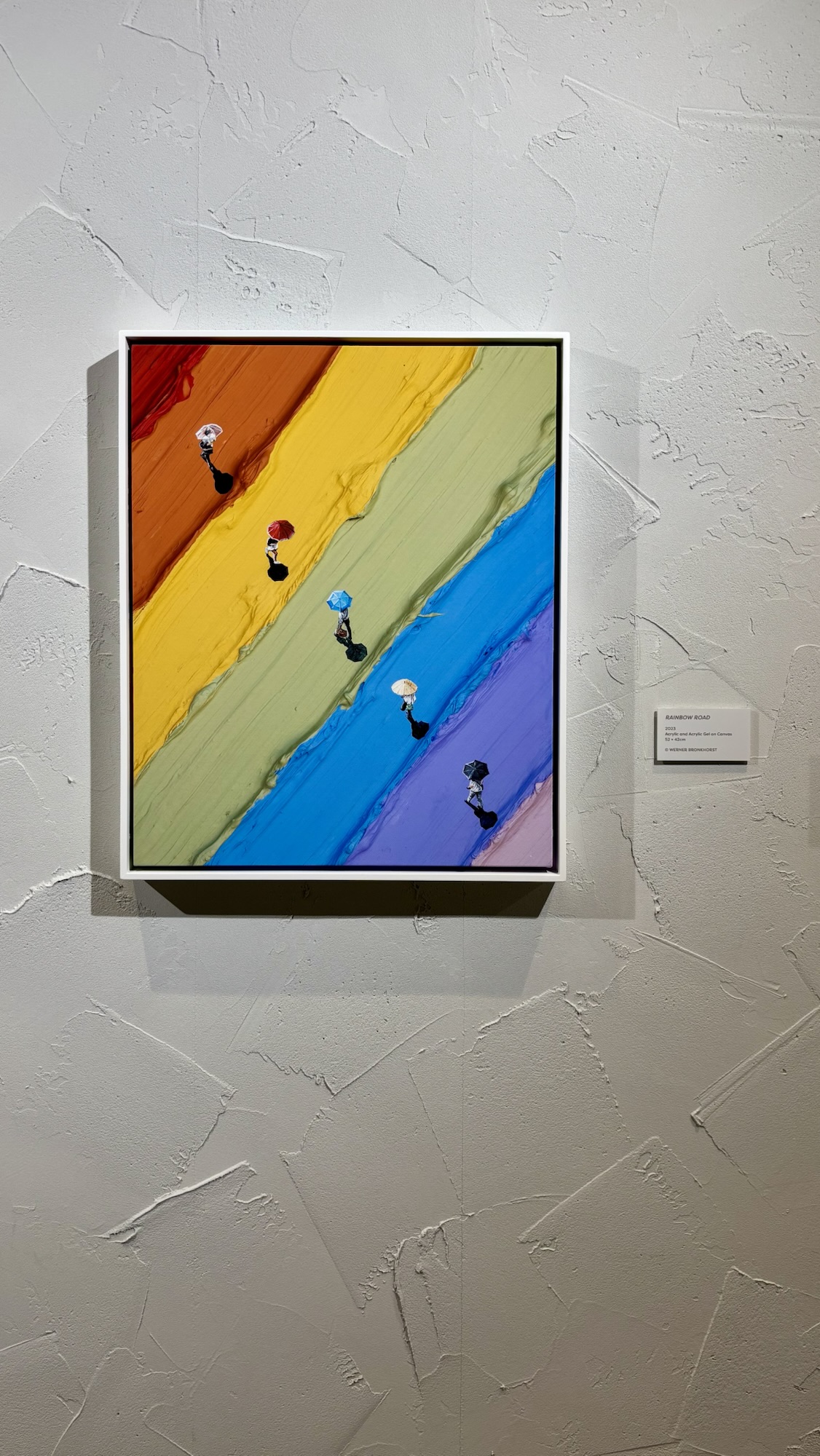
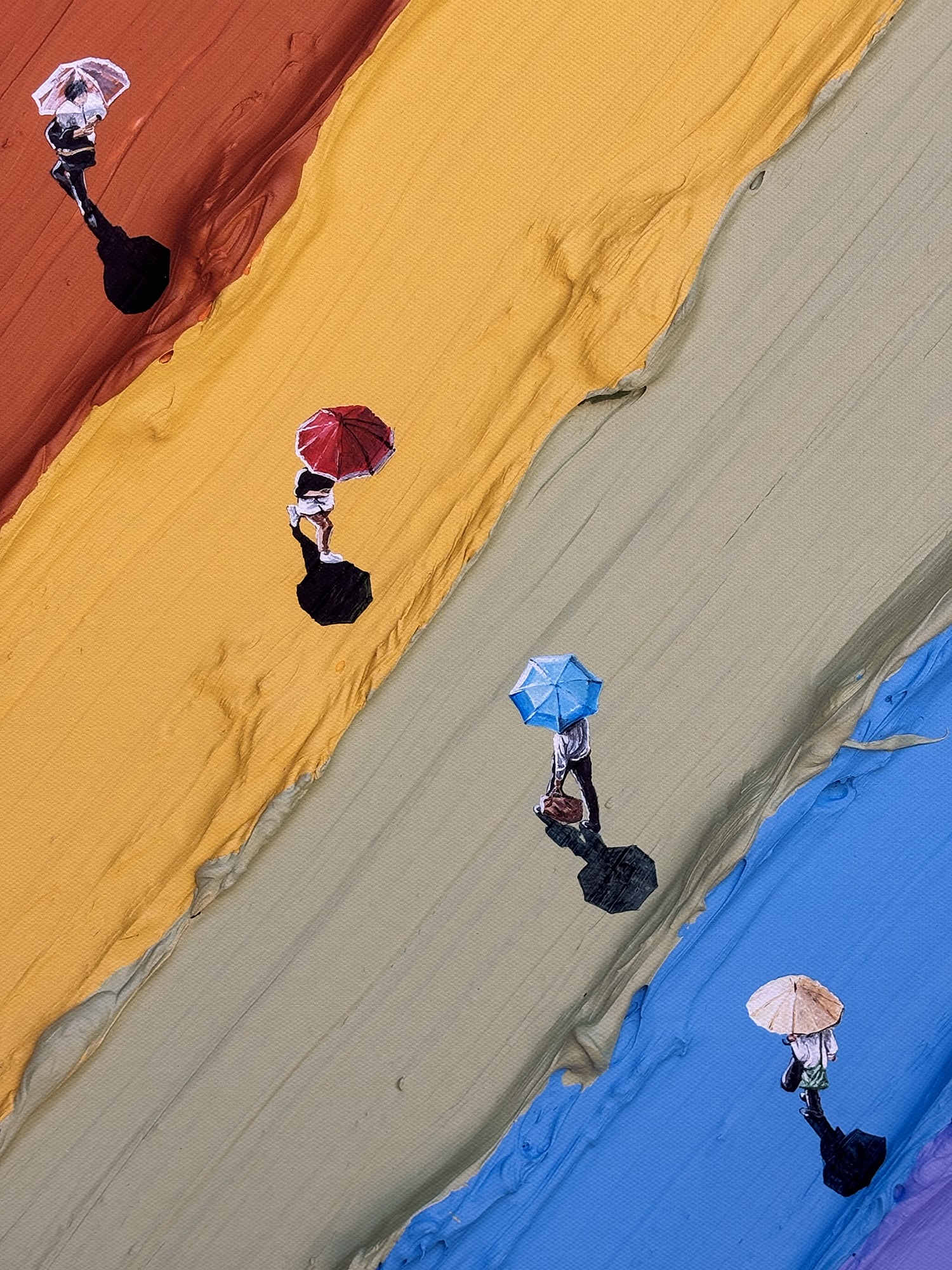
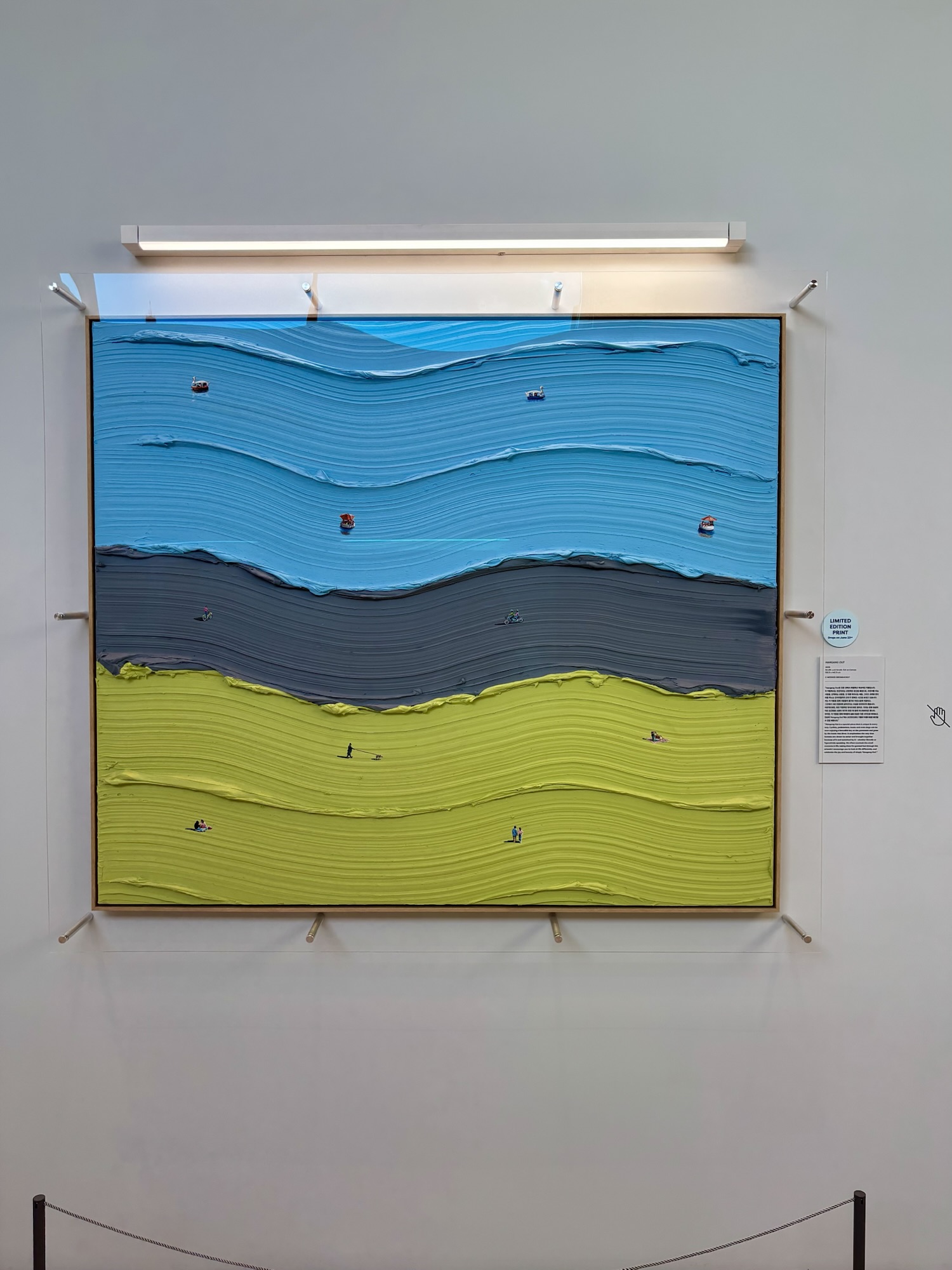
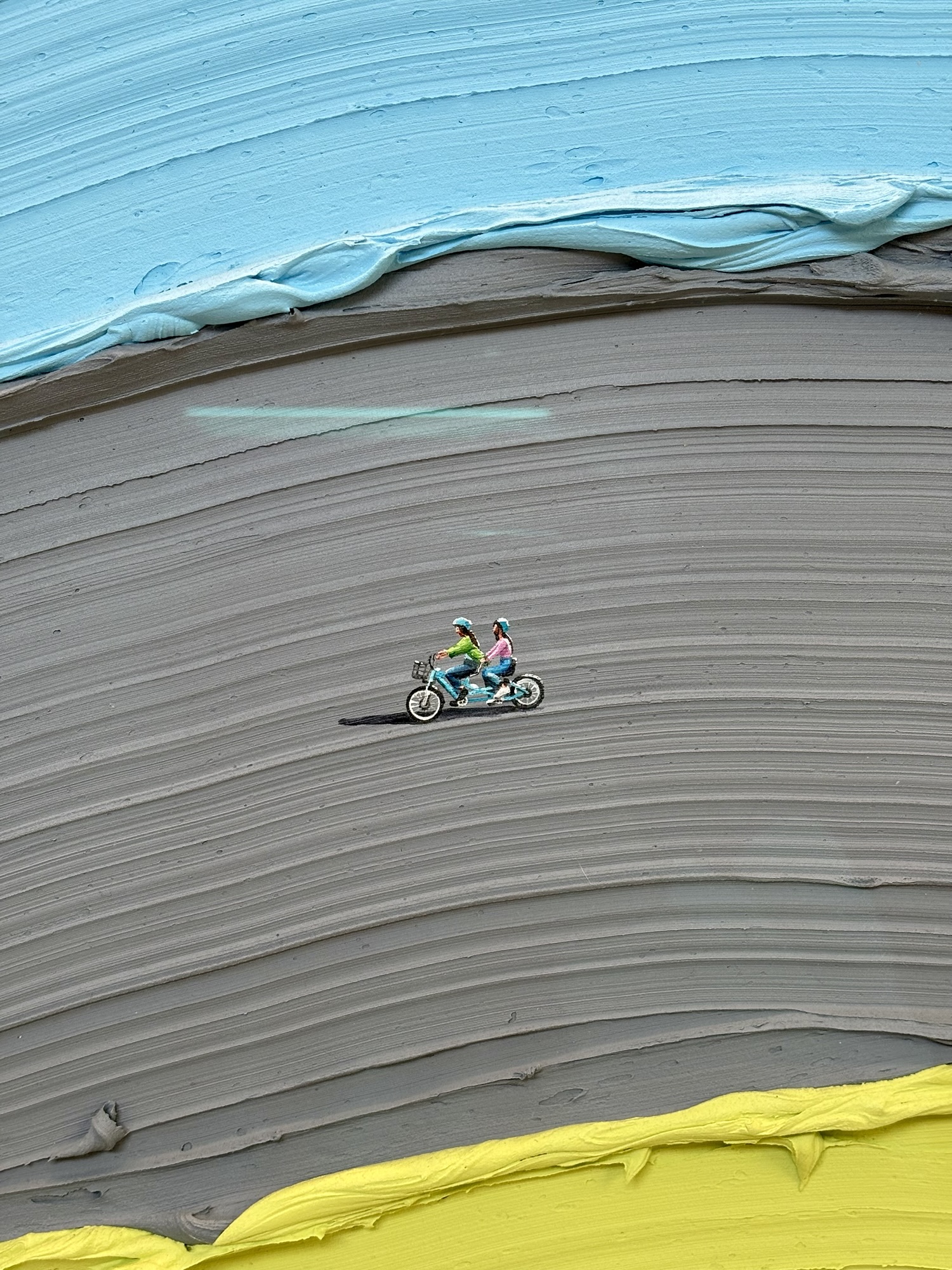
I had saved so many pieces in my phone’s memory (and bought some more as postcards). They still evoke the same joy on second look.
This retrospective exhibition continues Grand Josun Busan, extended until January 2027. Visit their website for more information.
I hope I don’t get tired of finding joy in beautiful things. Or finding beauty in joyful things.
Until next time! ♥

⬅ NAVIGATE SEOUL SEARCHING SERIES (FT. BUSAN) ➡
Part I: Reflections and tips for solo travel
Part II: Four museums and two exhibits in Seoul
Part III: First time in Busan? And BTS-related side quests


Say something back.