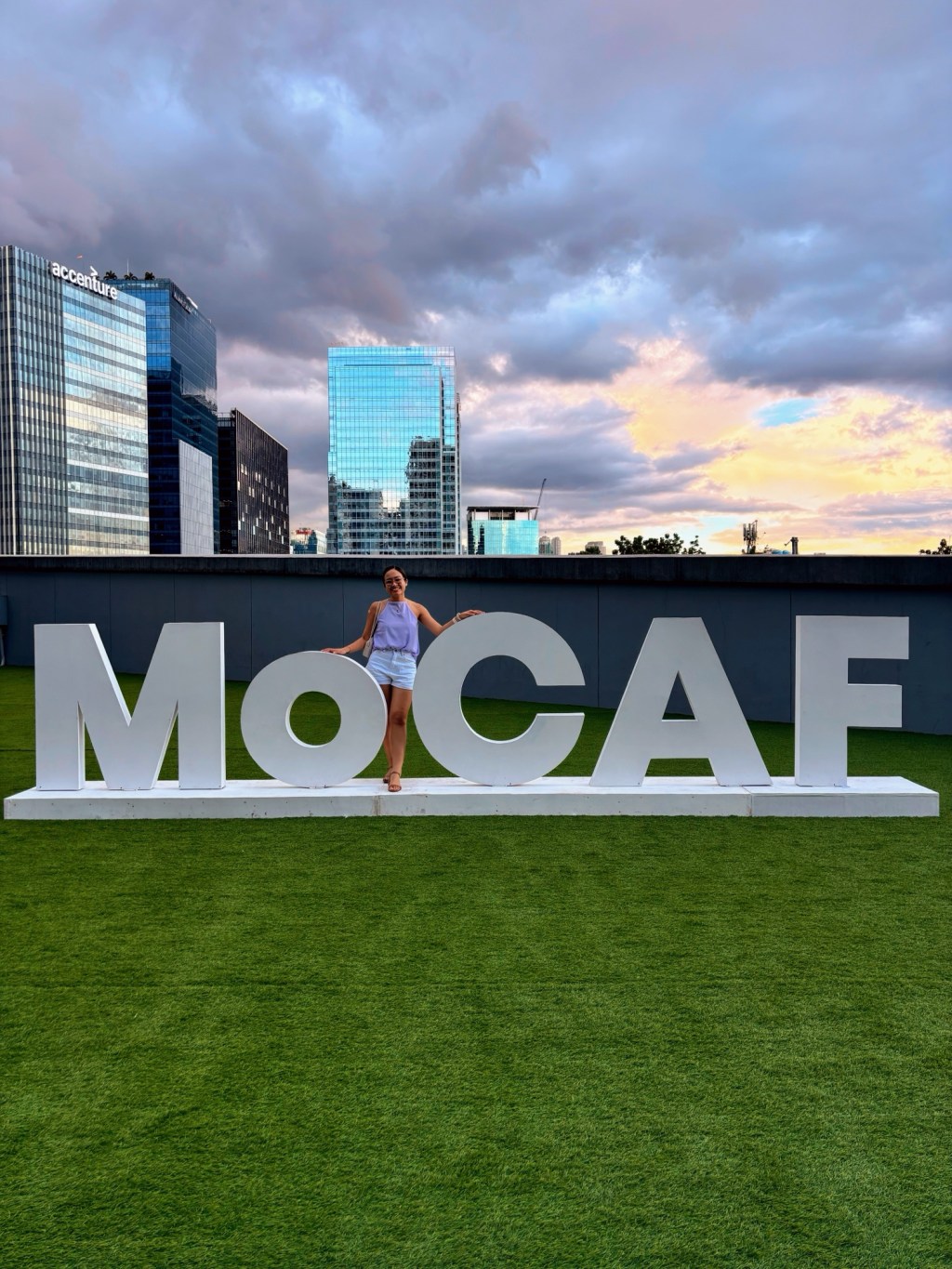
To heal and recharge over the last several weekends, I visited the Manila Clock Tower Museum, Yuchengco Museum, Museo Orlina, and MoCAF 2024. That there are growing and increasingly accessible spaces for art gives me joy.
Please check them out!
Contemporary art refers to art of the present and recent past, of an innovatory or avant-garde nature.
Tate Modern UK
Manila Clock Tower Museum, Manila
Visitor Information | Open 10AM to 5PM from Monday to Friday, located at the 4th Floor of Manila City Hall, Padre Burgos Ave, Ermita, Manila. Admission costs PHP100.
Visit their FB page: Manila Clock Tower Museum
The Manila Clock Tower was built in the 1930s and stands as an iconic part of the city skyline.
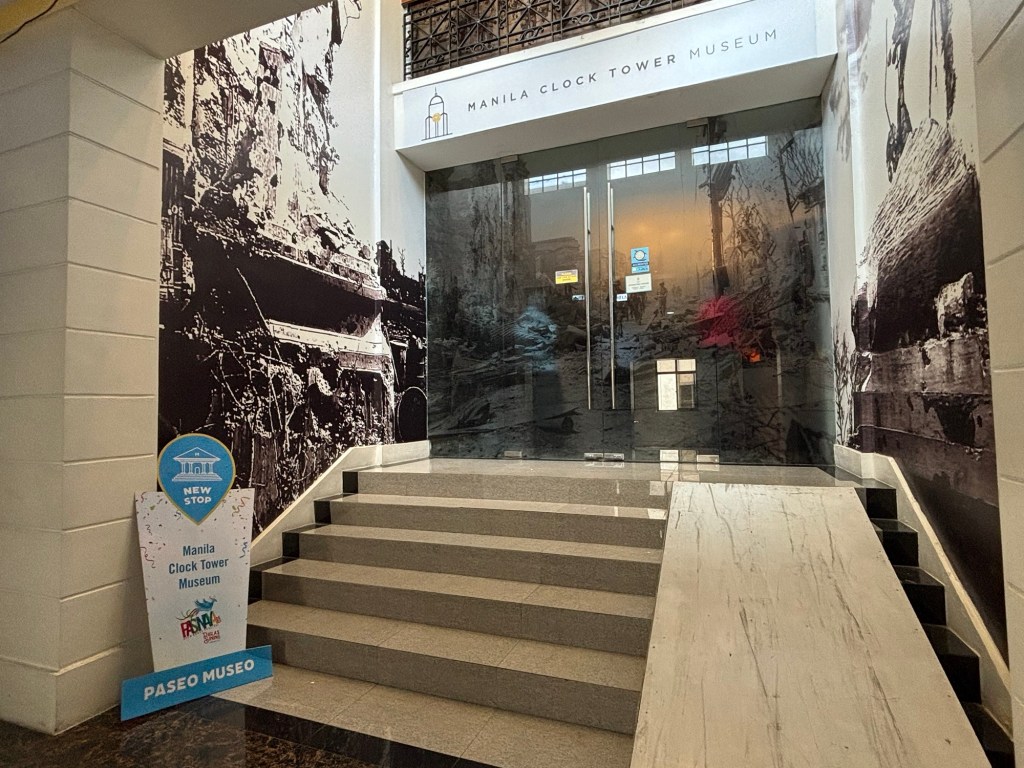
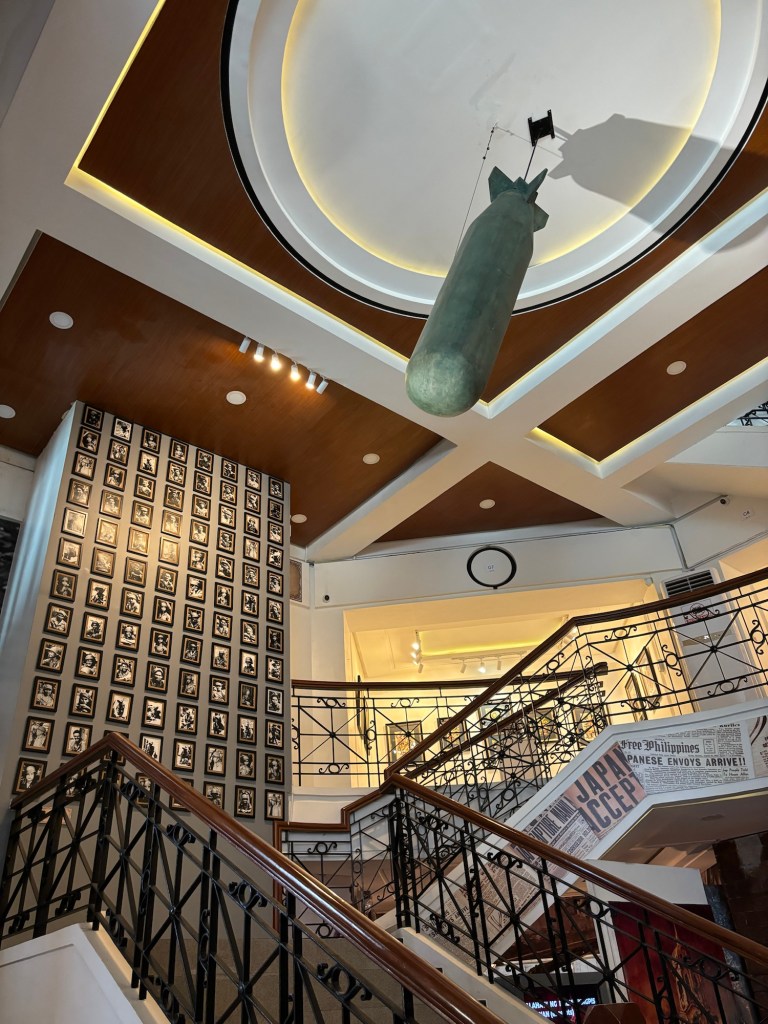
Since October 2022, the interiors of the tower have been transformed into a historical and contemporary art museum, featuring dioramas and installations on World War II, and displays on past mayors and articles of office. Two floors also feature revolving galleries from postmodern to contemporary artists.
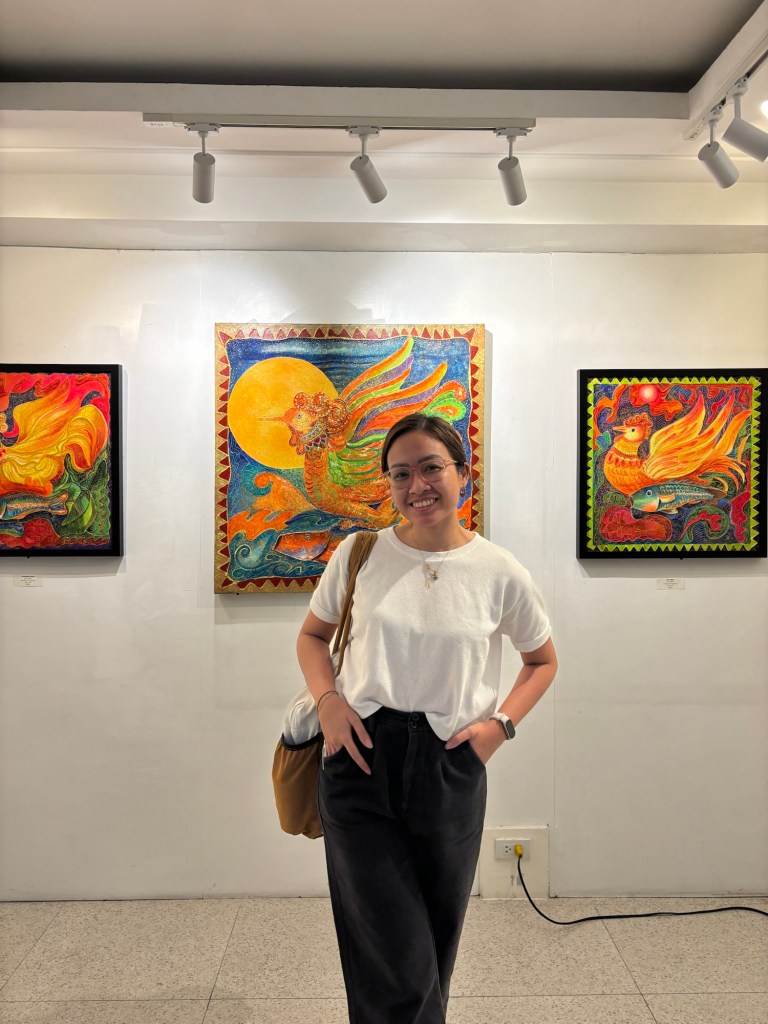
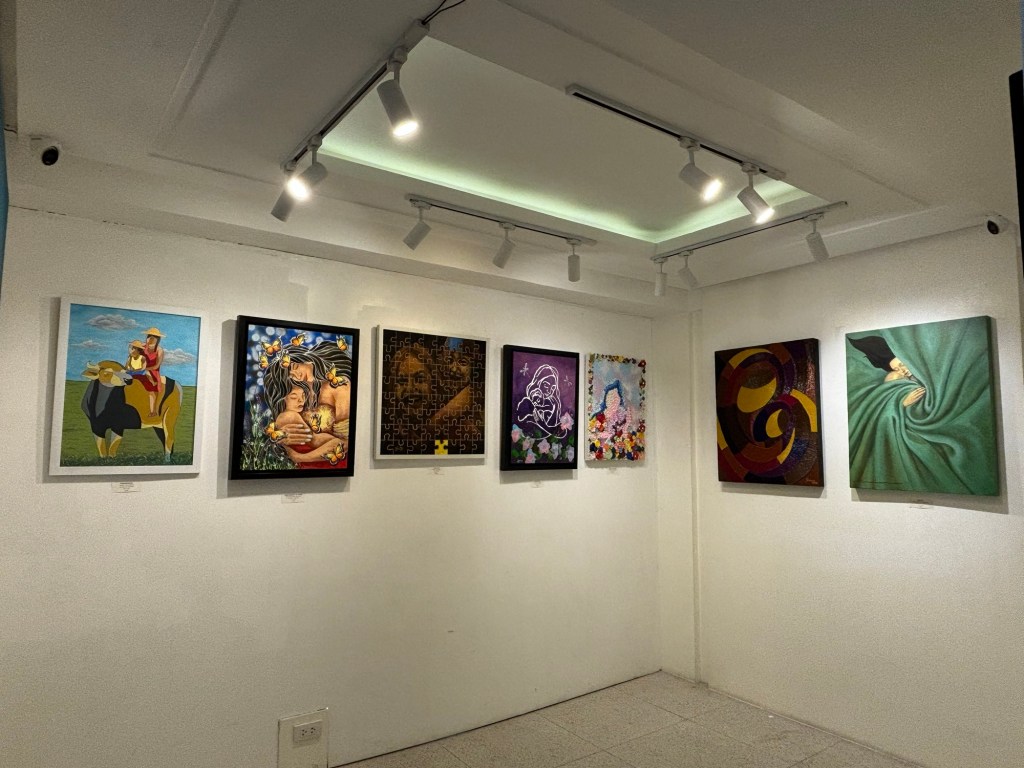
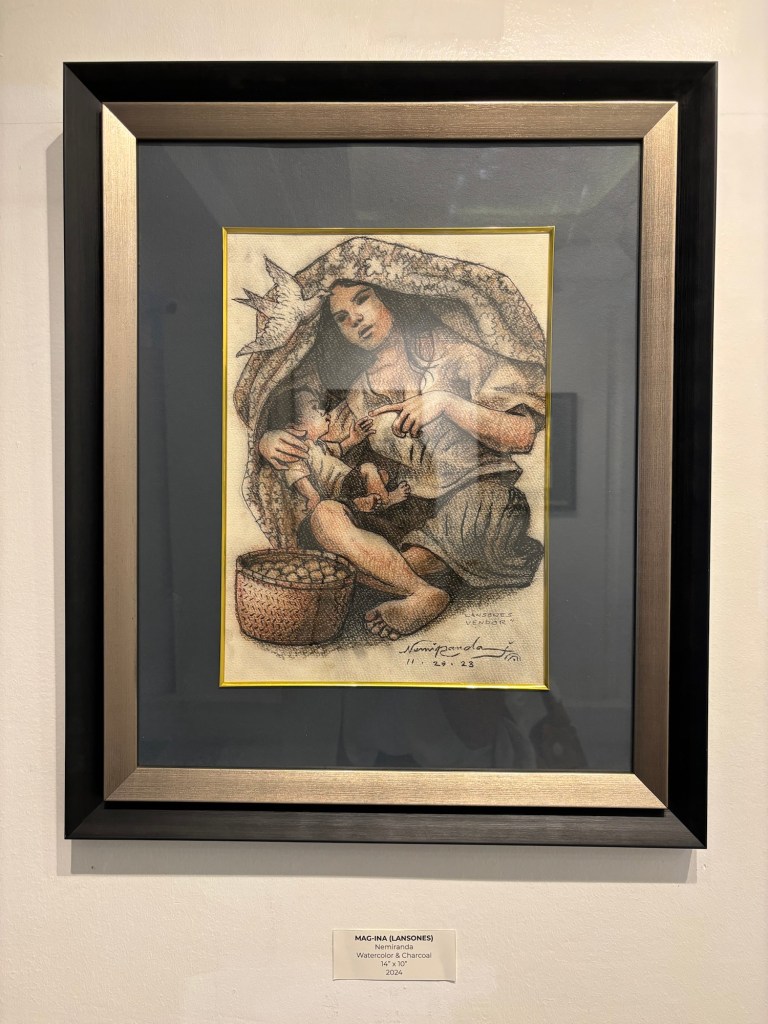
Contemporary art is often difficult to appreciate; sometimes it’s even hard to call a piece of work “art” and not just a random collection of figures…
Meaning is made accessible by its context; the contemporary art featured in this museum are organized into narratives that are more or less about Manila, or grouped by guild.
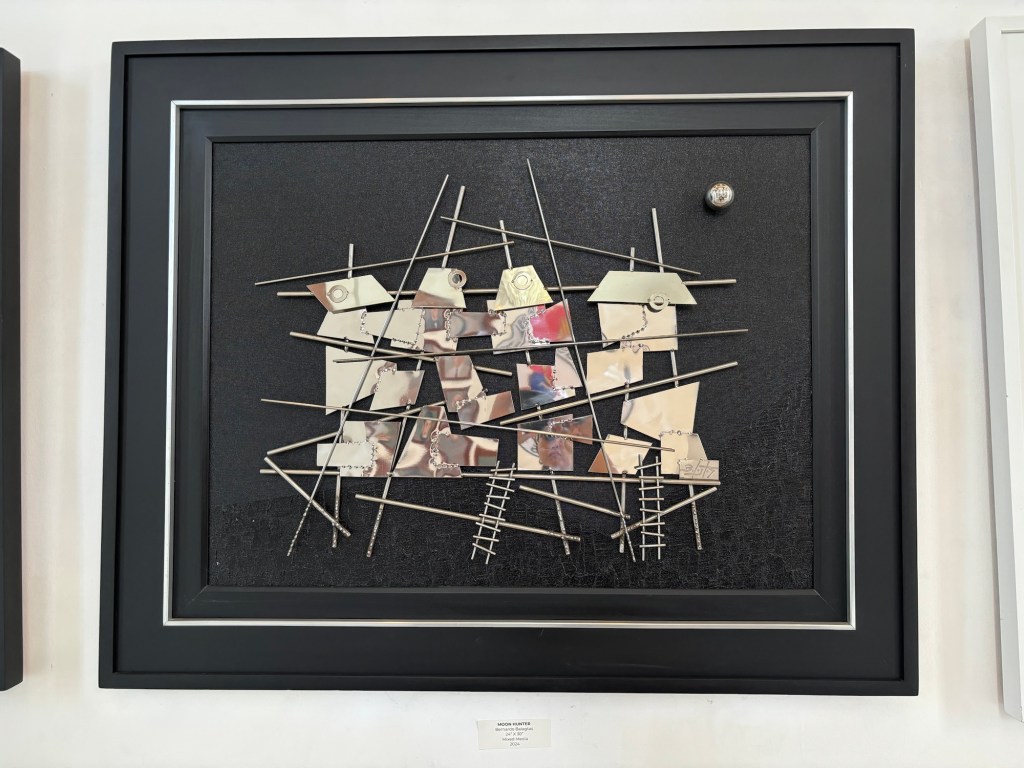
We usually ask: what can you see? How does it make you feel? Often for contemporary art, the last question is on societal meaning —what is it trying to say about living in today’s times?
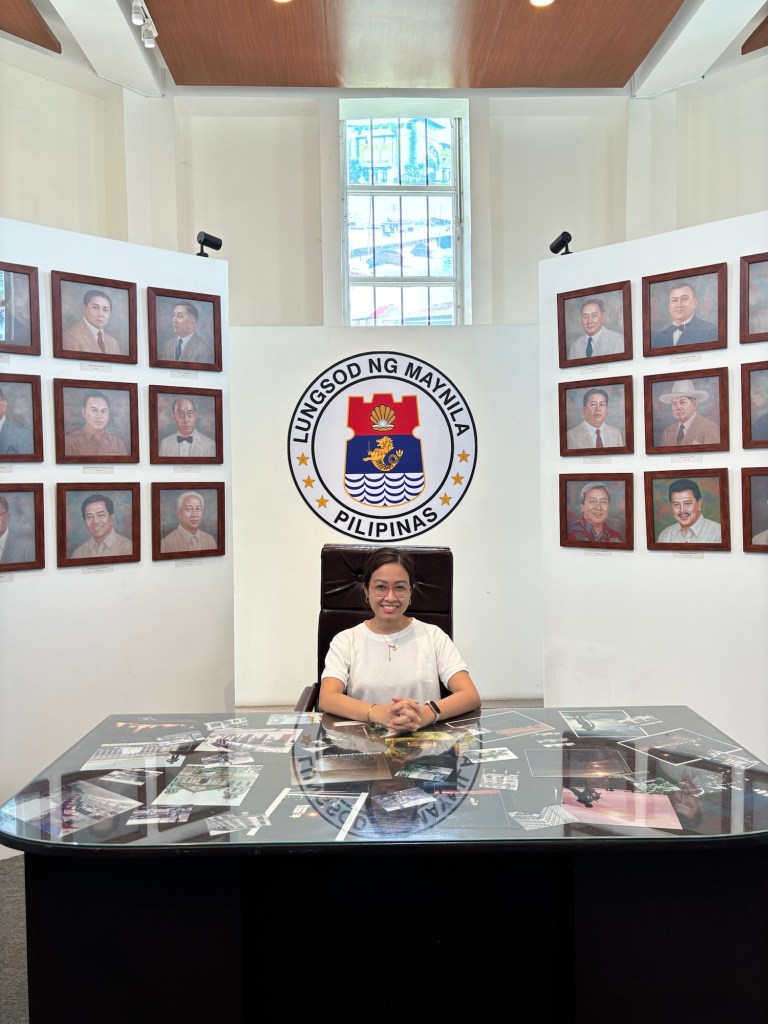
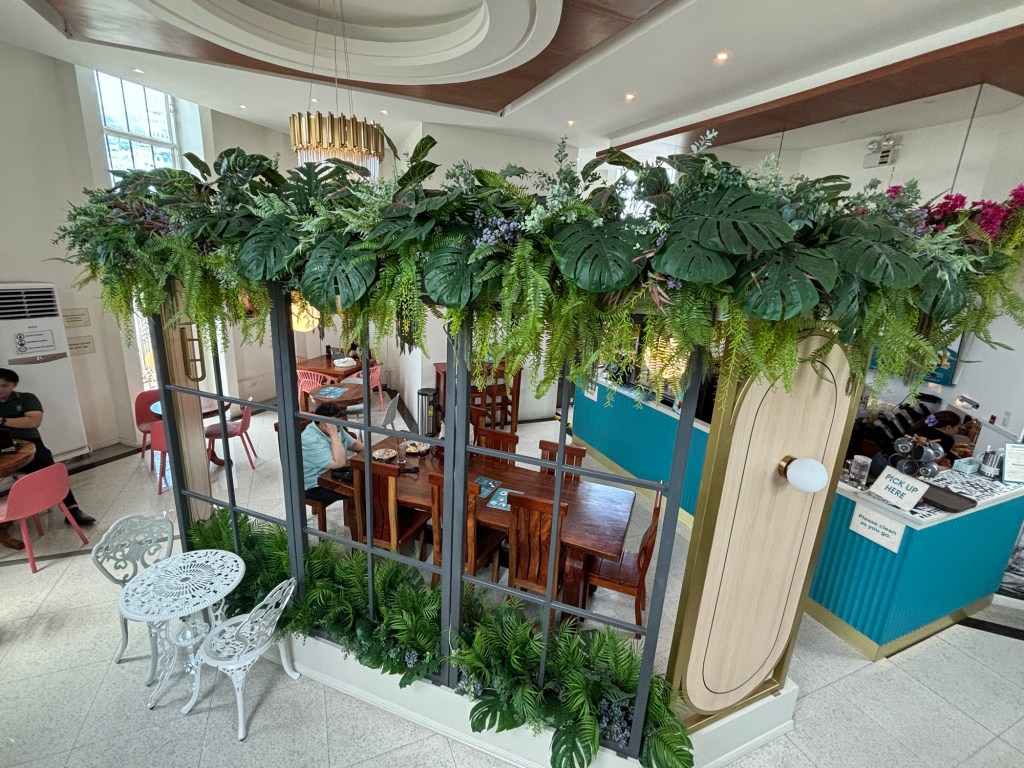
In between contemplating all the art, visitors can also enjoy a hearty meal and some good coffee at the ClockTower Cafe. The price and quality are both museum standard.

The only downside to the tower is its poor accommodation for persons with (physical) disability. During my visit, I saw some older Manilenyos struggling with the fairly steep winding stairs. It’s hard to imagine adding a lift to such a narrow space, but I’m sure someone more technically-competent can whip up a solution.
Accessibility feels urgent as one of the highlights of the museum experience is the topmost deck. It gives visitors a 360° view of nearby Manila and also a glimpse of the great clock’s internal mechanisms.
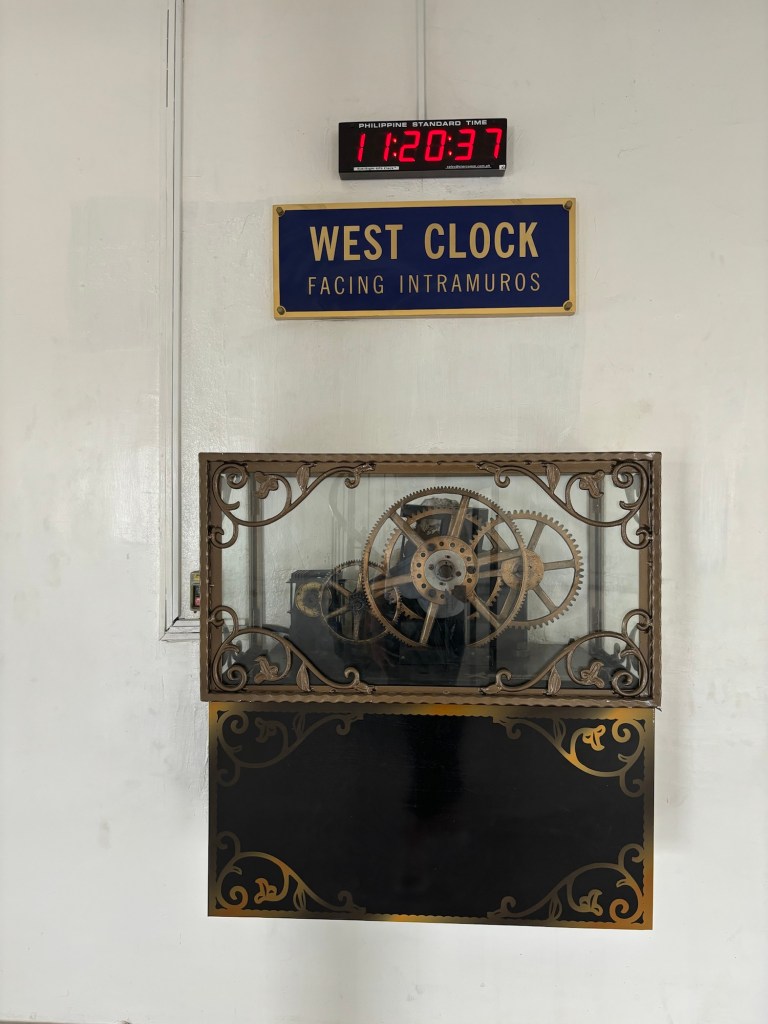

The move to rehabilitate the tower into a museum spanning the fourth to seventh floors will hopefully strengthen local tourism and love for the city’s rich history.
The museum is only a few minutes’ walk away from Luneta and Intramuros, so you can plan out a whole day itinerary!
Yuchengco Museum, Makati
Visitor Information | Open 10AM to 6PM from Monday to Saturday, part of the RCBC Plaza, Corner Ayala and Senator Gil J. Puyat Avenues, Makati City. Admission normally costs PHP200.
Visit their website: Yuchengco Museum
May 18 marked International Museum Day, and I was thinking of which museum to visit. I decided on checking out Yuchengco Museum for the first time, and it turned out to be a satisfying afternoon.
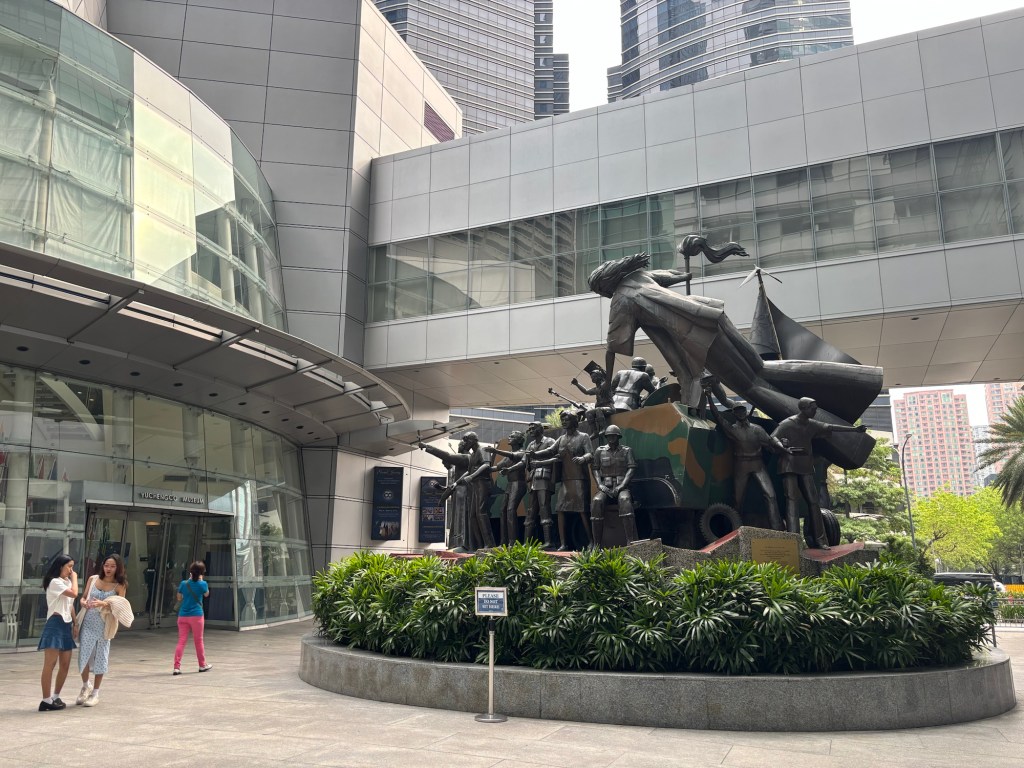
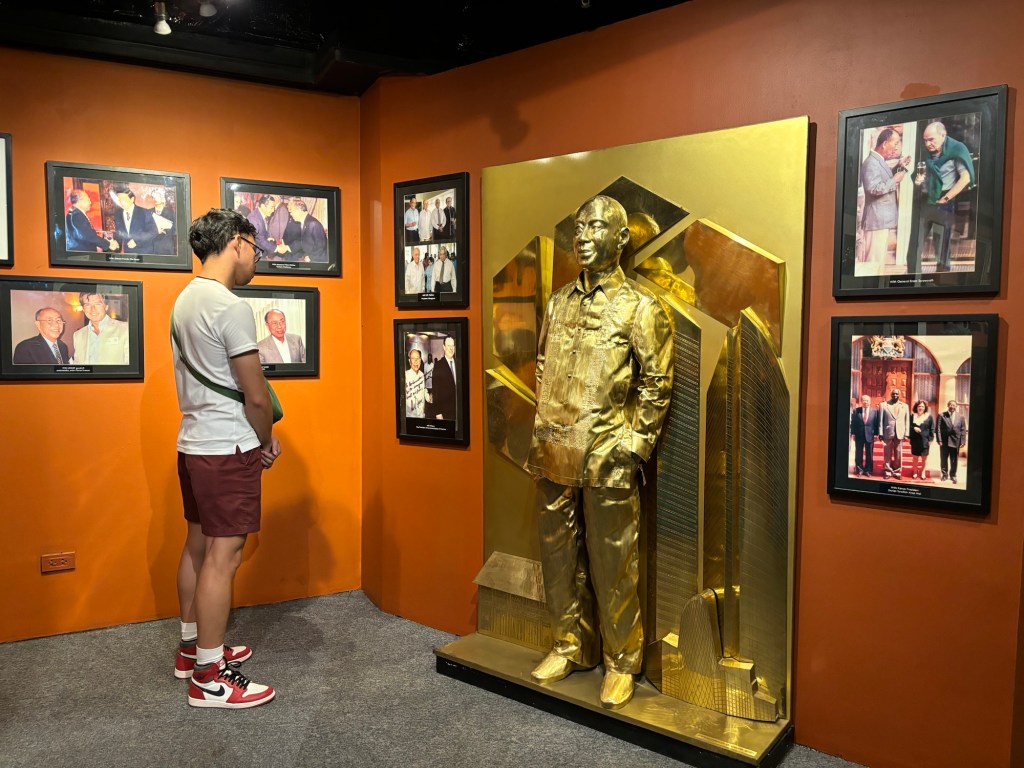
Yuchengco Museum is a privately-owned museum, with a mix of historical exhibits (focusing on the RCBC group of companies, the story of Filipino-Chinese businesspeople in the country, and also Jose Rizal for some reason), Chinese traditional artefacts and furniture, and naturally some temporary galleries on modern (postwar) to contemporary art.
This is contemporary art as a private and consumerist endeavor. Majority of the pieces are either owned outright by the Yuchengcos, or loaned from friends of the family. What do the works convey about the family, their role in Makati and the Philippines’ economic history, and the future?
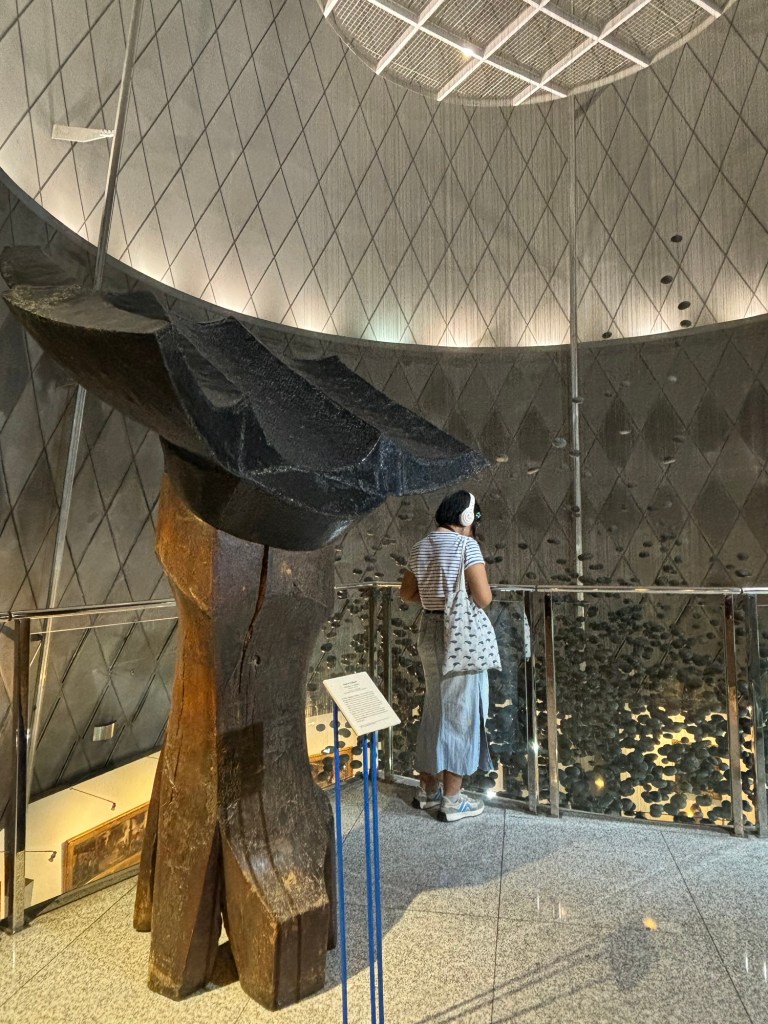
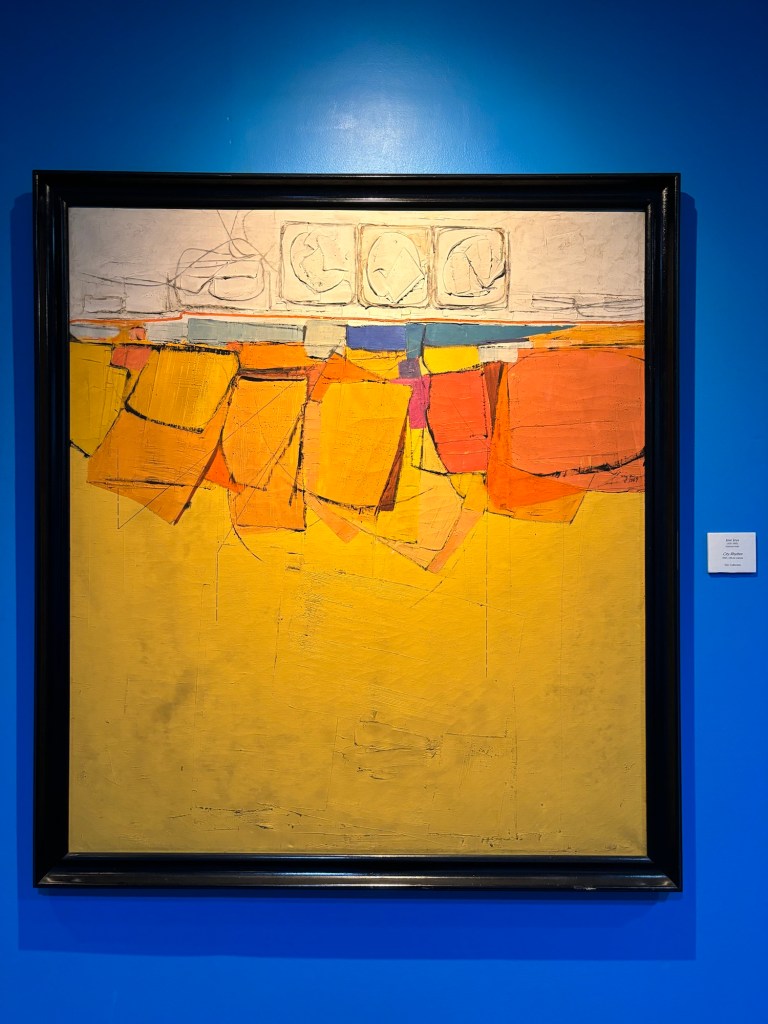
The title of national artist only began to be awarded in 1972; the first recipient in visual art was Fernando Amorsolo. By some definitions, the national artists awarded during the Marcos and post-Marcos era can still be considered contemporary. Though the content and circumstances of their art are many degrees different from today, their technical artisanship remains outstanding and unique.
The Yuchengco Museum gift shop is one of the better stocked museum shops in the metro, though there aren’t really enough iconic collections or pieces to create a strong brand. I didn’t buy anything.
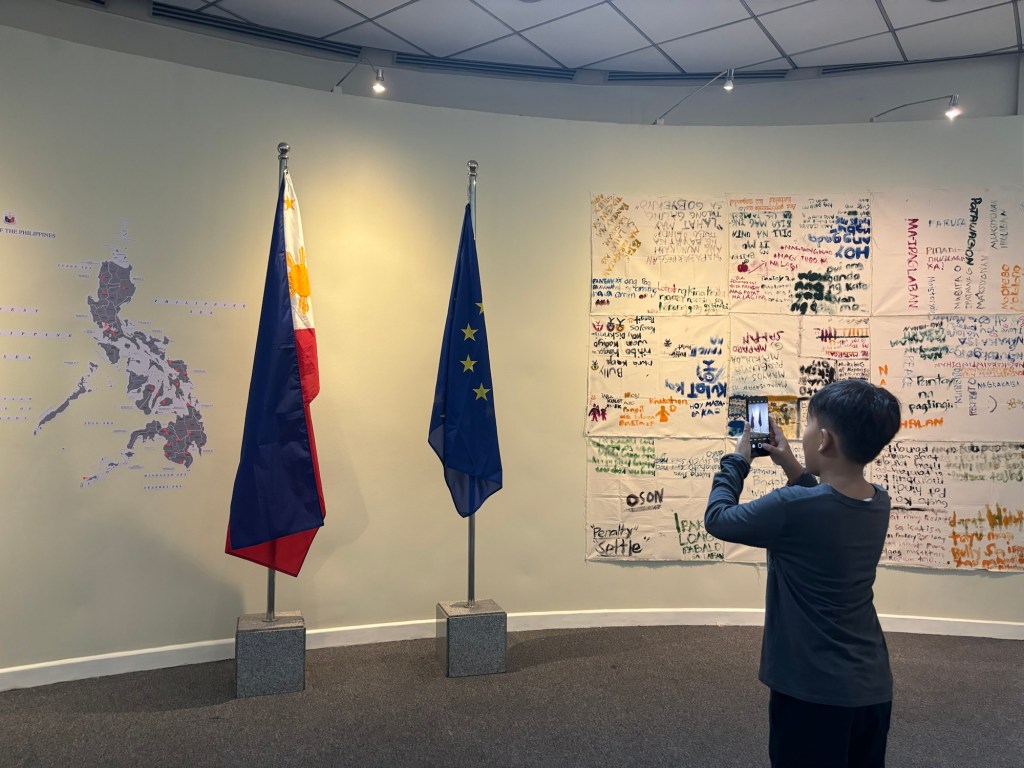
Yuchengco Museum is fairly small, with a respectable mix of historical to artistic pieces to inspire some thought or conversation. It might not be an especially robust space for contemporary art, but it’s a nice place to visit if you find yourself in Makati.
Museo Orlina, Tagaytay
Visitor Information | Open 10AM to 5PM from Tuesday to Sunday, at Hollywood Subdivision Road, Tolentino East, Tagaytay City. Admission costs PHP150.
Visit their FB page here: Museo Orlina
Museo Orlina is a contemporary art museum built on the prolific career of master and pioneer glass sculptor Ramon G. Orlina, and some of his children. The small museum takes you on a journey from his earliest glass works in the 1970s to his most celebrated pieces, including the Quattromondial.

The interplay of indoor and outdoor spaces to showcase art is one of the key features of this museum.
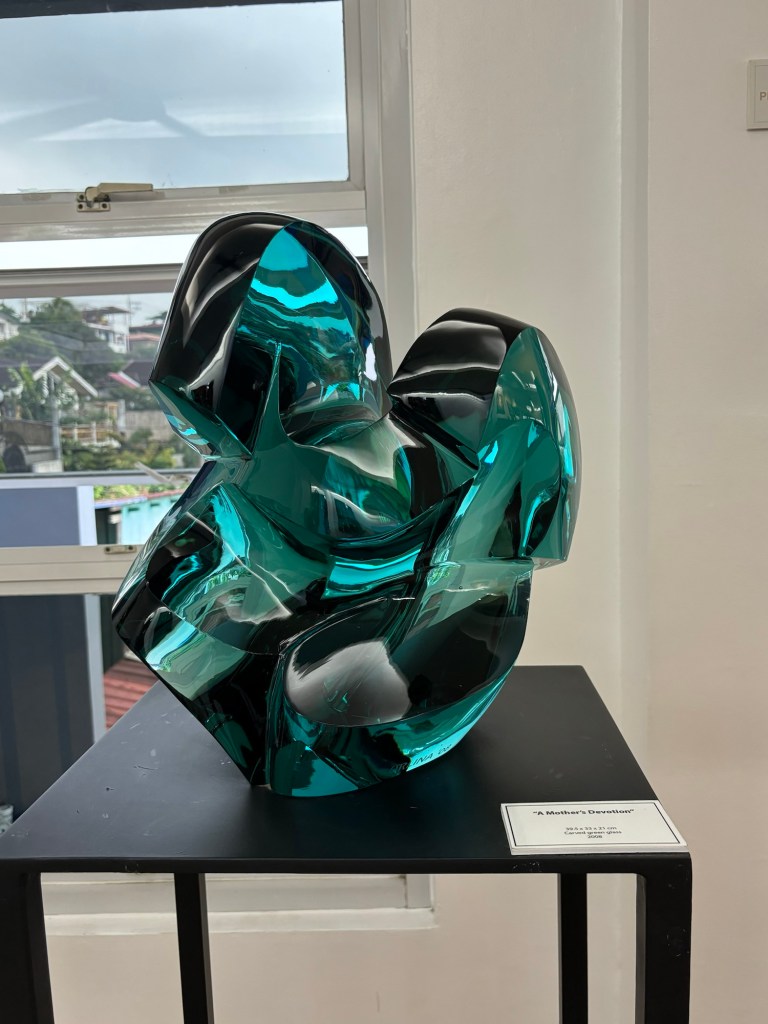
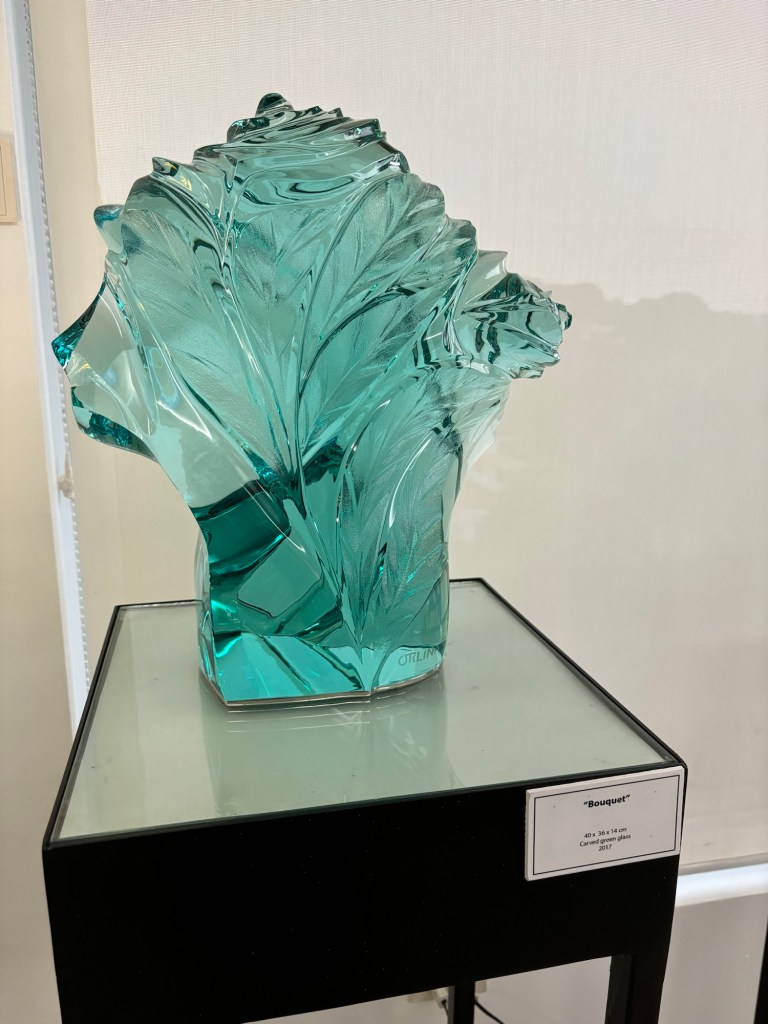
Museo Orlina also features other famous contemporary artists, including painters such as BenCab and sculptors like Abueva.
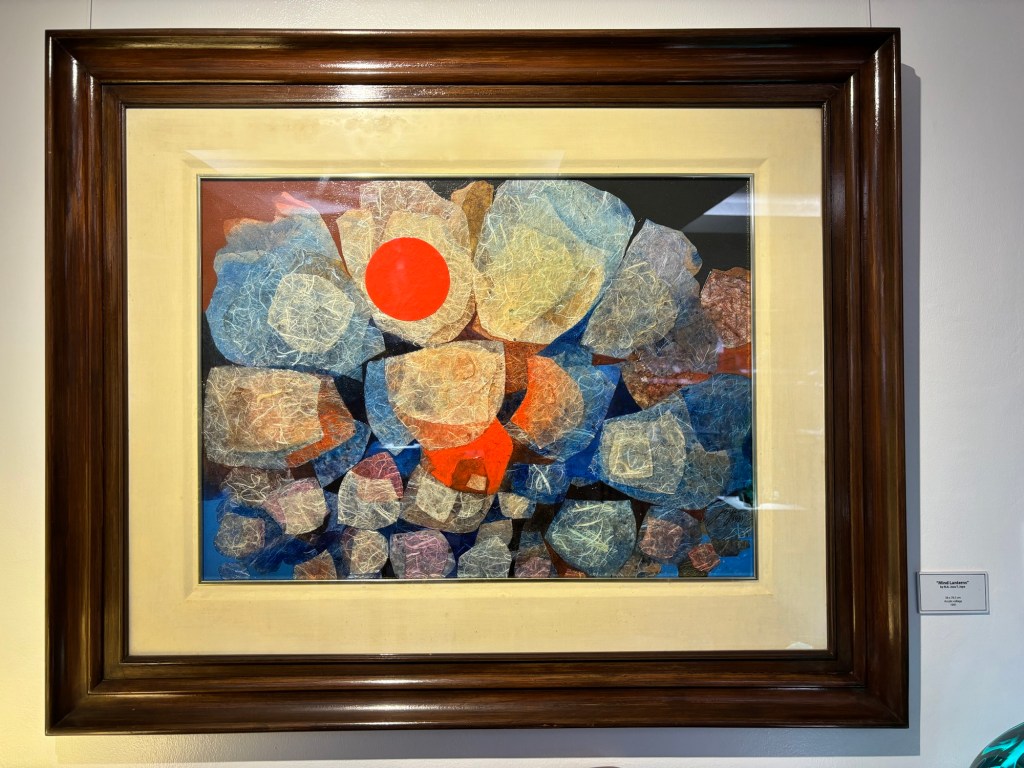
The museum spans over three or four floors, as well as a curated outdoor garden full of sculptures and a small garage for Orlina’s art cars. It’s a refreshing area that’s best to visit in good weather.
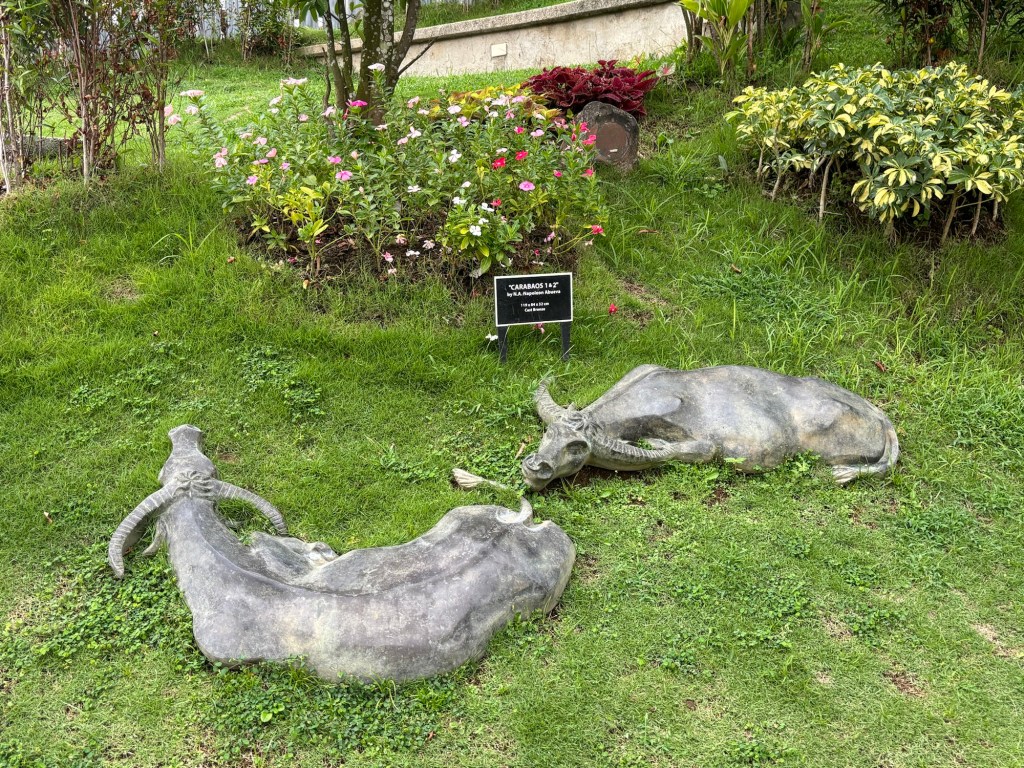
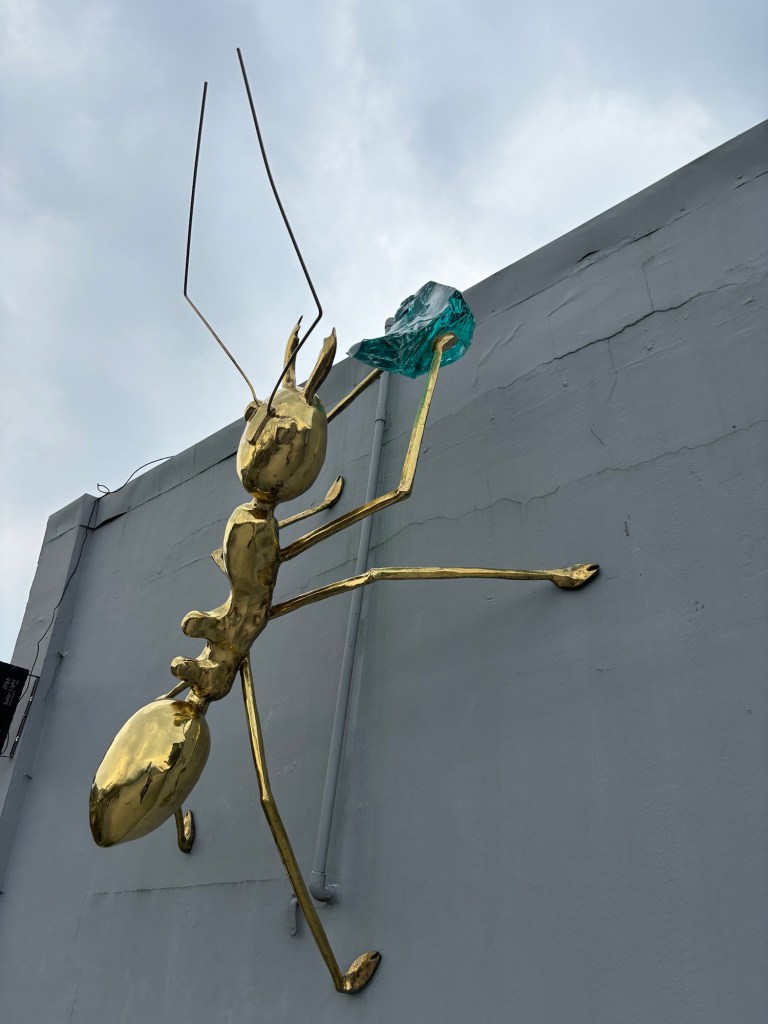
The sculpture garden is shaped into an open ampitheater. You can easily imagine the central stage hosting intimate performances or town plays.
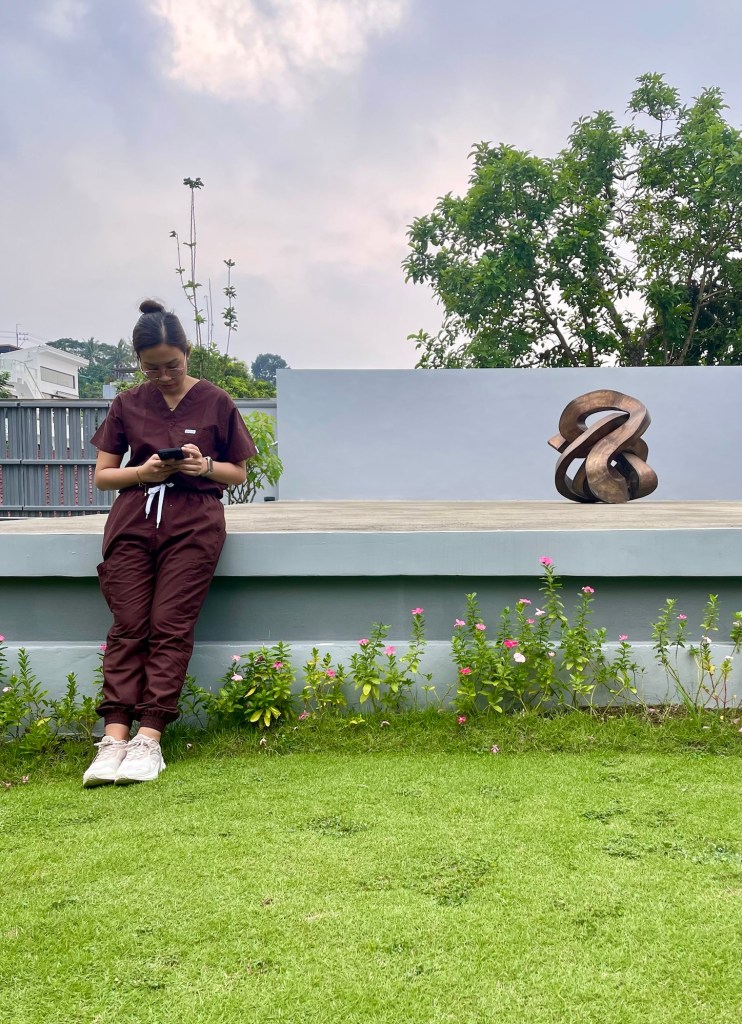
Before reaching the outdoor garden, the lower levels also feature seasonal exhibits from local artists based in the south. At the time of our visit, there was an exhibit called Summer Bliss featuring Grupo Sining Batangueño and Kapit Kamay Kasining, under Reflections Gallery.
I hope more towns host accessible museums to provide space for local artists and tourism!
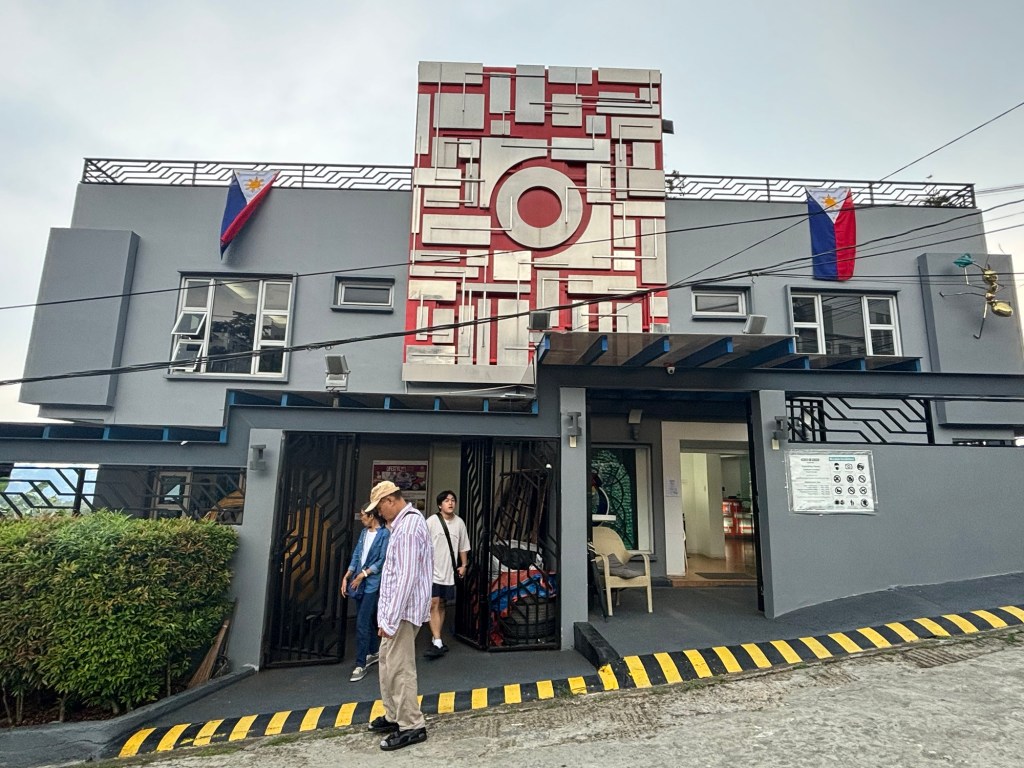
The outside of the museum conceals the richness of the exhibits within. Still, you can easily finish the five levels within an hour or two.
Museo Orlina hopes to expand its collection furRight across the five-level home is the future site of Orlina’s Art Cars museum. I guess that means I’ll be back some day. :)
MoCAF 2024, BGC
Visitor Information | Annual event open from 10AM to 9PM this July 5 to 7, at the Marquis Events Place, BGC. Admissions cost PHP300, but is free under select sponsors such as Globe Telecom customers.
Visit their website here: MoCAF
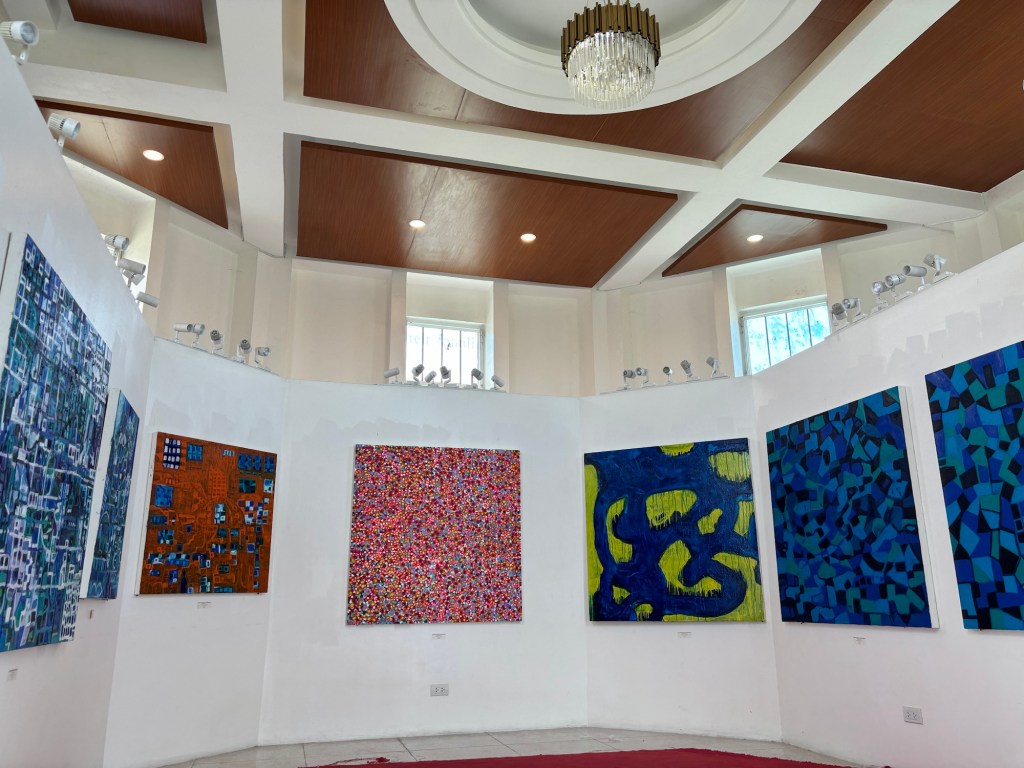
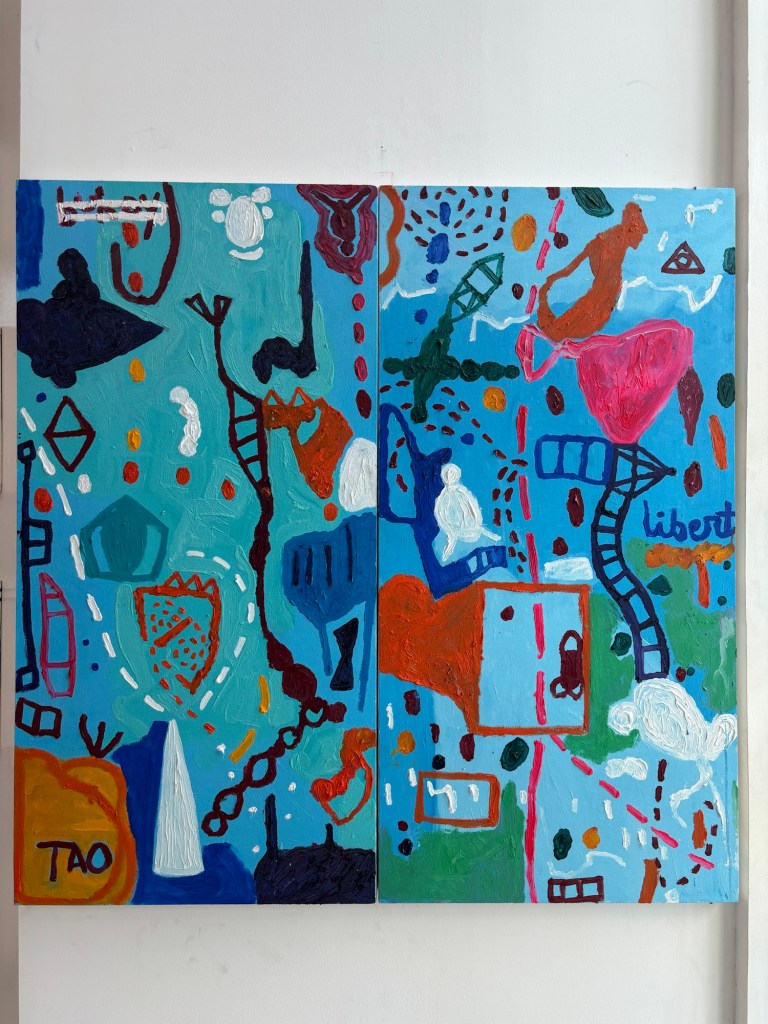
Calling itself the latest and most dynamic art festival in the Philippines, the Modern and Contemporary Art Festival features 24 galleries of modern and “cutting-edge” contemporary art.
This is the third iteration of the festival. I only went for a quick visit earlier, but it’s enough to say I’m quite excited to see the festival grow! Though I wasn’t able to appreciate it the previous days, MoCAF also hosts connected street and merch exhibits preceding the main event to reach an even broader audience.
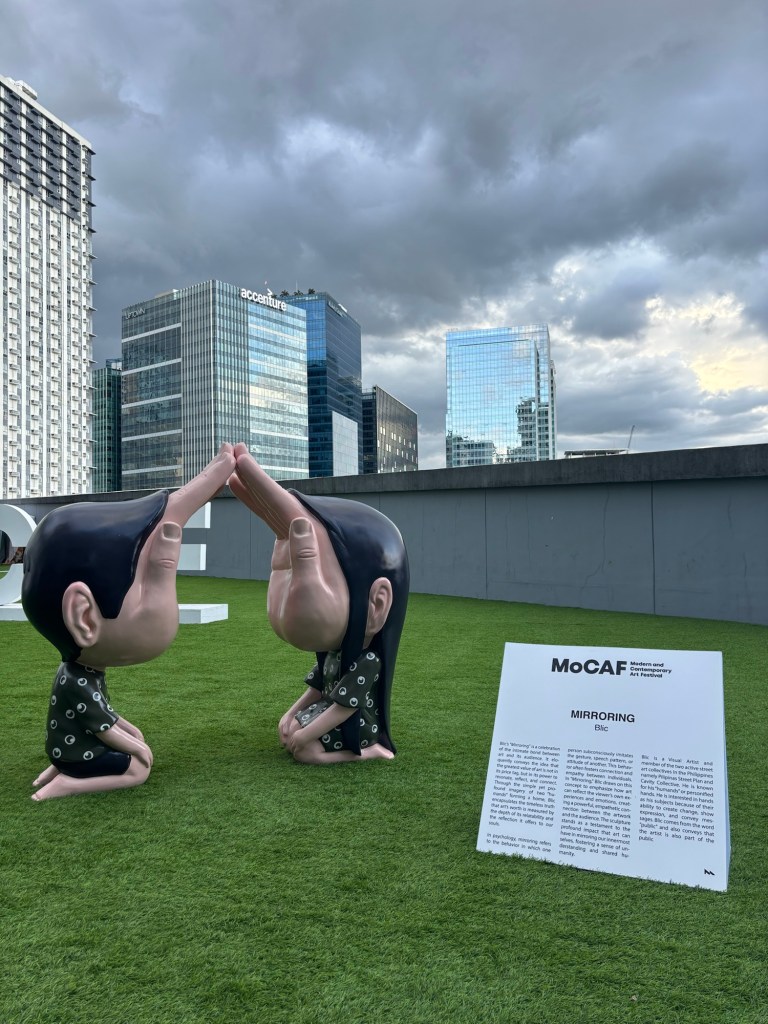
Other representational pieces caught my eye and inspired questions I’d rather not articulate here…
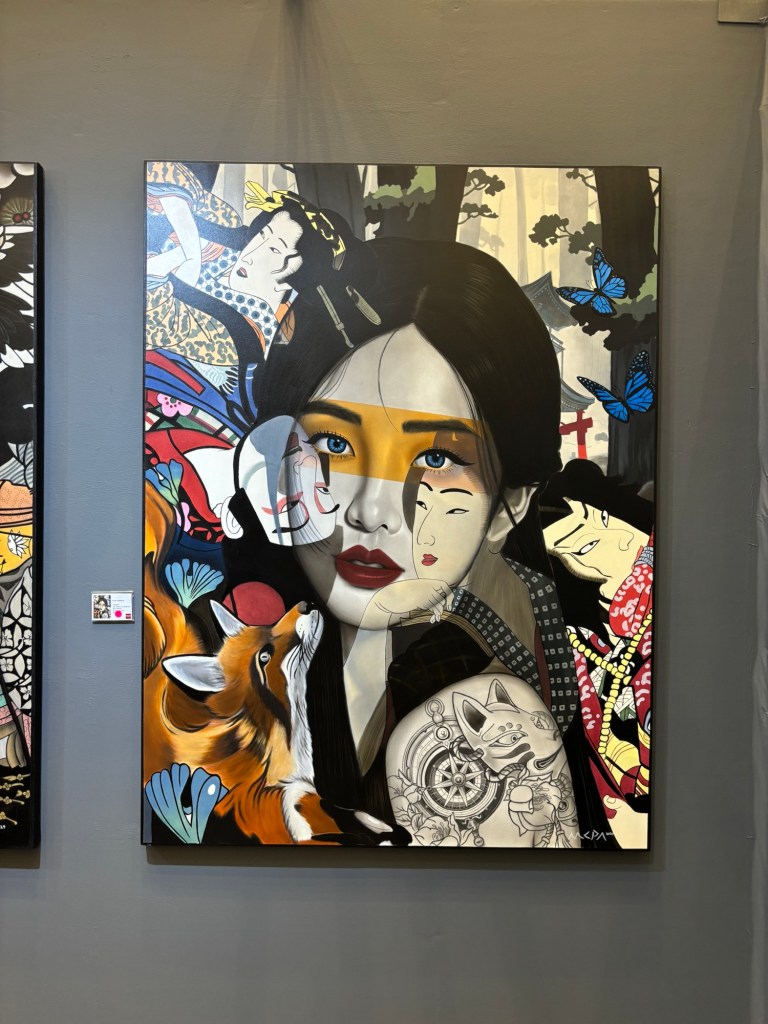
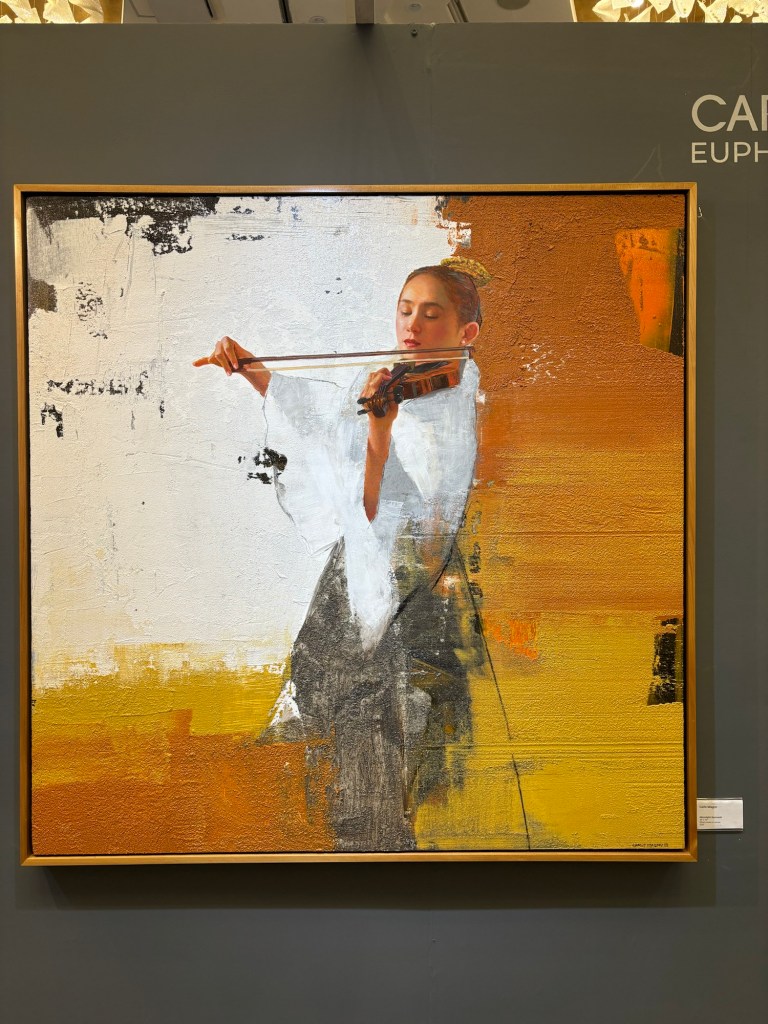
When it comes to contemporary art, I find my tastes leaning more towards full abstractions relying heavily on color, or semi-representational bold and clean graphics. My practical metric is: which pieces will I hang in my hypothetical art house? More romantically, which ones would I like to contemplate for a second, third, hundredth time?
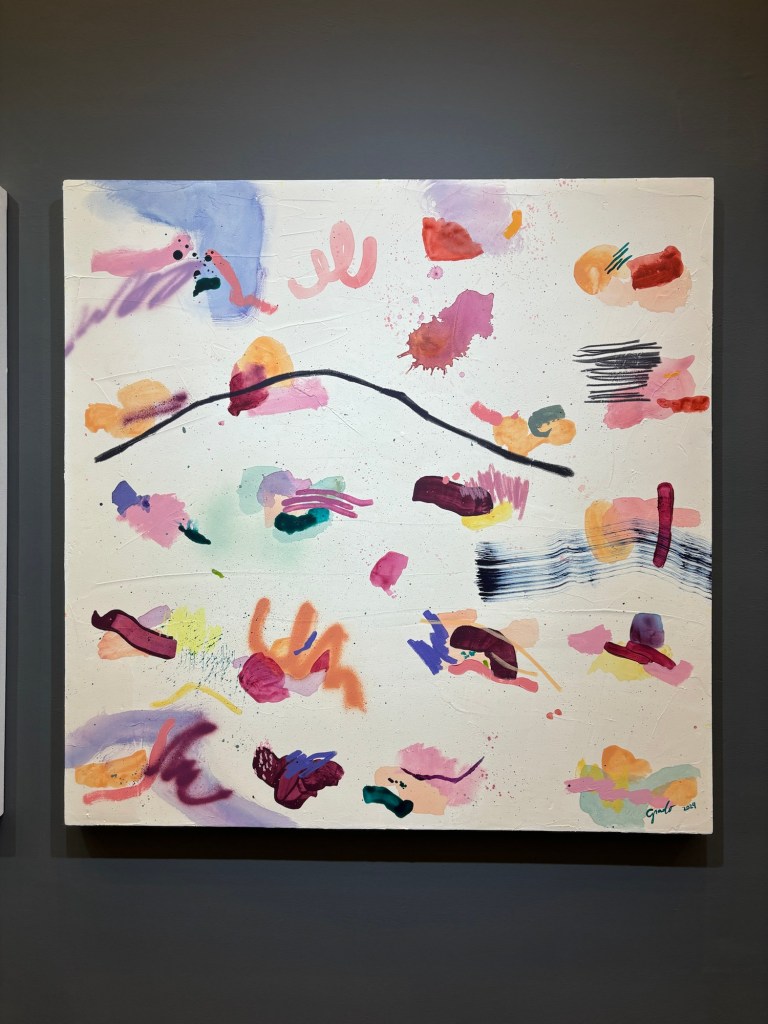
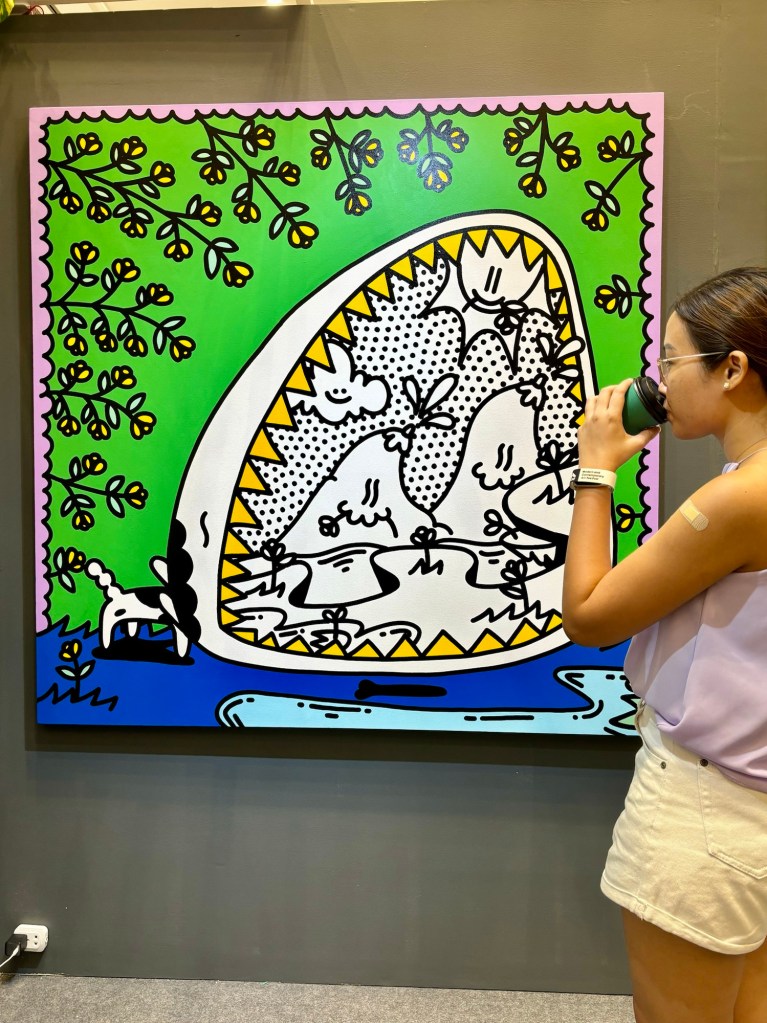
Ignore the bandaid on my arm; I had my annual flu shot and second pneumococcal vaccine earlier today.
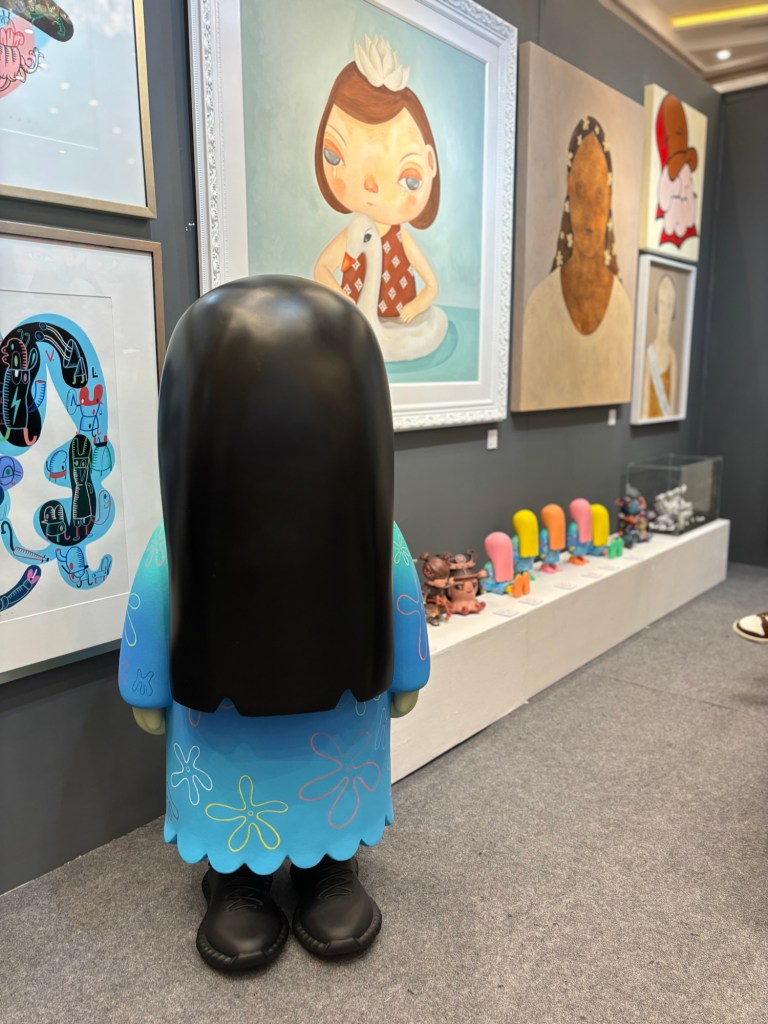
New resolution: I’ll start collecting mini to small sculptures next year. I’ve started collecting art prints and paintings (technically since high school), but wall space is a lot harder to negotiate compared to shelf space in my current and future apartments. Now I just need to save up some money.
Aside from more concurrent art, there were also pieces from recent decades. Fun fact: some definitions of contemporary art specifically include modern art from 1945 or the post-war period to the present.
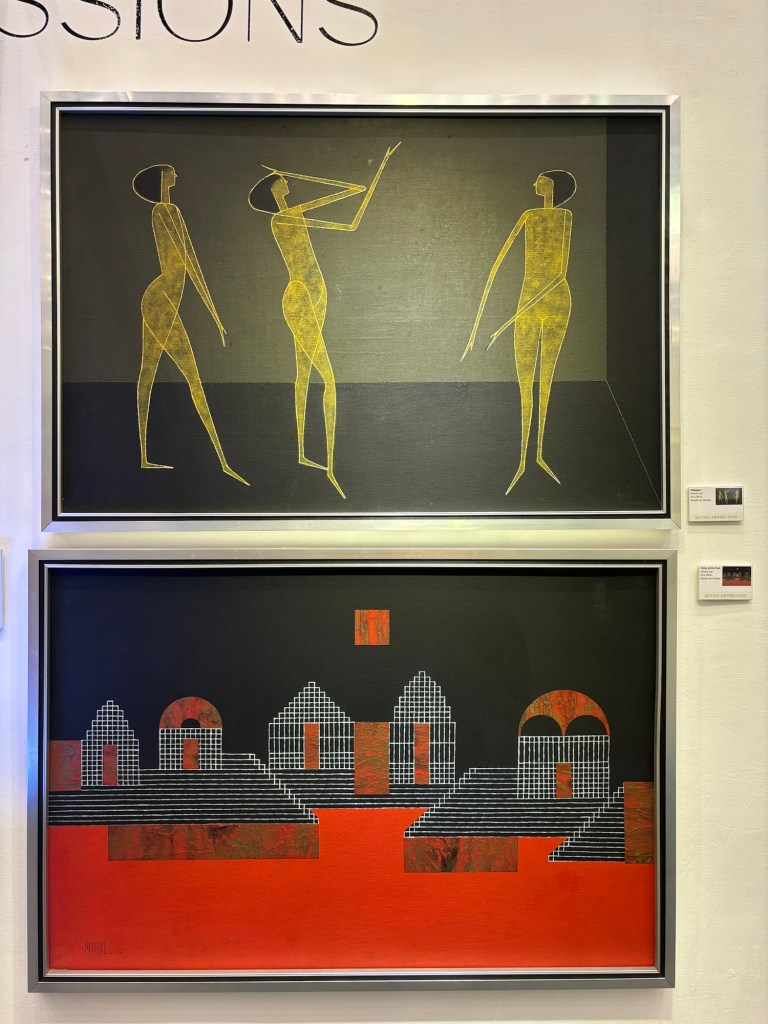
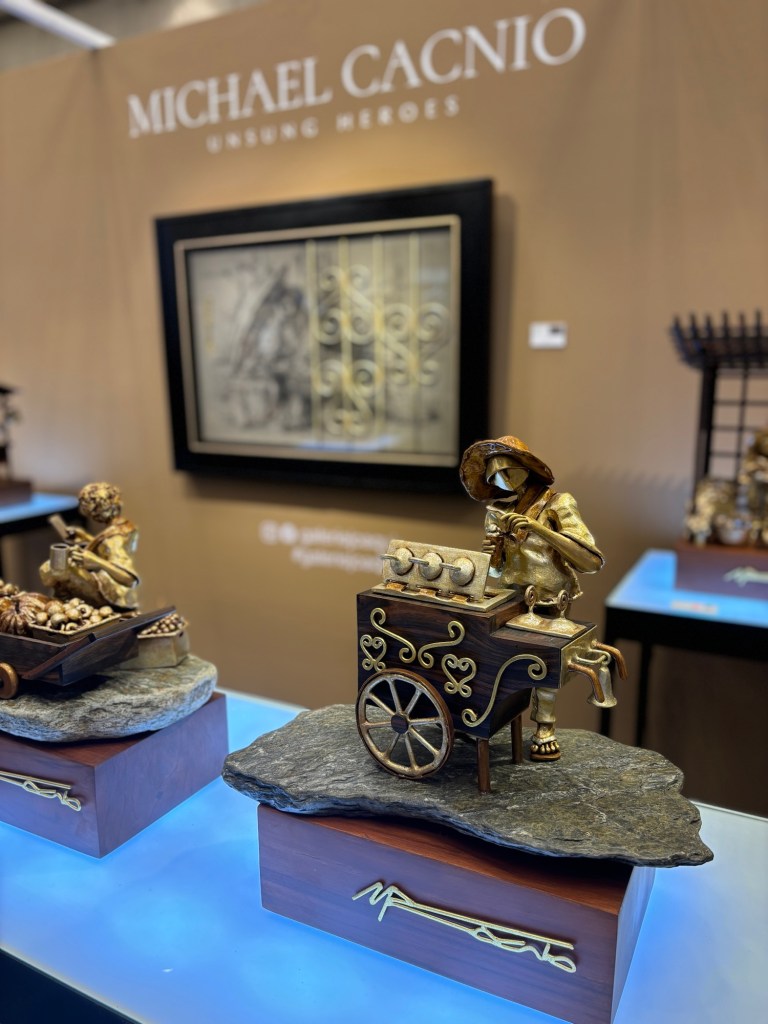
Art festivals like Art Fair Philippines, ManilART, and now MoCAF give me life (and so much energy on otherwise quiet weekends). They make art more accessible, if you compare it to trekking through the country to visit each individual gallery —not to mention MoCAF included 7 or so foreign galleries this year.
Festivals and fairs highlight the merits of local art across different mediums and contexts. And I think they can bring people together.
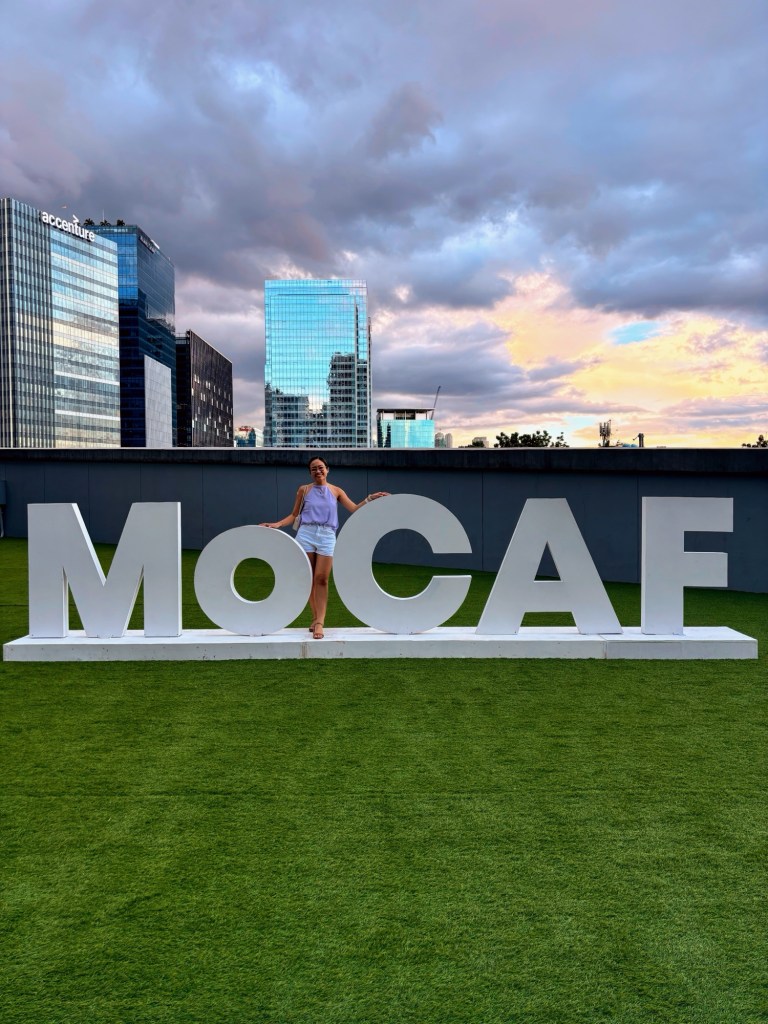
Among all four spaces I visited since May 2024, MoCAF naturally best exemplifies the spirit of contemporary art —diverse, accessible, and dynamic, with many of the artists available for conversations over the weekend. Oh, and capitalist. Everything is for sale.
More art to come
I don’t really know what’s next on my art calendar —and I haven’t even written some about some of the stage performances I’ve recently watched, come to think of it— but I’m certain there’s always something new to consume and to be consumed by. And I’ve been keeping a mental list of museums I plan to visit in the next couple of years.
Here’s to more art and more artists in the Philippines!
Until next time! ♥️
 jari m
Leave a reply to Rating Cafes in Ermita and Malate: The Good, The Bad, and the Unfortunately Closed – Part 1 – jari m Cancel reply