I’ve put off writing anything on this blog for several weeks because of a post I’ve been meaning to write but couldn’t. I keep thinking: I have to say something now, or I’ll never say anything at all.
This is a post around and about grief. I don’t know what else to say.
Day zero
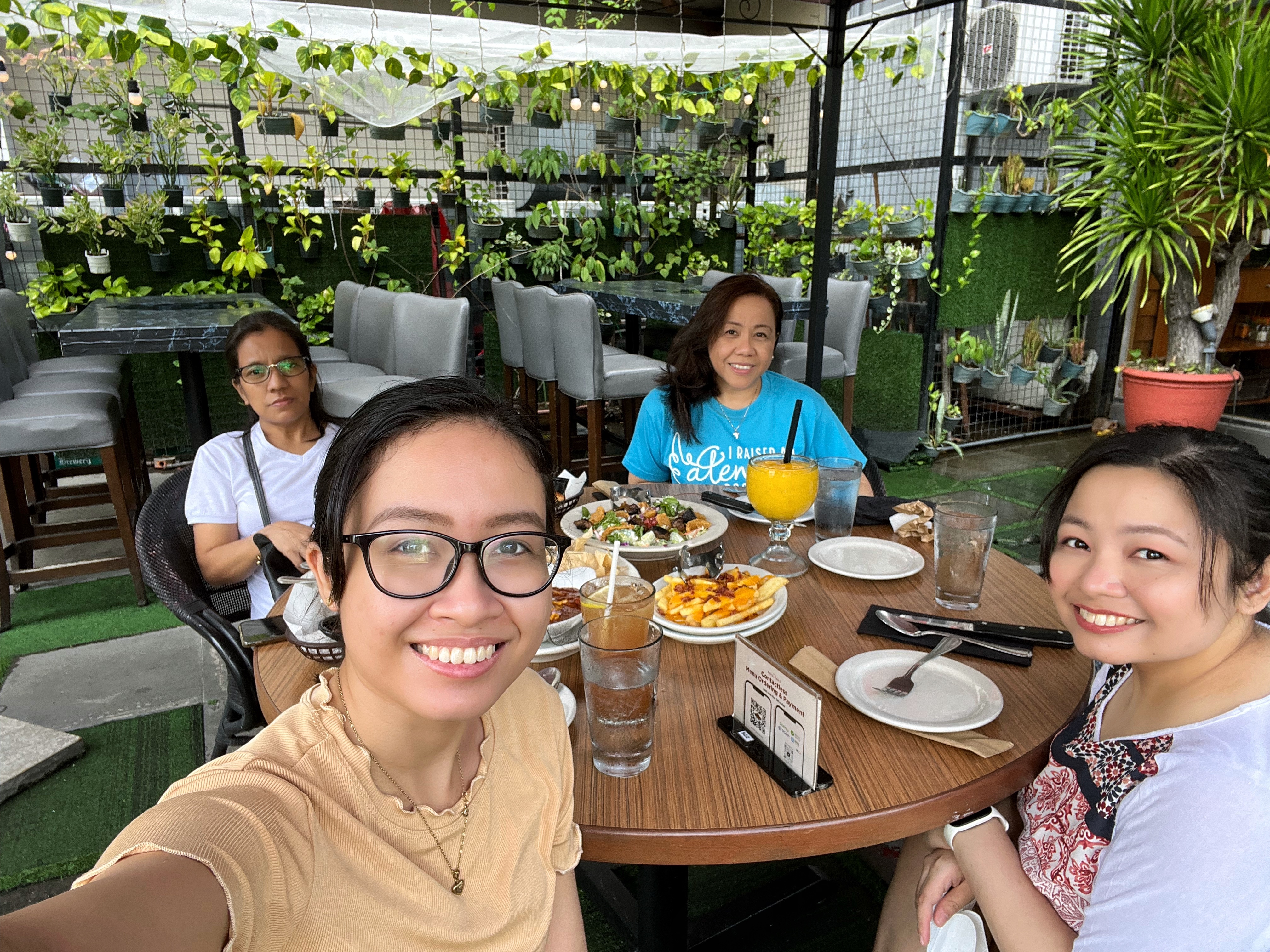
It was March 13 2022. I was a first year resident with only two things in mind for my off-duty Sunday: doing laundry, and treating my immediate family to a “first sweldo” lunch.
At that time I had very little idea of what was to come. My extended family was suddenly also in Manila for the day. My mom’s younger brother, Tito Romer, had presented with one-sided weakness after a few days of headache and sleepiness. Instead of going to any tertiary hospital in Laguna (and there are truly almost none worth mentioning even until now), they decided to go to PGH.
Weirdly enough, the day almost continued as normal. My mind was still too small to contemplate a diagnosis. I remember entertaining the thought of a stroke very briefly, before my heart shied away from that life-changing possibility. In between bites of our meal, I’d message my co-resident and friend at the ER about my uncle’s status.
.
It was the details and dilemmas that got me frustrated. This was the time before the Pay ER complex was established. There was no dedicated room, no assigned roster of pay nurses, and no separate billing (the last one still doesn’t exist). I was preoccupied with the apparent need to buy siliconized NGT from the outside pharmacy and the minutiae of processing papers to get my uncle comfortable in the floors. It isn’t an attack on PGH to say how dehumanizing it is to have my uncle parked for some hours along a hallway, with my aunt standing around without her own chair.
Before I left for lunch, I had accompanied my uncle to the CT scan. If it did turn out to be a stroke, traveling all the way to PGH meant we missed the golden time period for treatment. I was prepared to bury the rest of my frustration.
But traveling from Laguna to PGH turned out to be the correct decision. Funny how that works. I sent the slides to a friend in neurology for an unofficial reading while waiting for the consultant’s disposition. It wasn’t a stroke. It was glioblastoma.
Was I in the room when the CT scan results were discussed, and the diagnosis disclosed? I can’t remember. But I was in every other room afterwards, glued to every chat group. Our attending neurologist, Dr. Anlacan, referred to Dr. Gap Legaspi for neurosurgery. Options were thrown around. The task of the family medicine trainee –to learn how to navigate and coordinate care– suddenly became both so personal and impersonal at the same time.
Intellectualizing and medicalizing the lived reality of my uncle, my aunt, my cousin, and the rest of my family became the coping strategy of choice. I’m sure this is familiar to many doctors and healthcare professionals: I became a translator of medical jargon. I started messaging fellows and residents for their insights. I went on my own regular rounds. My uncle remained my uncle, but he was also now a patient under my care. And his family –my family– was grappling with the anxieties of a life-altering disease.
Trajectory
The months that followed could only be described as extraordinary. Extraordinary for many reasons: the rarity of a primary glioblastoma, the sudden changes in my uncle’s status, the narrowing of life to before-this and after-this. Challenging because of the uncertainty of each step. I cringe away from the word “resilience” and “perseverance”, but how else can I describe my uncle and my family at every turn?
It was a long journey with some wins and intervening moments of wondering what next. At the same time, it was a road we all knew had an ending. But my uncle wanted to continue fighting for more time. Tumor excision surgery, combined radiotherapy and chemotherapy for several cycles, rehabilitation, feeding via tube, intubation then tracheostomy –and my aunt, Tita Lyn, was there everyday.
I’ve never thought too deeply about it before this moment, but family caregivers in the Philippines are cared for too little: back hurting from the unfortunate furniture at their hospital room, sleepless because of the round-the-clock medications and feeding needs, head sometimes aching from the stress. We hired caregivers and private duty nurses, but my aunt was there for 24 hours a day. My Tita embodied for me the commitment to “for better, and for worse”. It was dedication stemming from hope and history and family. Who takes care of them?
My younger cousin is an only child, and is still going through law school. My mom supported with practical needs, and, while not particularly ritualistic in her religiosity, also started a daily online video prayer meeting. The pandemic was still going strong, more or less, and it was never advisable to have so many visitors. That Tito never got COVID-19 infection is a miracle.
Anticipatory grief is the distress and related emotions, cognitions and behaviors that occur before an expected loss. It is the grieving and mourning which happens before death.
The question of “when, not if” was thought but never spoken. I don’t think there’s any true way to soften the anticipatory grief, but we lived through each day of it. Normal life reshaped around the obvious reality of our Tito Romer being more dependent for everyday needs, sometimes bed-bound, sometimes able to transfer to a wheelchair. And it isn’t a fault to say it was stressful for everyone involved.
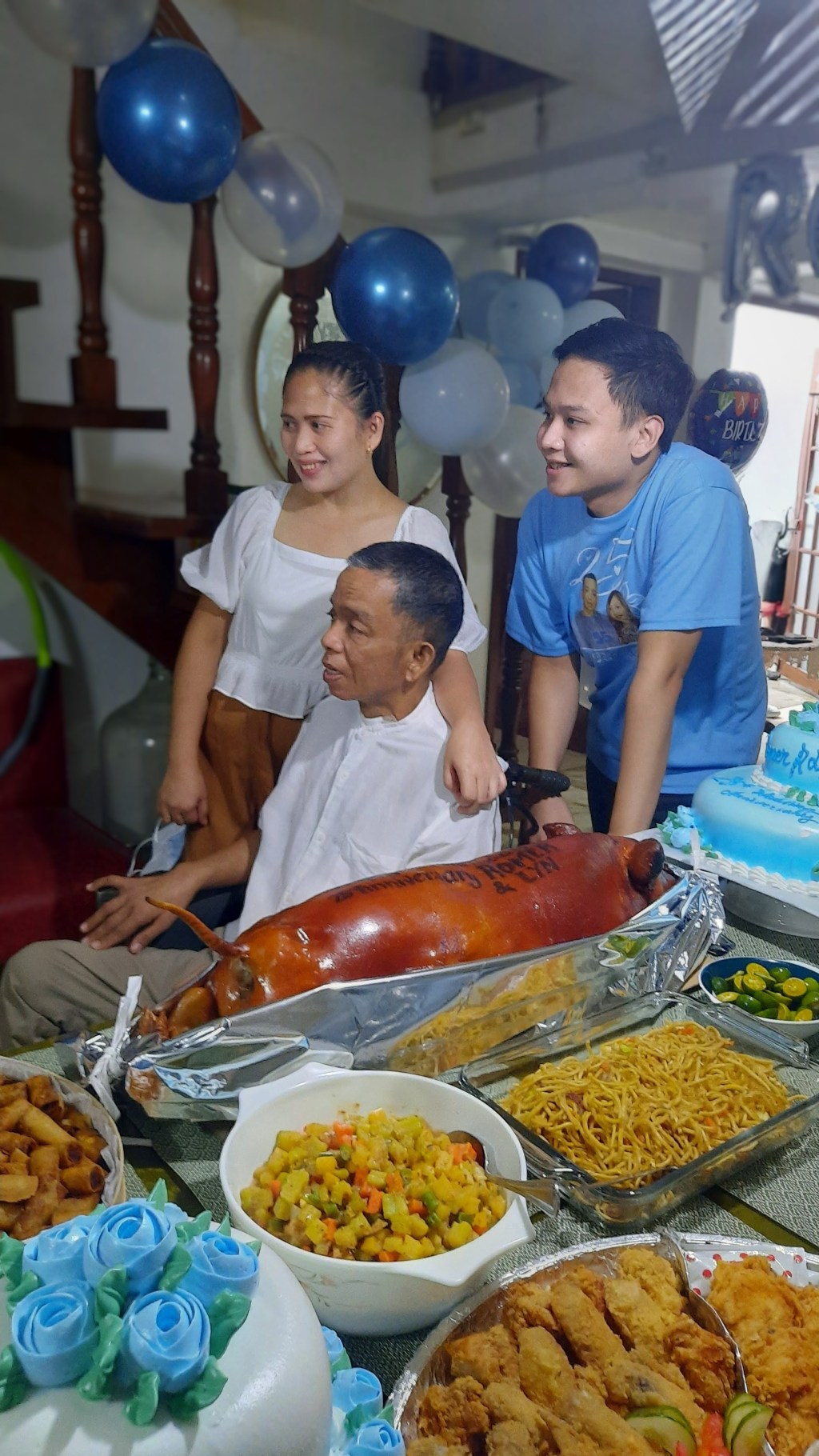
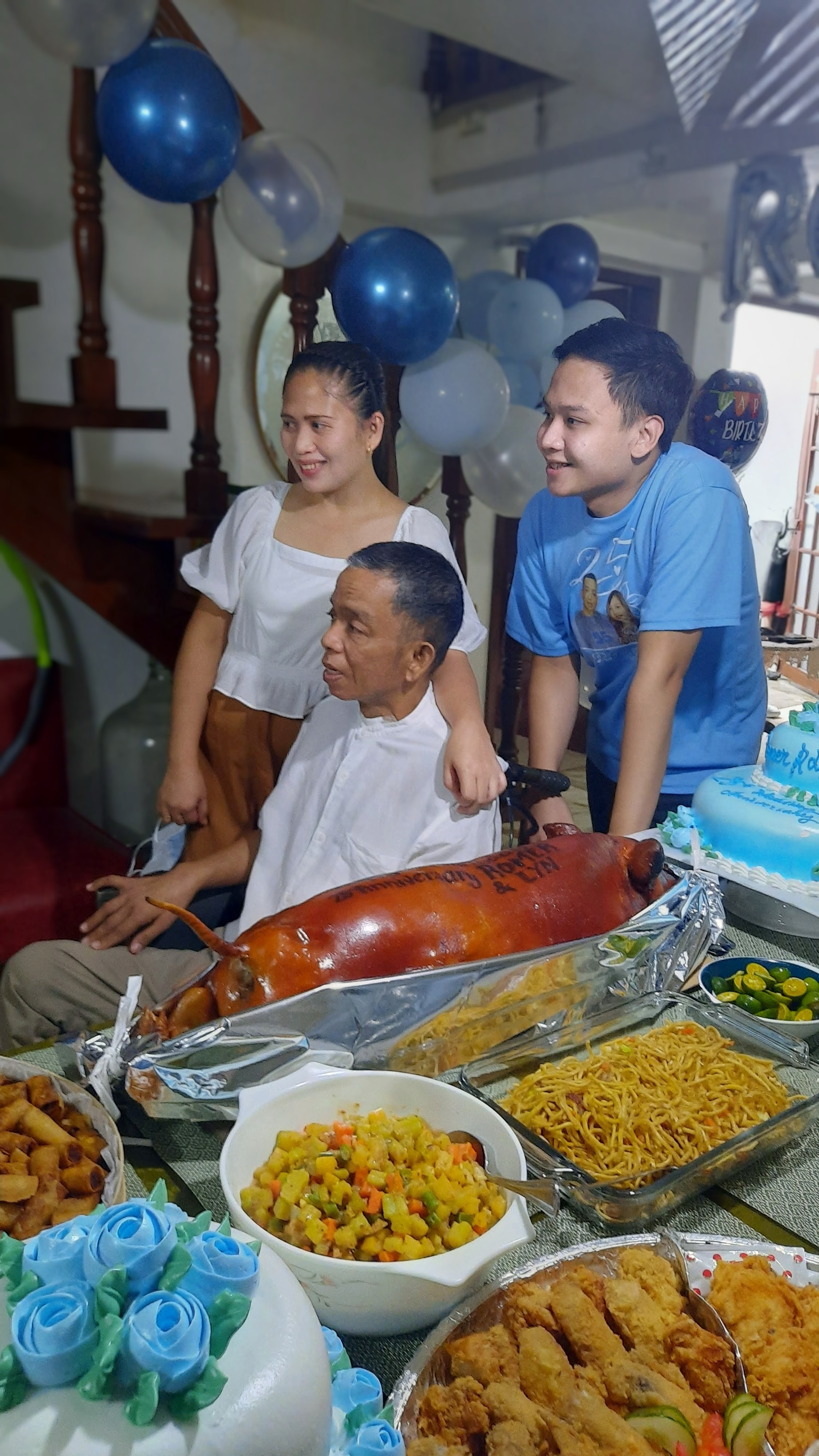
My aunt and mom arranged for the admissions for radiotherapy, the back-and-forth from Laguna to PGH for surveillance MRI, the multiple home laboratory tests. We went home to Laguna to celebrate every birthday and every holiday; my mom made sure to bring the balloons. Few hours of strength to keep laughing with family were countered by episodes of fatigue and pain. The zoom calls continued; the miracle we prayed for wasn’t for more days, but simply better ones. And the days, somehow, kept going.
.
And time
There comes a time when we can no longer see beyond the horizon, and we face the reality that the road has to end. The bouts of weakness became more frequent. Each cough threatened pneumonia, but we didn’t want to go back to feeding by tubes to prevent aspiration. The complications of prolonged immobility were catching up with him. Our shared goals were shifting to comfort.
And then a routine followup MRI dragged the fears into light: a few hundred words of jargon to say that the tumor was back. Chemotherapy, radiotherapy, another surgery –at this point, both evidence and reality offered no options for life-prolonging treatment. By the end of December 2023, I was asking referrals for a hospice and palliative specialist practicing in the south. I think the first teleconsult with Dr. Jeromel Lapitan followed a few months after.
During that very first admission, I have this worn out memory of Dr. Julette Batara, one of the first trained neuro-oncologists in the country, remarking that the prognosis was outright poor. She gave the general mark of several months, even five months, from the time of initial diagnosis. But Dr. Batara had given hope that for Filipinos, at least, the statistics can be skewed. Love and attention can give us more time. But five months passed, and then a year, then almost two years.
The in-between time felt so long that it now bleeds to the time after –as if, by closing my eyes, my Tito Romer would still be sleeping in his room in Nagcarlan, and my day, like any other day, would go on.
My uncle passed away last April 28 2024 at the age of 56 years old.

.

.
But I have lived, and have not lived in vain:
My mind may lose its force, my blood its fire,
And my frame perish even in conquering pain,
But there is that within me that shall tire
Torture and Time, and breathe when I expire.Lord Byron, Childe Harold’s Pilgrimage
 jari m
Say something back.