What is leprosy? How contagious is it? Is leprosy a disease of the sinful? Should you stay away from people with this disease?is leprosy a life-long condition?
Leprosy is a chronic progressive disease caused by the bacteria Mycobacterium leprae which can affect multiple parts of the body. Read on to discover the truth about leprosy, also known as Hansen’s disease.
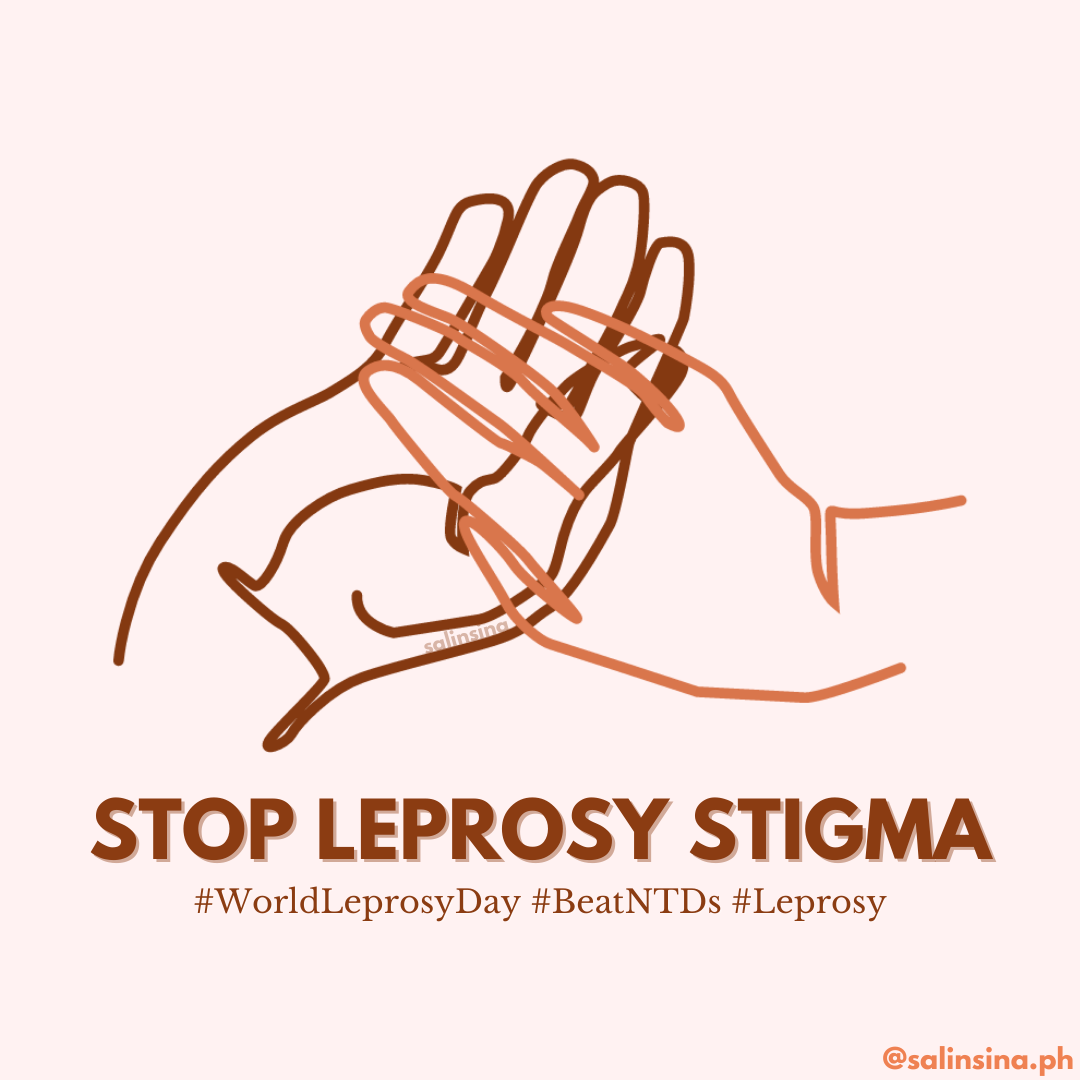
(1) Leprosy is considered a disease with low communicability. Though it is infectious, close and frequent contact with untreated cases is required for disease transmission. In other words, it is still possible to speak and interact with persons with leprosy, as long as there is proper precaution against respiratory droplets, which is the likely mode of transmission. #StopLeprosyStigma
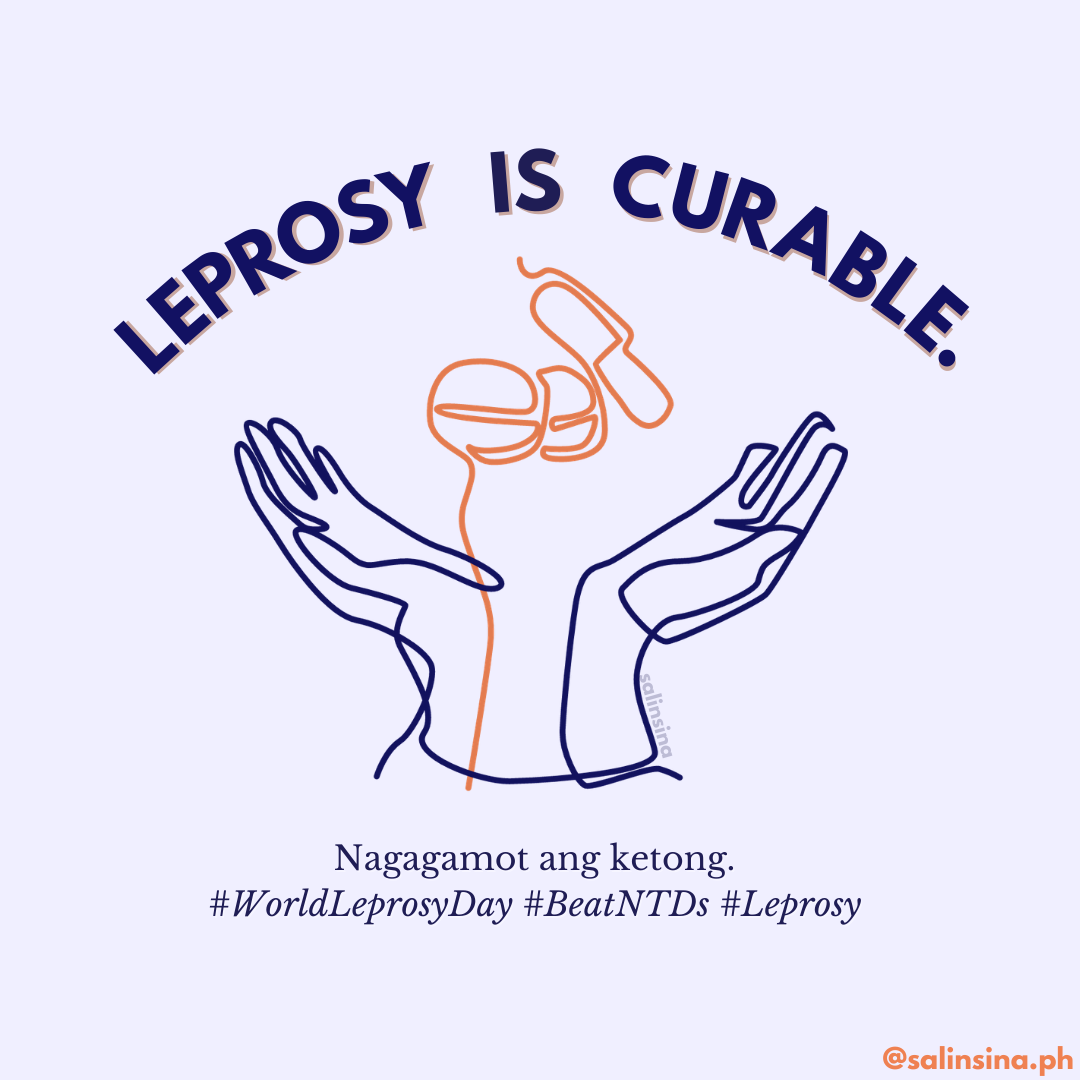
(2) The discovery of an antibiotic or drug to that can target the causative agent of leprosy, the bacteria Mycobacterium leprae, was a great advancement in the 1940s. Now, it has been proven that leprosy is a fully curable disease following multidrug therapy which usually l asts for six to twelve months. #LeprosyIsCurable
STAY UPDATED with Philippine Leprosy Mission
Ano nga ba ang Leprosy?
Ang ketong (kilala sa ingles bilang leprosy o Hansen’s disease) ay isang progresibong sakit na dulot ng organismo na Mycobacterium leprae. Sa loob ng maraming taon, maaring maapektuhan nito ang balat, mata, ilong, mukha, at mga ugat o nerves.
Madalas nagsisimula ang presentasyon ng sakit na ito sa balat. Maaaring magkaroon ng mga pantal na puti-puti o ibang kulay. Kapag ito ay hindi nabigyang gamot, magkakaroon din ng bukol-bukol, deperensya sa itsura ng mga kamay at iba pang bahagi ng katawan, pagkabulag, at pamamanhid.
Ang leprosy ay tinuturing na sakit na mayroong “low communicability”. Bagkus ito ay nakakahawa, para maipasa ang bacteria, kailangan ng matagal, madalas at malapitang interaksyon sa isang taong may leprosy na hindi pa nagsisimula ng gamutan. Sa madaling salita, maari pa ring kumausap at lumapit sa mga taong may leprosy, basta may tamang pag-iingat laban sa pagkalat ng droplets o maliliit na laway na siyang marahil nagdadala ng bacteria. #StopLeprosyStigma
—
Leprosy, known as Hansen’s disease or locally as ketong, is a chronic and progressive disease caused by the bacteria Mycobacterium leprae. Over the course of many years, this disease can affect the skin, eyes, nose, face, and nerves.
The disease usually begins to present as discolored or whitish patches on the skin. If leprosy is left untreated, the patches may progress to formation of bumps, nodules or disfiguration in the hands and other parts of the body, as well as blindness and numbness.
Leprosy is considered a disease with low communicability. Though it is infectious, close and frequent contact with untreated cases is required for disease transmission. In other words, it is still possible to speak and interact with persons with leprosy, as long as there is proper precaution against respiratory droplets, which is the likely mode of transmission. #StopLeprosyStigma
REFERENCE: World Health Organization (WHO)World Health Organization Philippines
Nagagamot ba ang Ketong?
Mula noong unang panahon hanggang sa huling siglo, marami na ang naging maling akala ukol sa sakit na leprosy. Dati itong tinuring na marka ng kasalanan o kahirapan. Pati ang larangan ng medisina ay nahirapang tuklasin ang wastong gamot sa leprosy.
Noong 1914 hanggang 1921, ang Culion, Palawan ay naging pinakamalaking leprosy colony sa buong mundo. Sa islang iyon sapilitang nanatili at “ginagamot” ang mga taong may leprosy. Panghabang-buhay sila hiniwalay mula sa lipunan. Dahil hindi pa matutuklasan ang angkop na medisina, hindi ito naging matagumpay sa pagtanggal ng sakit na ito mula sa bansa. Nilalayo rin ang mga nagiging anak ng mga bilanggo sa Culion upang hindi sila mahawa sa kanilang magulang.
Naging magandang balita ang pagtuklas sa antibiotic or gamot na nakapatay sa Mycobacterium leprae na siyang sanhi ng leprosy o ketong noong mga taong 1940s. Ngayon, masasabing maaaring gumaling ng tuluyan mula sa leprosy, salamat sa “multidrug therapy” na madalas tumatagal ng 6 hanggang 12 buwan. #LeprosyIsCurable
—
From ancient times to the 20th century, there have been many misconceptions about leprosy. It was previously considered a disease of the poor or the sinful. Even the scientific and medical fields found difficulty in finding the correct treatment for this condition.
The leprosarium in Culion, Palawan was regarded as the world’s biggest leper colony in the world from 1914 to 1921. Men and women with leprosy were forcefully abducted then “treated”, as well as isolated from the rest of society for the rest of their lives. Because the appropriate treatment for leprosy was not yet known at that time, the leper colony was unsuccessful in their goal to eradicate leprosy in the Philippines. Even the newborn children of the Culion inmates were taken away from their parents and brought to Manila to reduce chances of infection.
The discovery of an antibiotic or drug that can target the causative agent of leprosy, the bacteria Mycobacterium leprae, was a great advancement in the 1940s. Now, it has been proven that leprosy is a fully curable disease following multidrug therapy which usually lasts for six to twelve months. #LeprosyIsCurable
REFERENCE: leprosyhistory.org
Back to page: For Patients and Partners in Care
 jari m