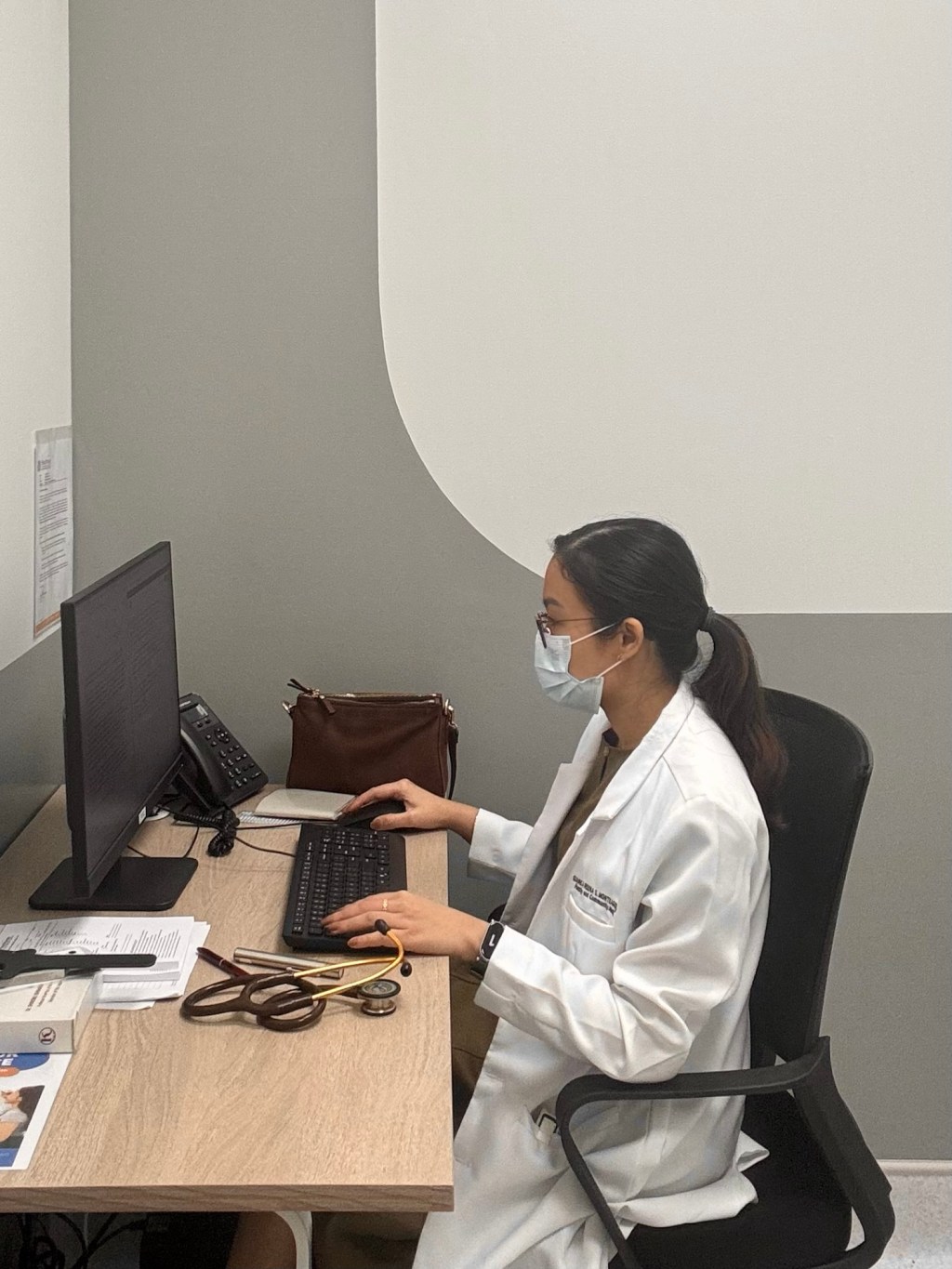
The alternative title of this post is “shower thoughts while practicing medicine”. The vibe is self-explanatory.
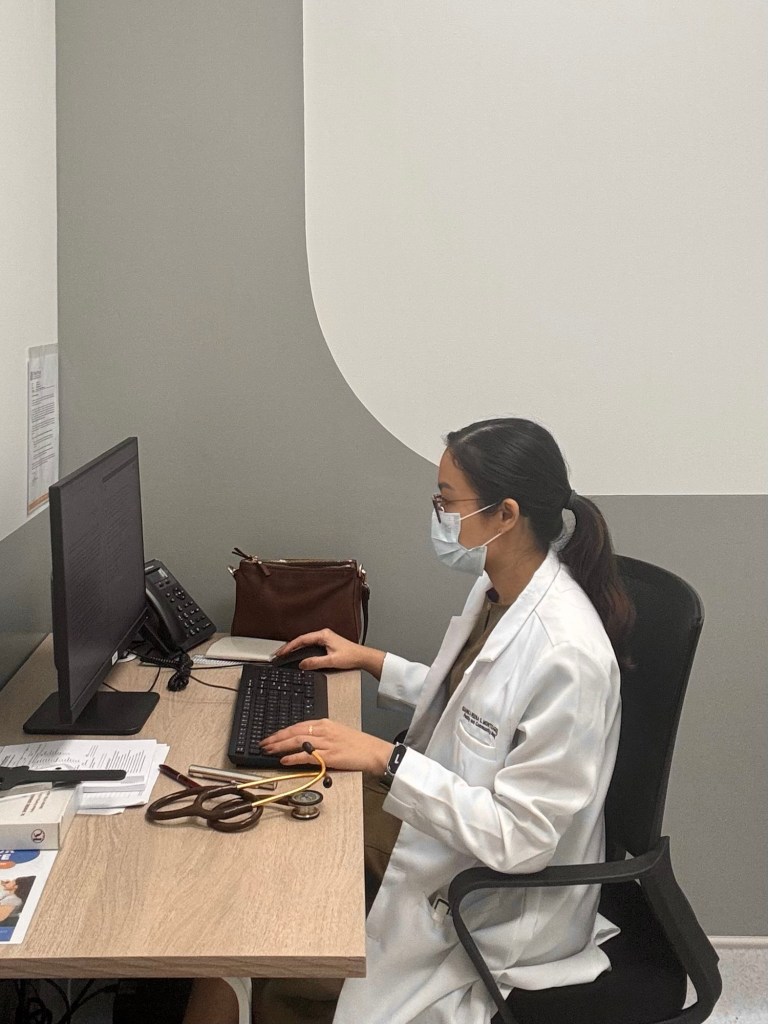
Where do you get the energy?
In medical school, I remember learning the importance of a strong physician-patient relationship, particularly in the Filipino context. There was repeated emphasis on ensuring patient encounters are human-centered and non-transactional, as this improves health outcomes and strengthens the patients’ long-term relationship with the healthcare system as a whole. Later in Family Medicine training, we expanded on this with the Rogerian Therapeutic Triad (genuineness, empathy, and unconditional positive regard) and the maintenance of families as therapeutic allies.
Now, as a practicing consultant, I wonder where my energy went. I see anywhere from 5 to 30 patients in one day. In those encounters—which can last anywhere from 15 minutes to 4 hours, depending on the case—I get to know them fairly intimately. I remember their names, get an idea of their family dynamics, and deeply understand the circumstances that brought them to the consultation room.
Multiply that level of depth several times throughout the week. I learn, use, remember, then forget the details of upwards of fifty individuals and their families as they go in and out of my work life. That’s kind of crazy, and it’s probably unique to primary care practitioners. The trick lies in setting boundaries, remaining professional, and never bringing home any work. But still, it can get pretty tiring to turn up with a smile (behind the mask) and truly exhibit attentive care.
Who and what and why are HMOs?
I never really thought about Health Maintenance Organizations (HMOs) during medical school. They were discussed in passing in the context of health systems, under the umbrella concepts of out-of-pocket costs and private insurance.
But now they’re everywhere, and the way they impact care extends far beyond financial access.
I’ve had ER patients delayed at the triage level because they can’t confirm if their card has coverage for the hospital I work in. I’ve had outpatient, non-urgent consults delayed for almost three hours because no one at the HMO was answering the phone regarding coverage. These patients then come into the consultation room already feeling several degrees worse than when they arrived, because no one likes to wait, especially not people who are sick.
Aside from the waiting time, HMO approval also somehow dictates the extent of accessible care—some assessments aren’t covered at all, while certain procedures are only partly covered. Patients will then suddenly refuse diagnostic or therapeutic interventions that would have changed their management or expedited recovery. As a care team, it’s surprising to witness these sudden limitations of practice, and in some memorable experiences, even be somehow blamed for them.
Not to mention the extent to which HMOs fail providers. I’ve seen many posts from more experienced colleagues sharing the failure of HMOs to disburse payments on time, with delays extending up to two or three years. My current setup makes it easy to collect HMO receivables through clinic administration, so thankfully, I haven’t run into this problem yet.
The wrong lesson I’m learning here is to simply find work in a good company with great health benefits (I can name some HMOs, mostly corporate-managed, which are less of a headache to deal with). But the real lesson is how painfully underserved we still are as Filipinos. A functioning PhilHealth would be able to successfully reroute resources to cover most needs, instead of providing the pittance it currently does.
When will I need to know the net ATP generated in the Krebs Cycle?
The answer is probably never.
Do you really need an ophthalmoscope?
At some point in medical school, you will be tempted to buy your own ophthalmoscope and otoscope set. I say: resist that urge, and just borrow from a more well-off batchmate (or at least someone aiming for ophthalmology as a specialty).
Fundoscopy is recommended for select patients at point of care contact –such as diabetics on first diagnosis, patients with chronic hypertension, and anyone with eye complaints. But as a primary care practitioner, if I suspect retinopathy or want to screen for it, the reality of practice is a direct referral to a friendly ophthalmologist. I’d rather the patient get a fundus photo and initial co-management in case laser therapy is needed later on.
But some things do make sense to buy for regular use: a high-quality stethoscope, an otoscope, a rechargeable dual yellow-and-white penlight, and even a 512 Hz tuning fork (if you’ll be doing periodic health examinations, some of which strangely still ask for a tuning fork test).
Something else they don’t teach: what to do with your many white coats, embroidered with your name and the seal of your school. These are eventually replaced by another set with the seal of your residency hospital, followed by even more sets for the clinics and hospitals of your consultancy work. The embroidery and patches can be impossible to unstitch. These uniform standards hardly consider environmental impact, and no one really explains how to upcycle them afterward.
What does the Philippine Medical Association do?
My only recollection of hearing about the Philippine Medical Association (PMA) in medical school was seeing the organization as a credential attached to the names of guest lecturers.
It’s been almost ten years since I started medical school, and I still wouldn’t be able to correctly describe the PMA. I had to search their mission and vision as I wrote this, and fair enough—”unifying physicians in acquiring the highest level of medical knowledge and skills, promoting the healing ministrations of physicians.” And sure, that seems to be the case with the local chapter invites to webinars and conventions.
But aside from asking for yearly financial dues—which I have to pay to get a certificate of good standing, which in turn I need for job applications, retention, and other credentialing—I’m not so sure how the PMA is enacting its mission in the “promotion and defense of the rights and privileges of the Medical Profession.” If anyone knows, let me know.
Consultation fees (especially those under HMOs) can still sometimes run below PHP 500 per consult, and retainer fees for Family Medicine specialists are also still at PHP 450/hour or less in many places. Maybe they can start there.
Until next time! ♥


Say something back.