
.
In this career-related blog post:
👉 Bringing back Family Day to the residents and patients of the Family Medicine Clinic
👉 Growing through mentorship, interdepartmental meetings, counseling sessions, and big girl responsibilities for the 42nd Annual Postgraduate Course
👉 Waxing poetic about the last few months of residency
For more posts on residency, follow this tag here.
World Family Doctor Day 2024
Building relationships of trust with our patients and their families is at the core of our practice in the clinic. We try not to be so transactional. Our consults can revolve around their lives, and the ways their experiences intersect with their access to care.
Family day –comprised of a lay forum, some games, free food– used to be held around December every year. But it made more sense to move it to the month of May to coincide with the global celebration of family physicians. World Family Doctor Day (WFDD) occurs annually on May 19.
Our WFDD celebrations in 2022 and 2023 were geared more towards us as staff through fundraising activities and get-togethers. Without the looming threat of another COVID-19 outbreak, we opened our doors to spend time with our patients.
It was really fun. (Maybe a little bit stressful to organize).
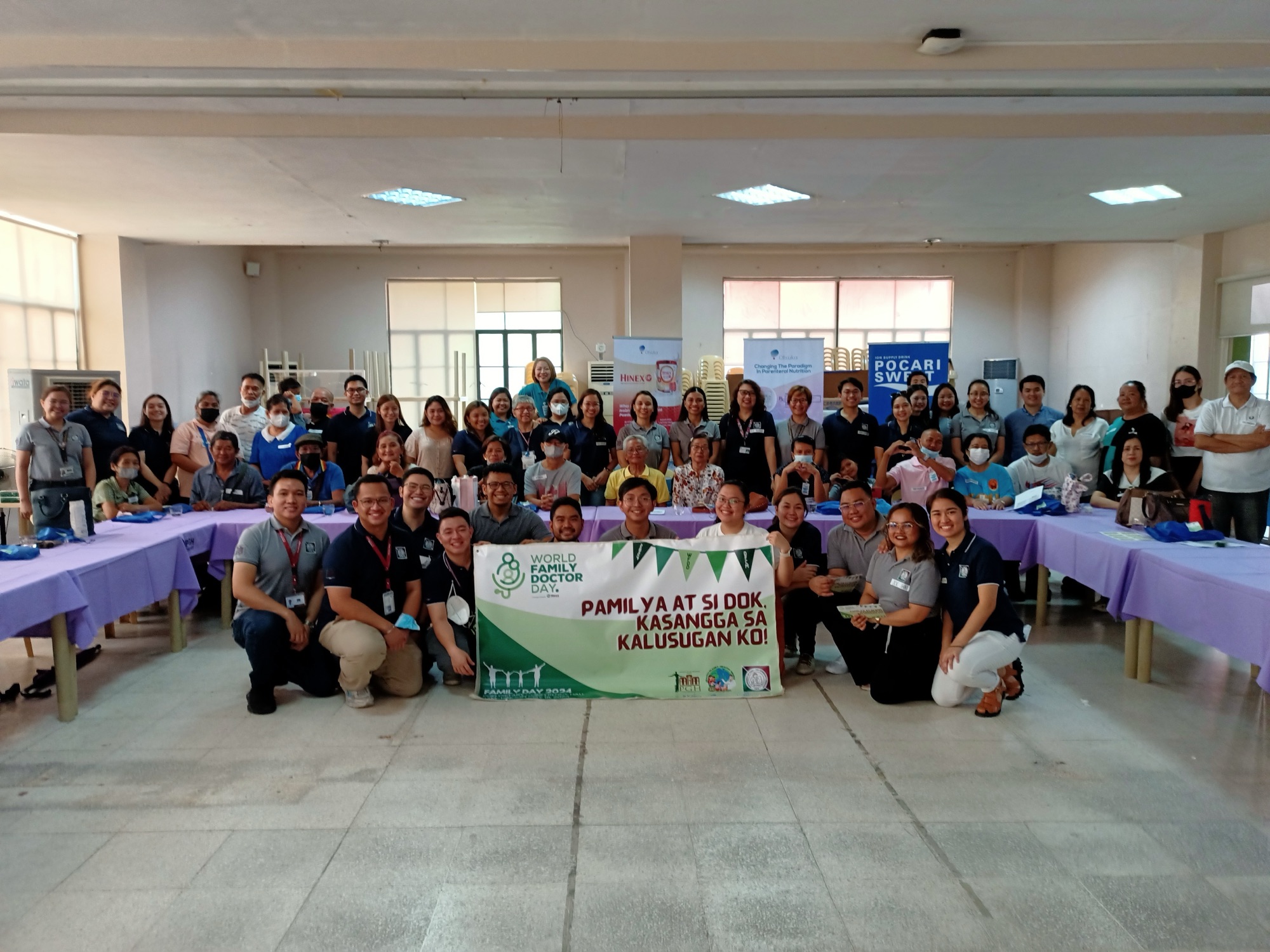
We only invited around 15 families total. Hopefully, the success of this activity will help us open our doors even wider next time.
.
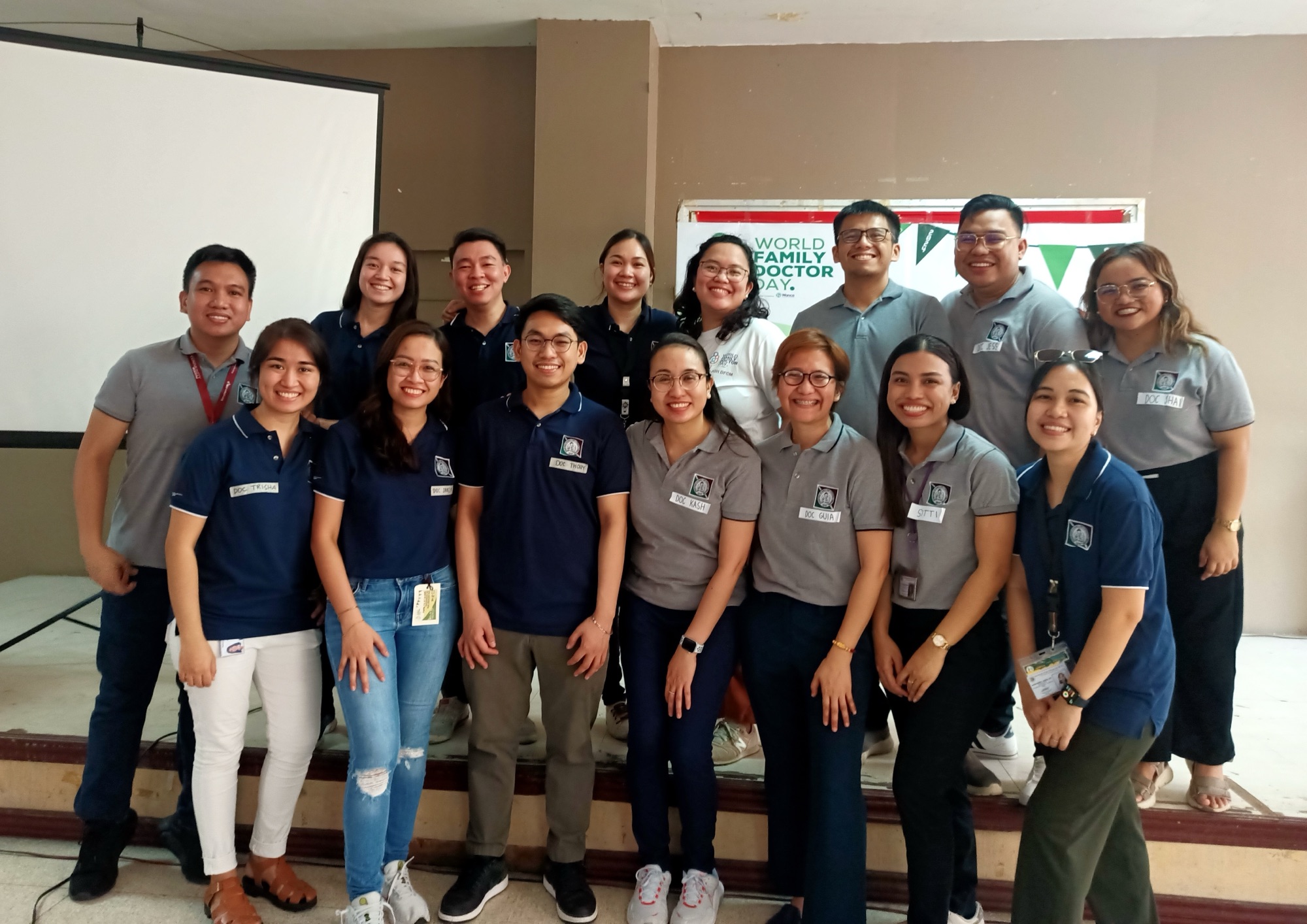
.
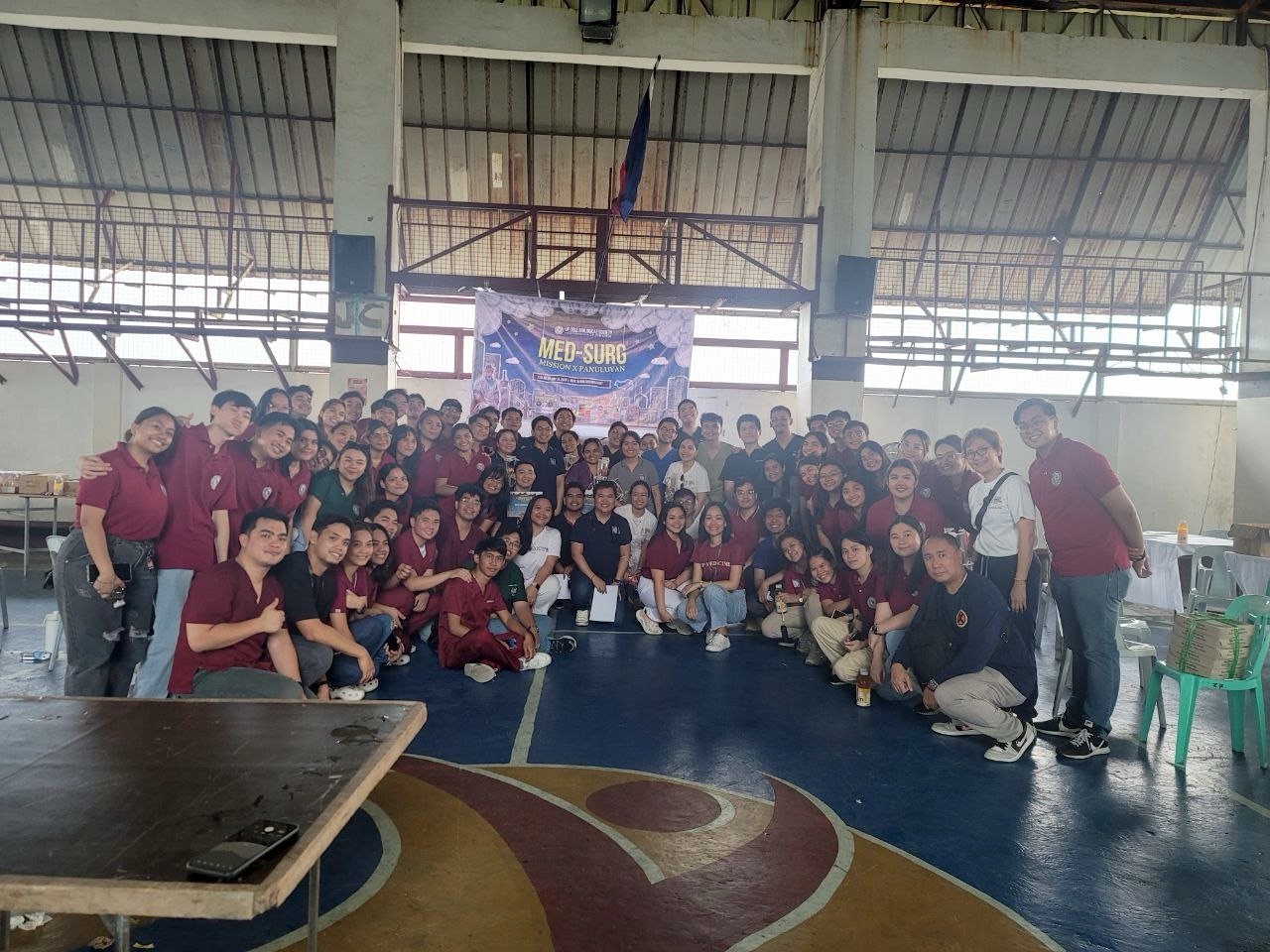
Our celebration of WFDD fell on a Saturday. The next day, we extended our commitments even further with a medical-surgical mission in Cavite. (It was a very busy weekend.)
That was only the second and second-and-a-half time I did circumcision. Honestly: once is enough.
.
It’s been five months since we pulled off WFDD. It was only a half-day event for a short list of participants, a career talk and a surprise mission, but the successes felt promising. It was like a teaser to the many other things we got to put together throughout the year. Looking back with only three months left to 2024– how did we pull most of them off? #TeamworkMakesTheDreamWork
Growth groups and generations
I don’t remember being this introspective about growth when I was in medical school. Or maybe I was? The closer interactions between junior and senior, as a natural consequence of a shared working space, are setups for internal confrontation. How far have you come? And conversely, how far can we still go?
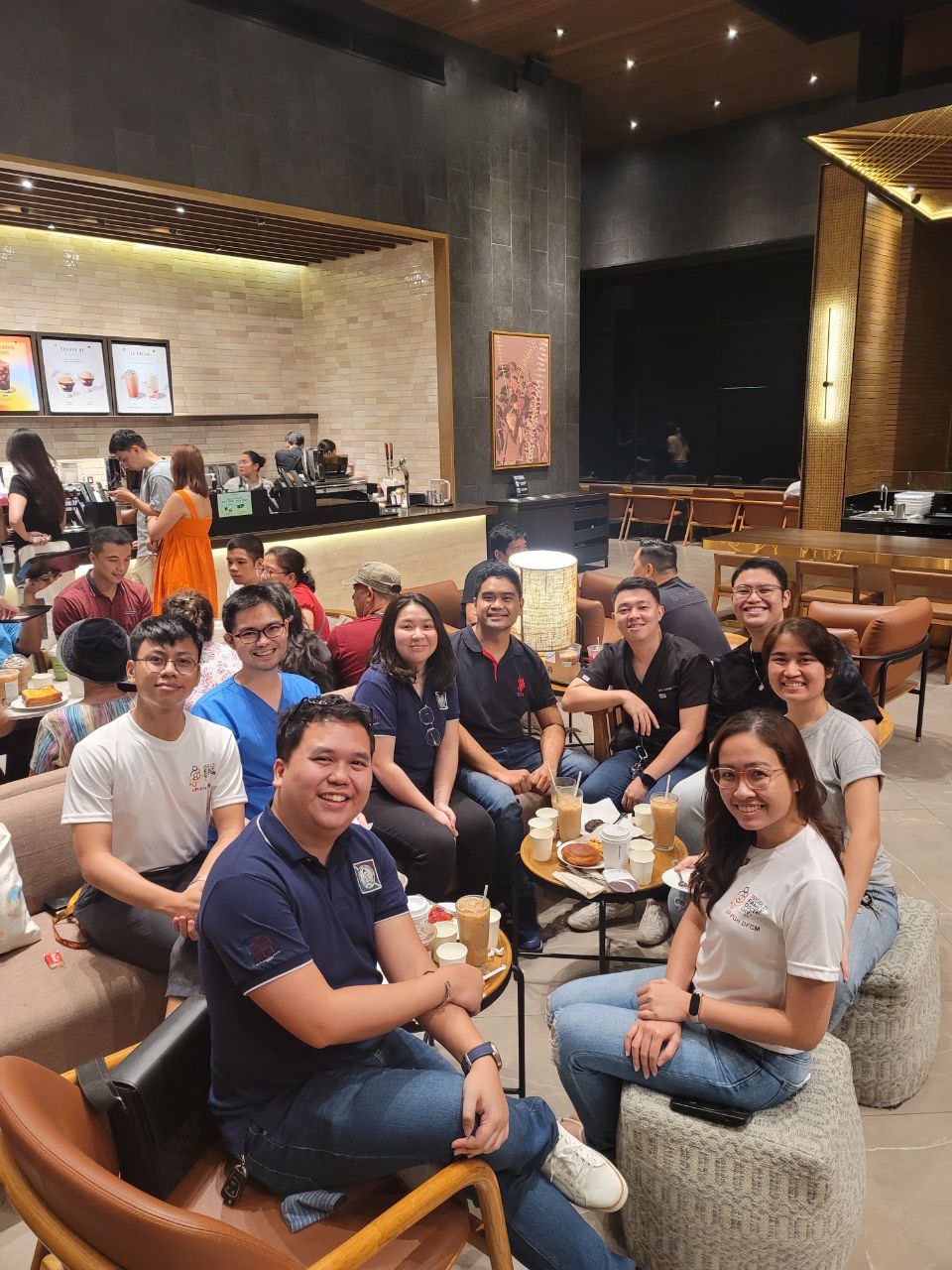
.
The service areas and priorities of our department change year after year. Sometimes even every quarter or month. For example: the Ambulatory Care Unit of the ER only opened a few months into my first year. Then Pay ER only opened when I was a second year. And now, the PGH Multi-Specialty Building, PGH Clark, the hospice half-way house, and other exciting units creep in the distance.
I can only describe the Department of Family and Community Medicine as ever-changing, and its staff pluripotent cells capable of many different tasks. For better or worse.
But despite all the change, some things remain the same.
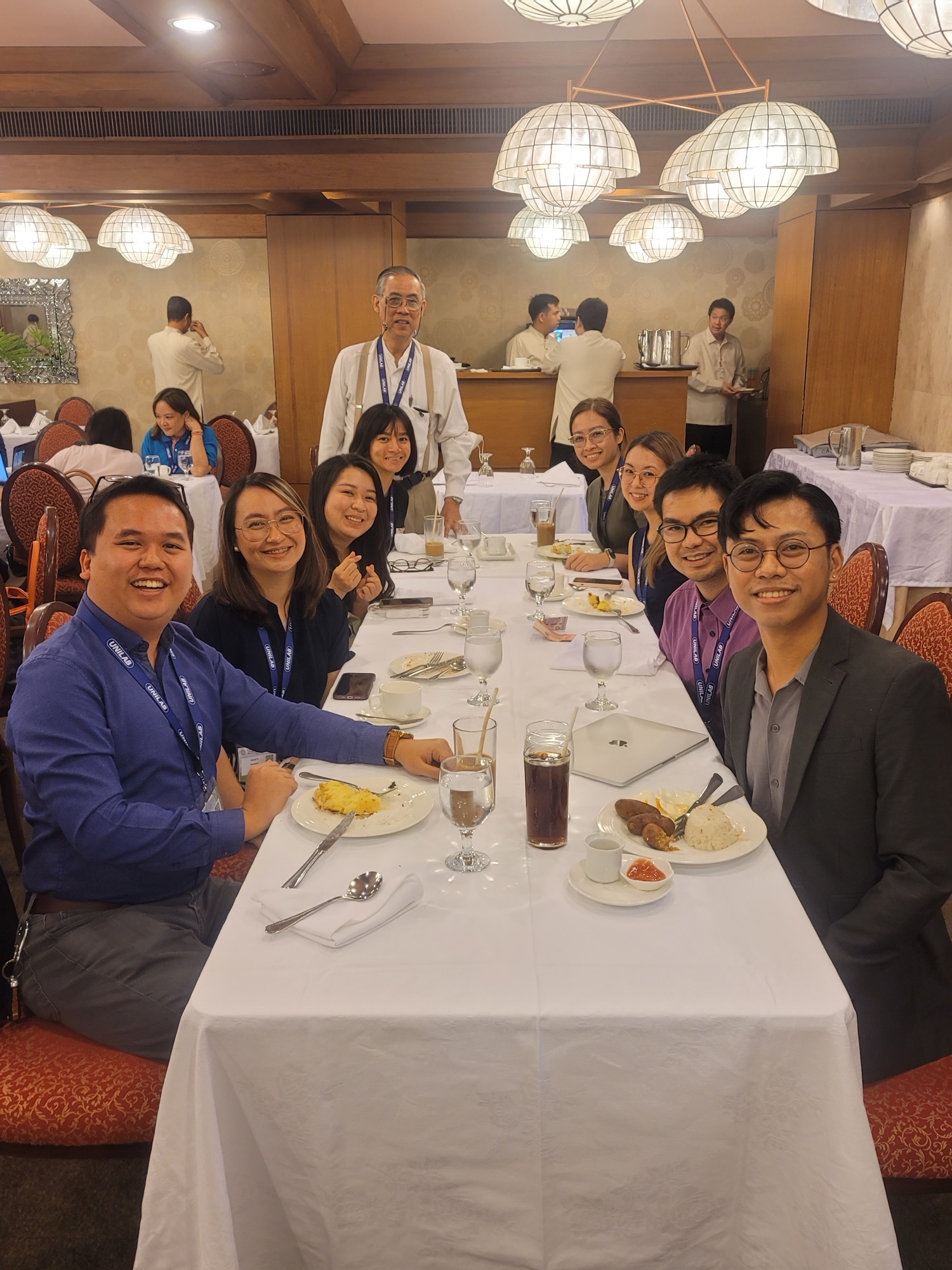
.
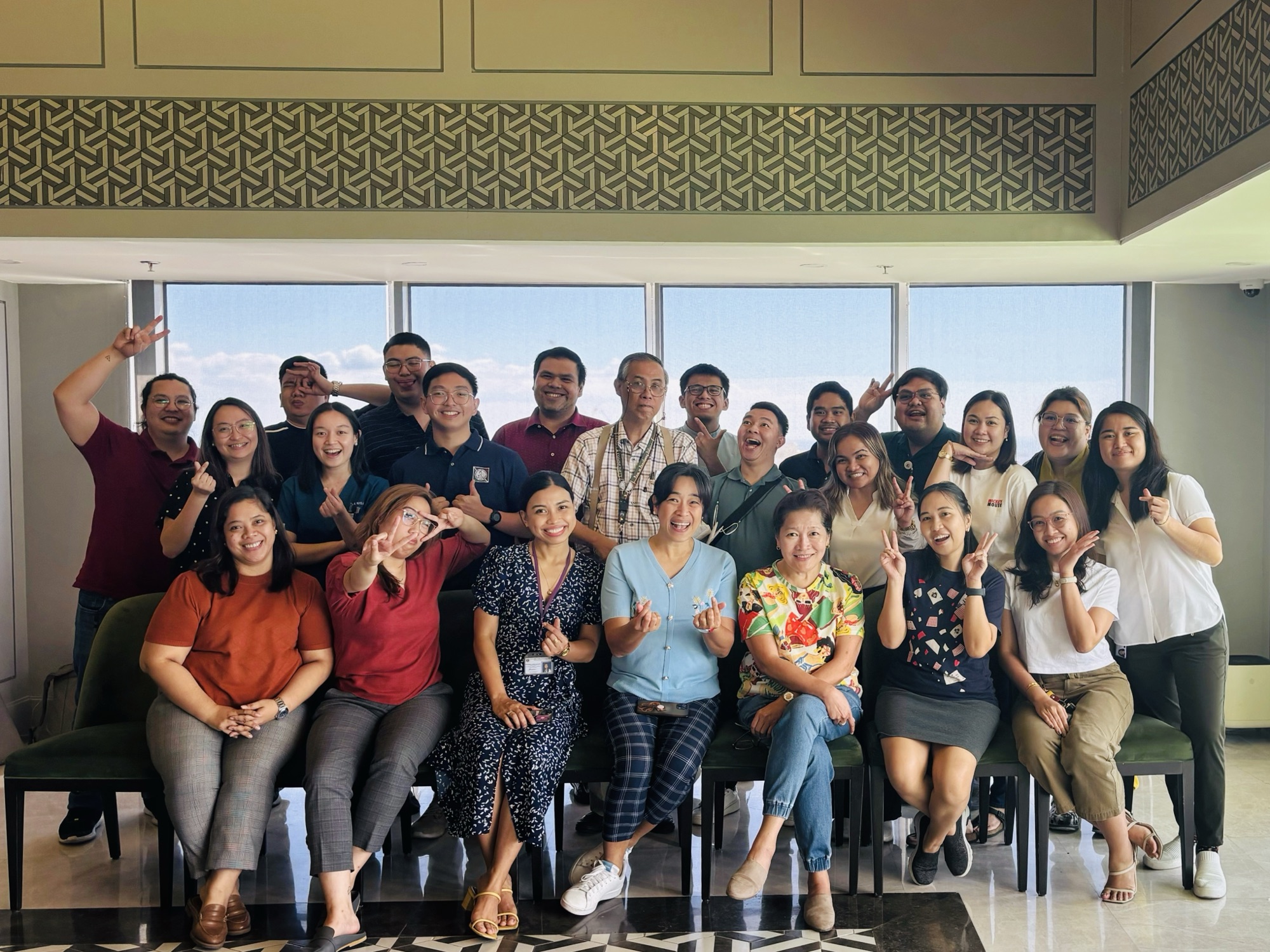
.
I firmly believe that growth happens through intentional experiences and seemingly insurmountable challenges. But rest —those casual moments in between, the quiet of solitude, and the comfort of the usual and the mundane —that’s essential for growth too.
Meetings, agendas, synergy
Nothing says “third year resident” like attending more meetings! While first year residency is geared towards direct patient care, and second year residency exposes us more to other specialties and fields of practice, third year residency is DFCM is focused on administrative and managerial tasks.
Clinic audits and interdepartmental meetings are some of the ways we exercise our management skills. And honestly, looking at the other programs here in PGH —I’m proud of our department’s philosophy of having dedicated modules for Leadership and Management from first year to third year. The execution might not yet be perfect, but the clear effort towards honing practical leadership skills can’t be underestimated.
During and after my rotation in community medicine, I’ve been thinking about the competencies of management that health system leaders just aren’t trained in… We put general practitioners who are trained in clinical skills in positions where systems-thinking is necessary, from physician-managers of small health centers to large infirmaries. Right now, the only remedy is requiring hospital administrators to have a master’s degree in public health or administration, but that’s only after the fact. And that’s also not required for Municipal Health Officers… We can do more like integrating this in our basic medical curriculm. Once again: grateful for my MD and my MBA. #ASMPH
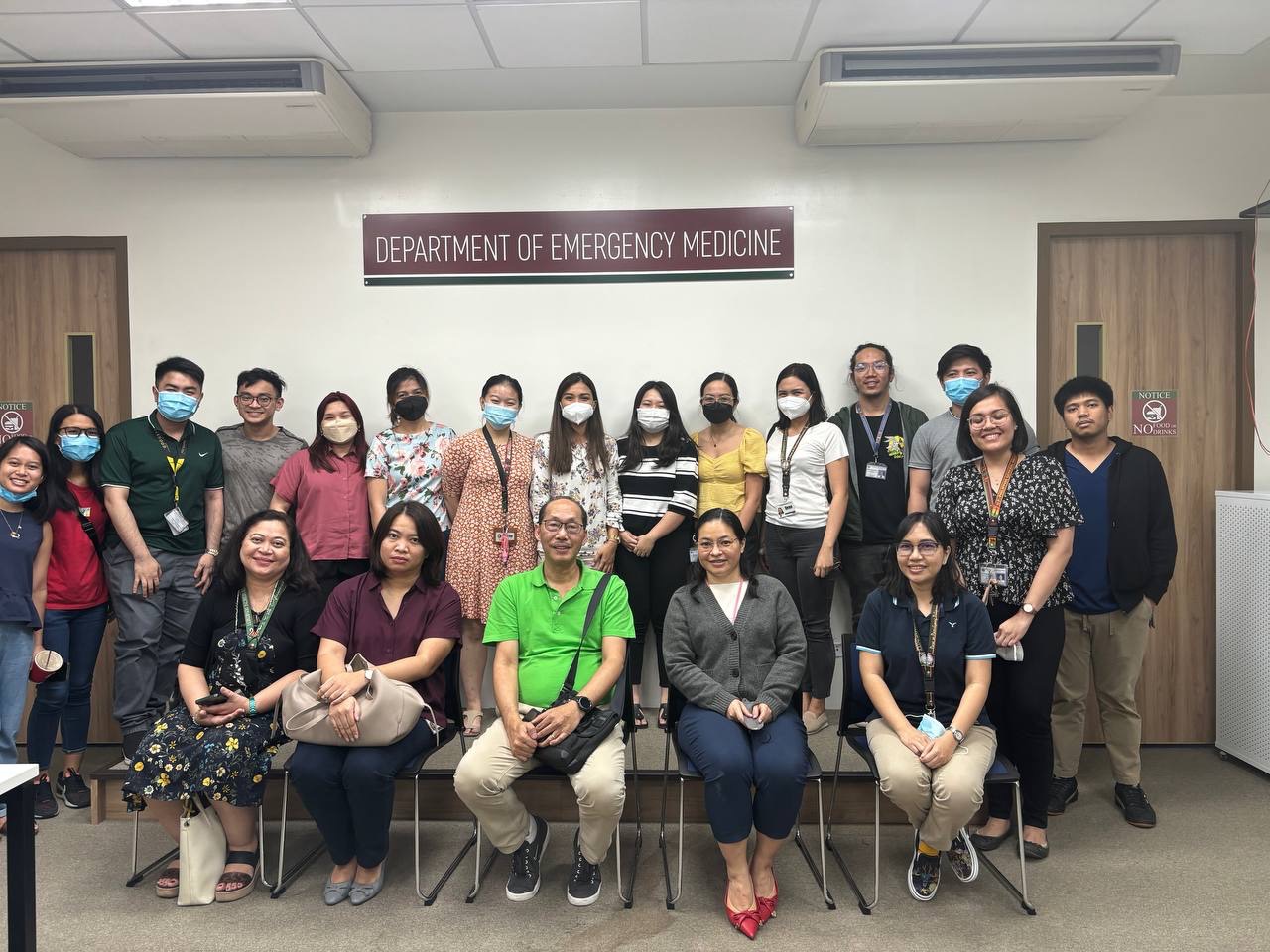
And it’s also really nice to see that people can actually speak calmly about issues without resorting to raised voices or passive-aggressive behaviors (which are all too common when you’re on actual duty).
.
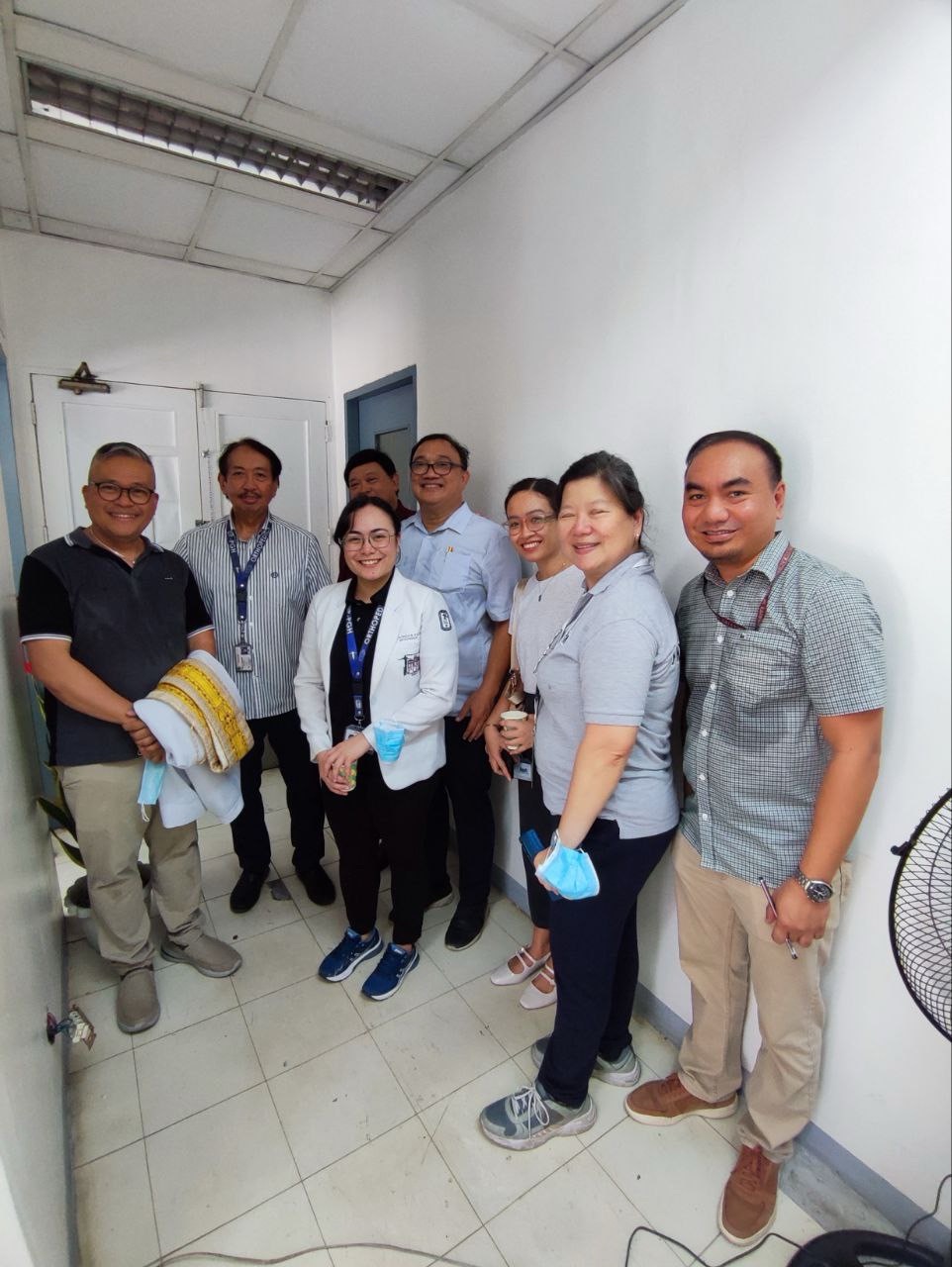
Of course, the role of Family and Community Medicine still has to be strengthened, but I truly believe we have a role to play in providing continuity of care to our patients in the community, and in providing assistance and guidance to families going through serious illness in the elderly.
.
And sometimes the meetings aren’t always so patient-centred. Since the latter half of second year, my eyes have slowly been opening to the world of private practice. It’s a tough concept to digest, and I won’t go into the details here —suffice to say I’ve been to more product presentations and meetings with pharmaceutical representatives than I thought I would when I entered residency in a public hospital…
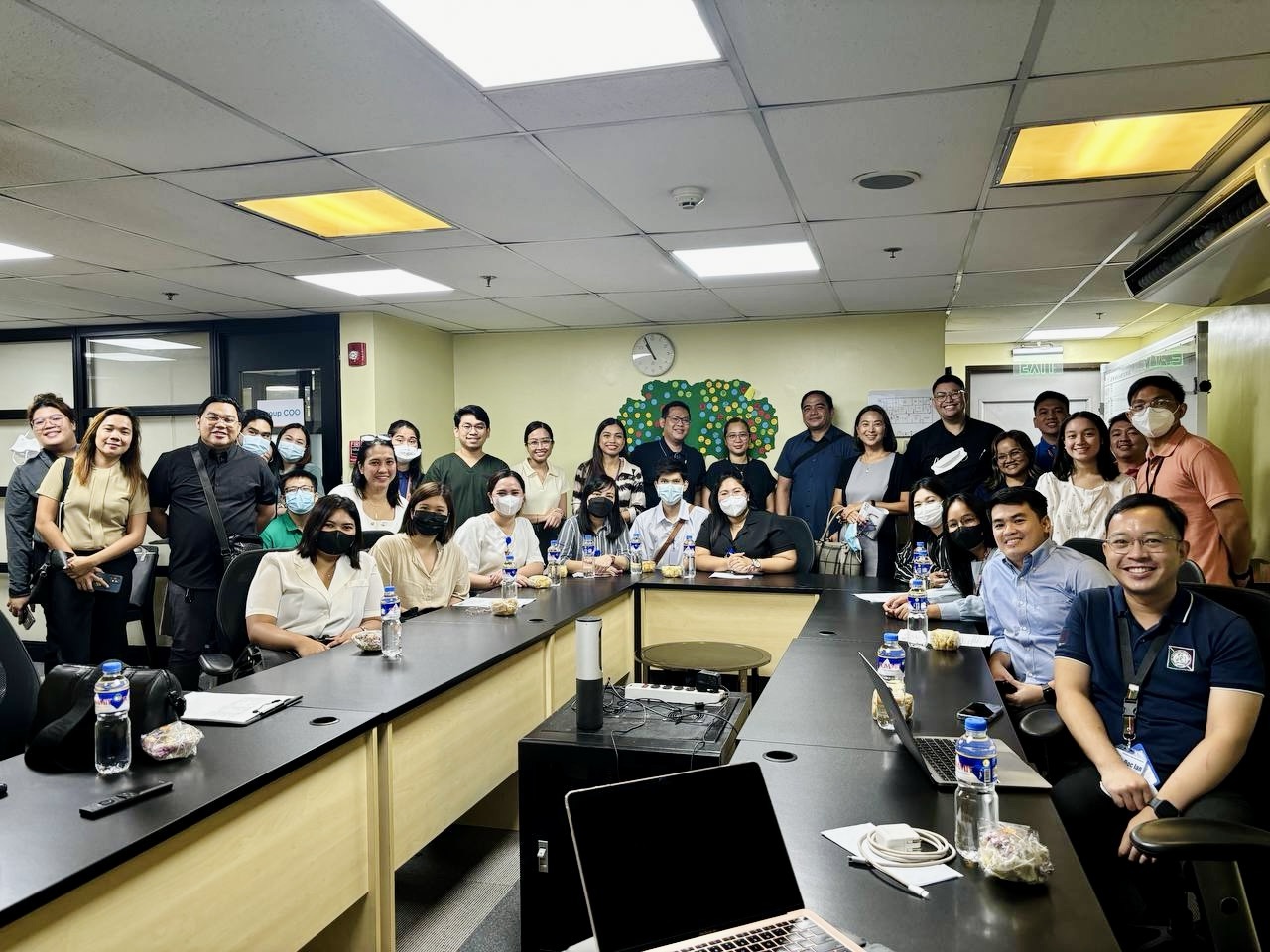
All those letters, mass e-mails, cold calls, and Excel formulas… worth it.
SMART: Sustainable, Multidisciplinary, Accessible, and Responsive Transition to UHC — the UP-PGH DFCM 42nd Postgraduate Course
Something obvious they don’t tell you in medical school: when you graduate, you still have to continue learning. Literally, the decision to become a doctor is a journey of life-long study. What you learned in a plenary lecture five years ago can be completely overturned by new research.
It’s not always so drastic, but medical and health system updates regularly happen. To ensure competency (and to keep your license ready for renewal), all physicians have to undergo continuing medical education. Seminars, conferences, and other courses have an equivalent of continuing professional development units.
The PGH-Department of Family and Community Medicine has been holding annual postgraduate courses since near its beginning. We’ve never been this ambitious, though.
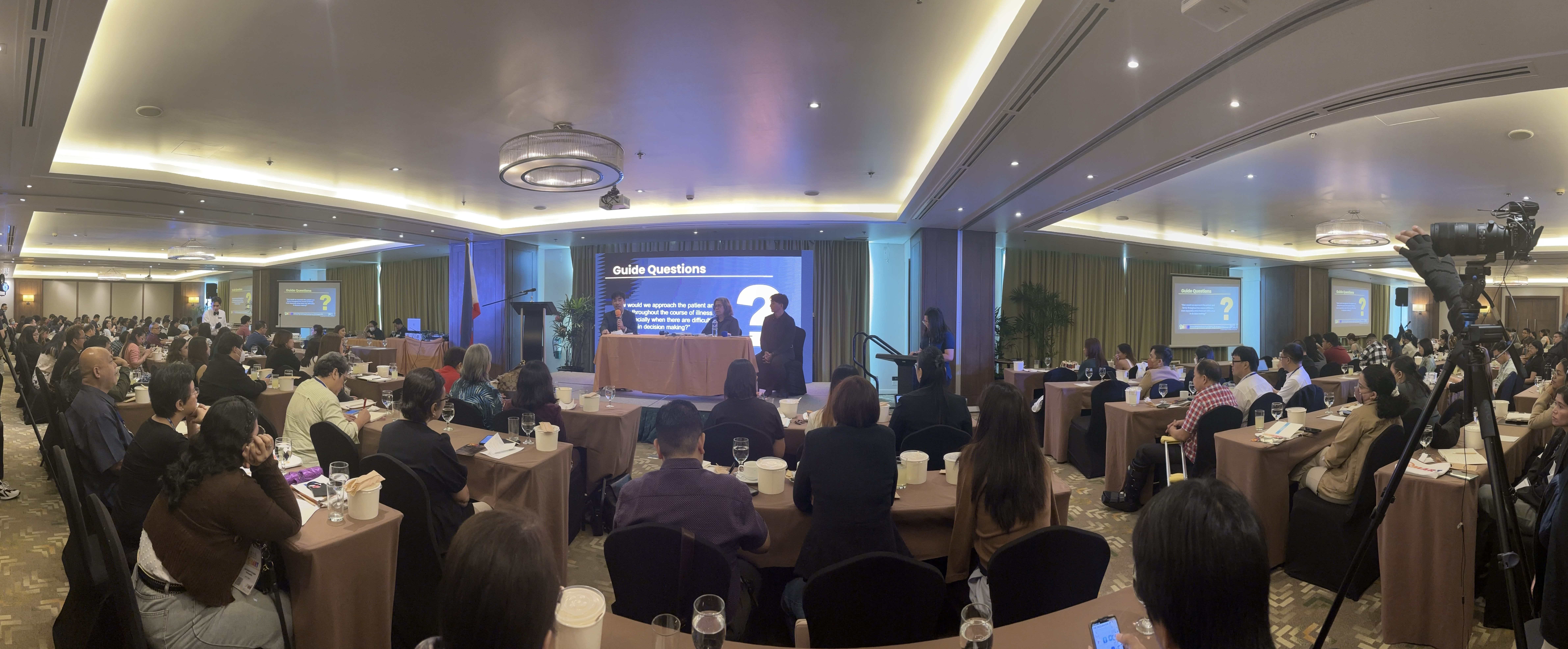
Big thanks to Hotel Benilde for hosting us, and to our organizing committee consultants for saying yes to the LED screen. Doesn’t it look great?
Our topics for the first day ranged from updates on mental health, the spectrum of care for heart failure, to workshops on asthma management, critical incident narrative writing, and using POCUS.
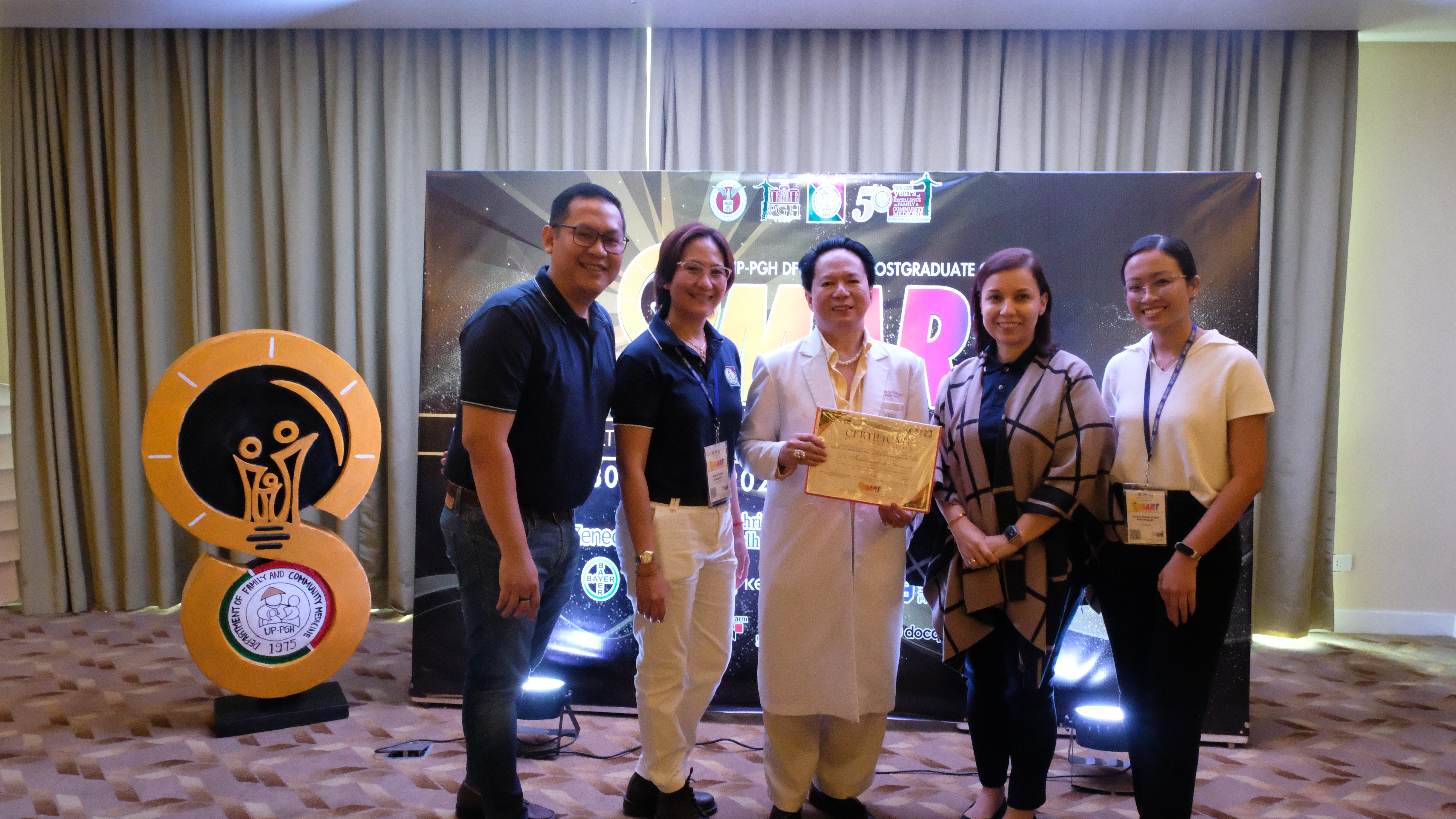
This also marked the first time I helped facilitate a session for a postgraduate course.
.
Between our first and second day, we also hosted our Fellowship Night for DFCM residents, consultants and alumni. This was also the moment for the formal unveiling of our 50th year anniversary logo, which honestly looks so nice.

.
Even until the very last session of our second day, the house remained jam-packed. The topics remained interesting: our multidisciplinary team initiatives, the integration of private practice in the context of UHC, and the realities of community medicine.

I feel a little old writing this blog post. Or I feel very grateful? It’s a little incredulous to think we’ve gone through so many experiences in the span of six or so months… It truly never is just about clinical practice when it comes to Family and Community Medicine residency. You can end up doing anything and everything.
The next three months will hopefully be a little more relaxed, as we transition to different roles and look forward to new adventures. But I doubt it.
Up next on blogging residency (hopefully) ▶️ Bringing health closer to the people (through community medicine and research).
Until next time! ♥
 jari m
Say something back.