The third week of July marks the National Disability Prevention and Rehabilitation Week in the Philippines. It’s a good time as any to share my humble encounters with the Deaf community.
Learning to Sign with DeafEd Training
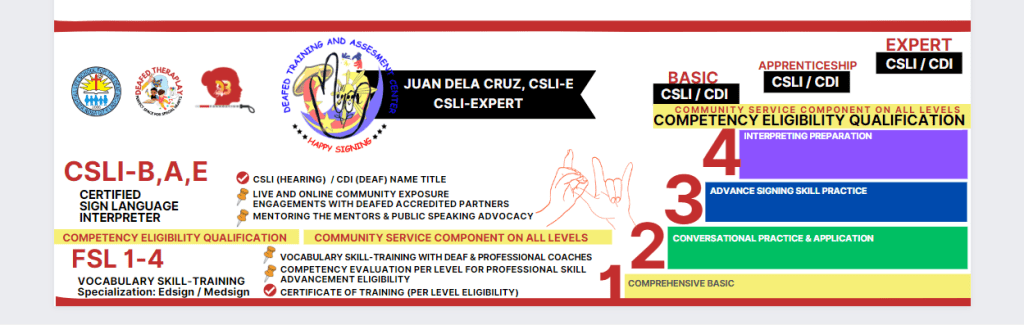
DeafEd Philippines is a Batangas-based organization dedicated to end the language barrier by providing advocacy work to the Deaf community and advocates. Aside from offering courses on Filipino Sign Language (FSL) and ongoing certification of sign language interpreters, DeafEd also provides special training on Medical Sign Language and Educational Sign Language for professionals.
I’ve always been interested in learning FSL and MSL. Several encounters with patients who were deaf or hard of hearing (especially in the elderly population) feed into this sense of frustration —personal and systemic. And even outside the clinical environment, it just seems so unbelievable that there are cultures and opportunities and services that are still inaccessible in this day and age. Hello, it’s 2023???
Read here: Just another day at the clinic
*Of course, a clinician learning how to sign won’t really help if the patient also doesn’t know how to sign. More arguments for systemic interventions et cetera.
When I came across a Facebook ad offering an eight-session course on the basics of FSL and MSL, I immediately took the opportunity. Both my work schedule and self-development budget agreed with me. I was on the road to step 1 (comprehensive basic).
.
Visit their Facebook Page: https://www.facebook.com/DeafEdDABPH
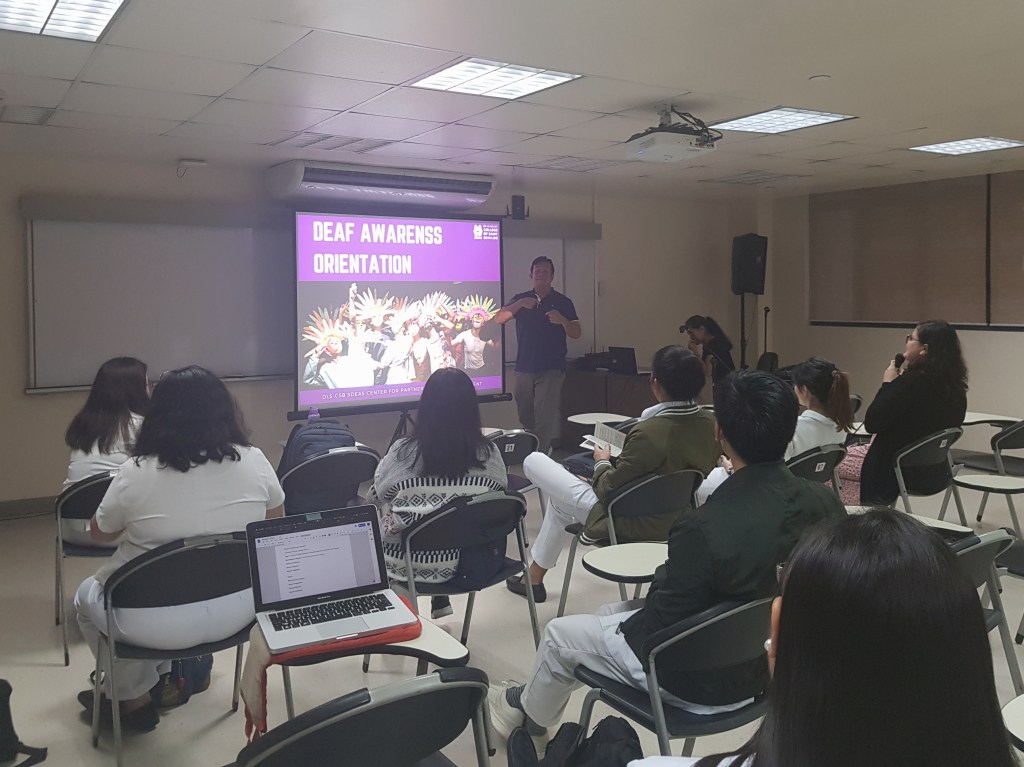
Learning the basics of FSL isn’t an entirely new concept. We’ve had one or two sessions in ASMPH back in the day. I even co-headed a one-week celebration of Filipino Sign Language Week with my organization IMBA.
.
Read here: Inclusive Healing: Filipino Sign Language Week 2018
But a two-hour session or an afternoon’s work isn’t really enough. It’s easy to forget the movements and the basics when there’re no conversations to be had. Even now, a few weeks after my first class, the lack of practice has me rusty. I can confidently go through some of the more basic phrases, but the more specific vocabulary (especially the medical ones) may have already escaped me.
Note to self: I need to review. Or I need to make more friends.
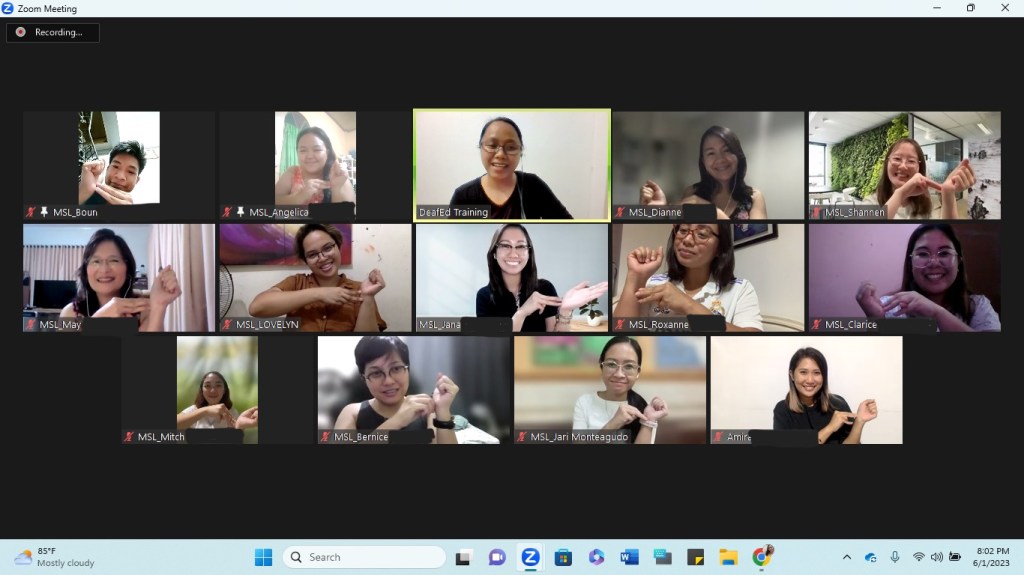
My classmates for MSL1 included other physicians, medical social workers, students in training, and occupational therapists. We were also part of a much bigger class with those taking ESL1, which included SPED teachers.
.
I highly encourage anyone with even a passing interest in Sign Language to take up a course! You can communicate at a distance, underwater, or in secret. The trainers are also all part of the Deaf community. Not only is sign language a good and versatile skill to have, but your enrollment in a paid course directly supports their advocacy as well.
Let’s make spaces more inclusive together.
Filipino Sign Language and Disability in the Philippines
As I mentioned, the third week of July is the National Disability Prevention and Rehabilitation Week in the Philippines. It culminates today, July 23rd, which also happens to be the birthdate of Apolinario Mabini, a national hero and known paralytic.
This year’s theme is “Persons with Disabilities Accessibility and Rights: Towards a Sustainable Future where No One is Left Behind”. I hope this theme sparks some sort of conversation or reflection at your home and work place. Would you say your office is accessible? Inclusive in its services? Are the changes sustainable or just a bandaid solution?
The past few weeks, I’ve been doing clinic work at Icasiano Health Center and Lying-in Clinic, a barangay health center somewhere in Manila. It’s only been very recently —as in, the last few months— that a lift was installed to accommodate PWDs and those with difficutly ambulating to the second floor. They had to install it to meet accreditation for national insurance purposes.
And accomodation or lack thereof is not always this overt… What sustainable changes are there to accommodate the blind? Those with psychosocial disabilities? Or the Deaf?
I’m suddenly reminded of Justina Miles, the ASL interpreter for Rihanna’s Super Bowl performance who went viral. Hopefully we might be only a few years away from that kind of inclusive entertainment. We see it already in most Filipino news and public affairs programs.
State hospitals and all health facilities shall take steps to ensure access of the Filipino deaf to health services, including the free provision of FSL interpreters and accessible materials upon request of deaf patients, or individuals who have family memebrs who are deaf.
Section 8 of RA 11106 (2018)
But we probably need several more years to get to free FSL interpreter services in our health facilities. One step at a time.
The art and business of supporting the Deaf community
Many local businesses employ persons with disabilities, including Elait artisan ice cream and Coffee Bean and Tea Leaf.

.
A quick google tells me that CBTL is partnered with Hand & Heart, a Quezon City-based NGO, in its mission to empower persons with disabilities by providing access to learning leadership, business, and other skills.
Do you know of any other businesses that support the Deaf community or other persons with disabilities? Hit me up and let’s support them together.
And finally —I’ve also been partly inspired to write up this blog post because I once again read a couple of pages from Ilya Kaminsky’s Deaf Republic: Poems. This 2019 collection is by Kaminsky, a USSR-born poet who also happens to be hard of hearing, is one of the most vivid books of poetry I’ve read in awhile. While it does follow a narrative, any piece can be picked up and appreciated for its almost violent? emotions in an era of warmongering and longing for peace.
The deaf don’t believe in silence. Silence is the invention of the hearing.
Ilya Kaminski, Deaf Republic: Poems (2019)
Until next time! ❤️
 jari m
Say something back.